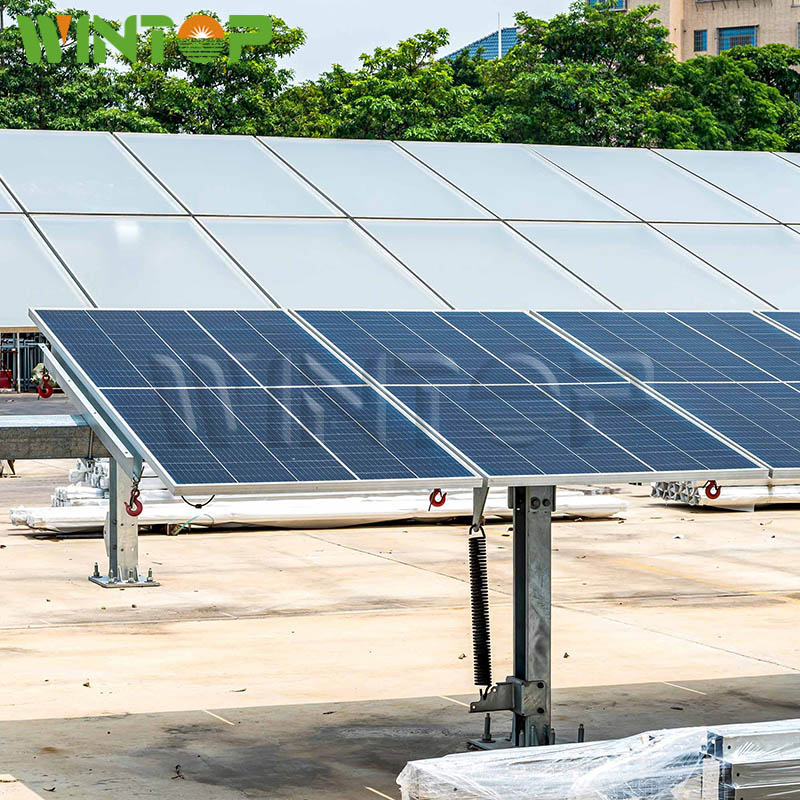
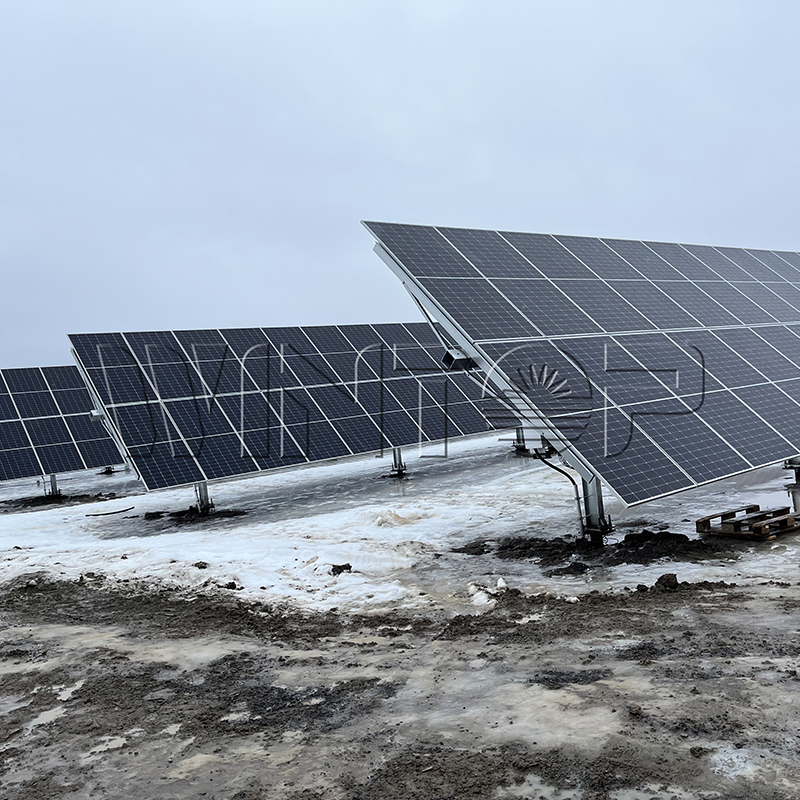
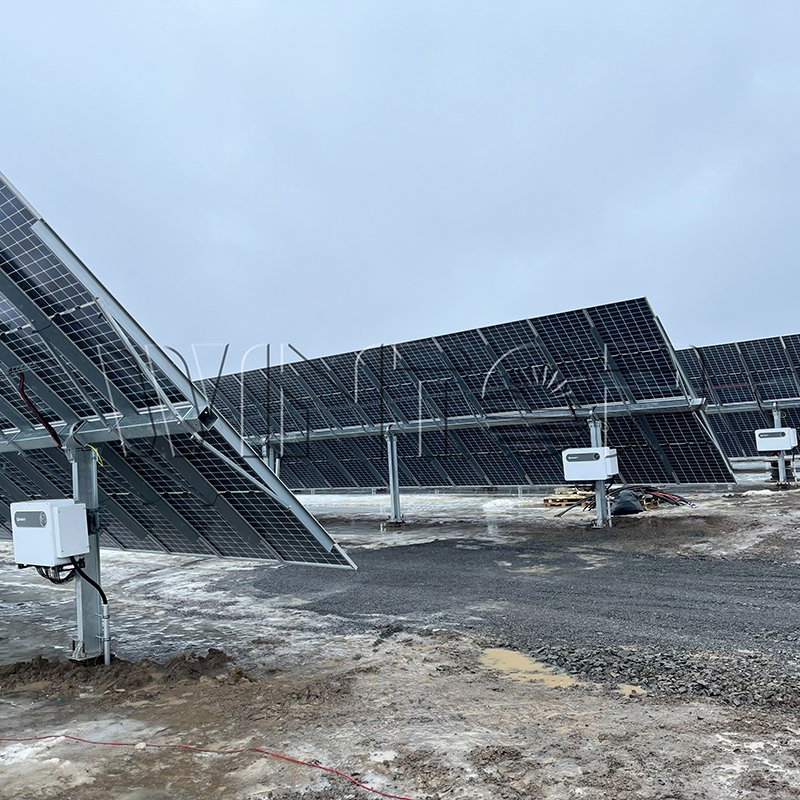
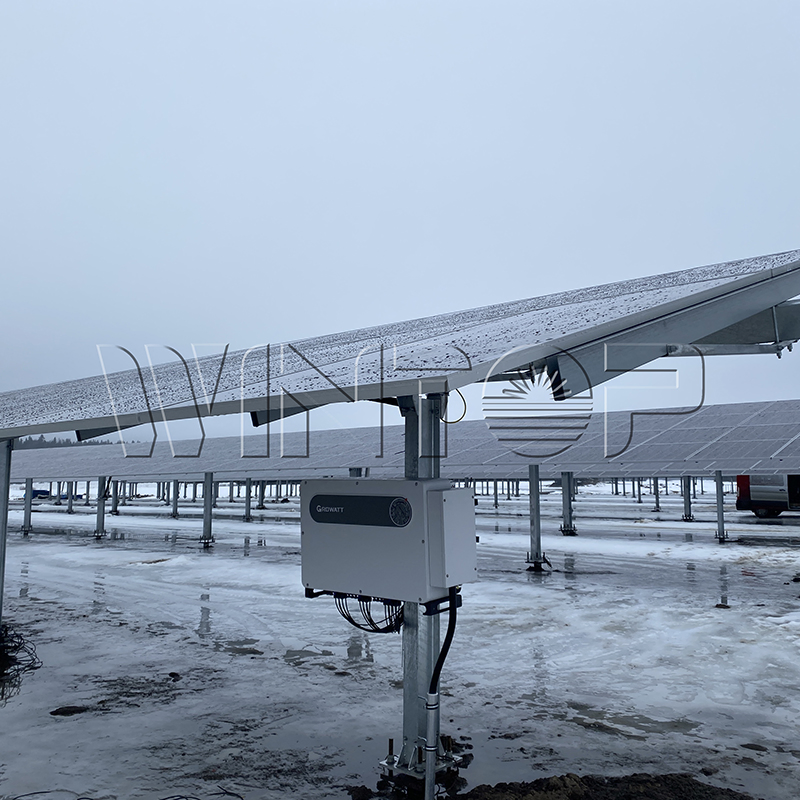
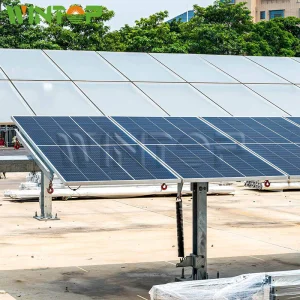
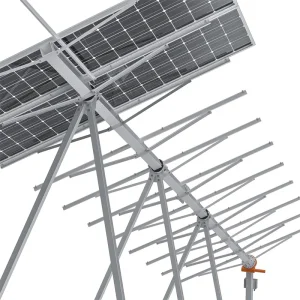
Single Axis Solar Tracker Bracket Kit

Still deciding? Get samples of $ !
Order Sample

Product Description

📊

Basic Info

Model NO.
WTT-2P
Certification
ISO, CE
Application
Commercial
Material
Aluminum Alloy
Type
Ground Bracket
Install Site
Open Terrain
Module Orientation
Landscape, Portrait
Max Wind Speed
60m/S
Max Snow Load
1.6kN/M²
Duration
More Than 20 Years
Production Capacity
1gw/Years
📦

Packaging & Delivery

Package Size
376.00cm * 366.00cm * 248.00cm
Package Gross Weight
500.000kg
📝

Product Description

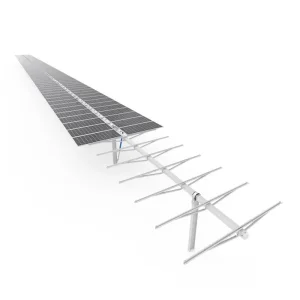
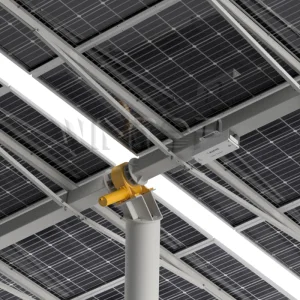
Single Axis Solar Tracker with Slew Drive

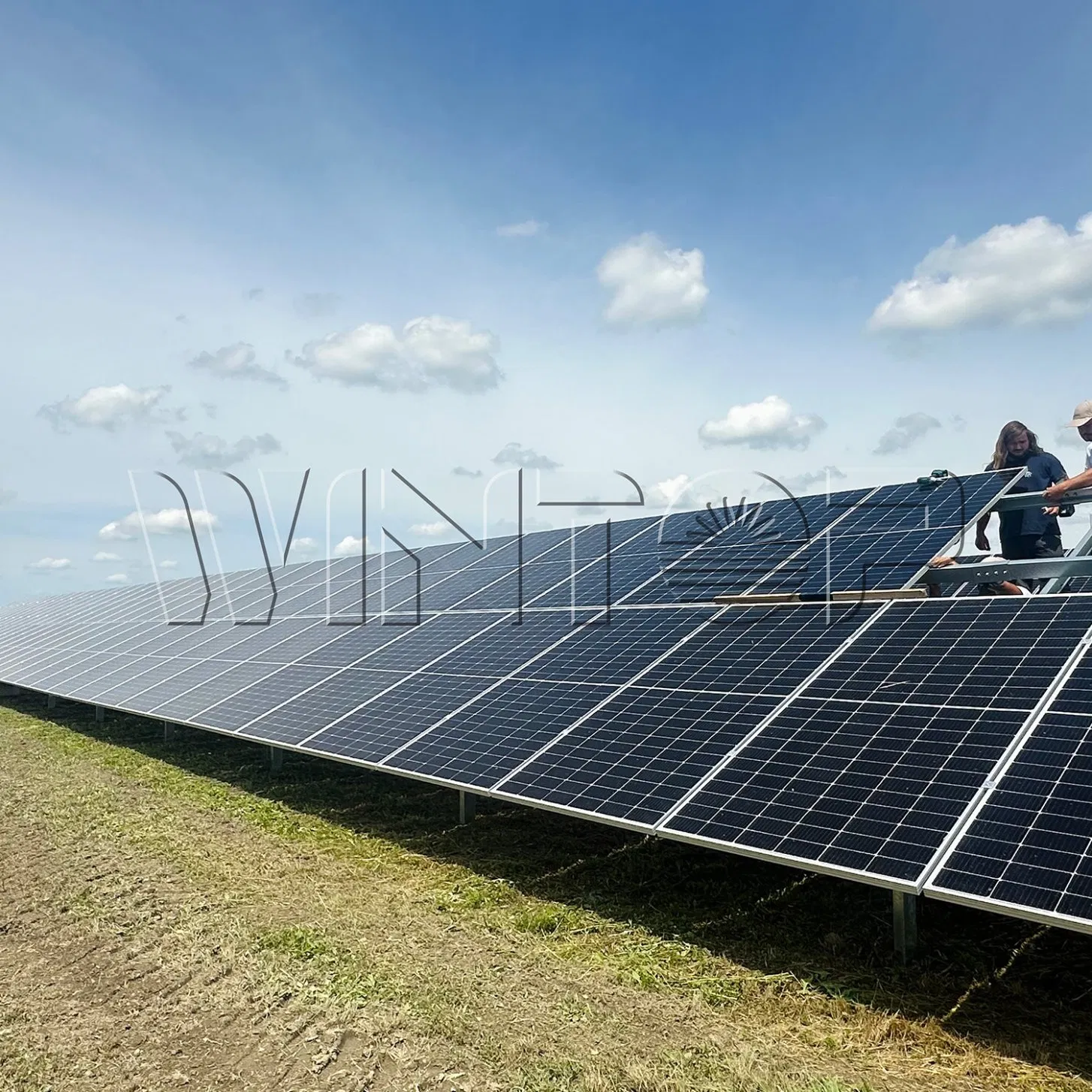
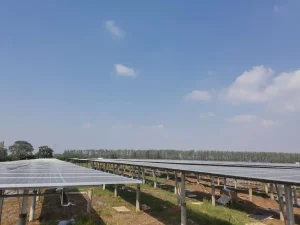
The solar tracking system is a system that optimizes the use of sunlight during the process of solar thermal and photovoltaic power generation to improve the efficiency of photoelectric conversion. This Multi-drive double portrait horizontal single-axis solar tracker adopts multi-actuator drive mode. This tracker system is quick and easy to install and operate, stable and reliable system, suitable for a variety of large-scale solar power stations.
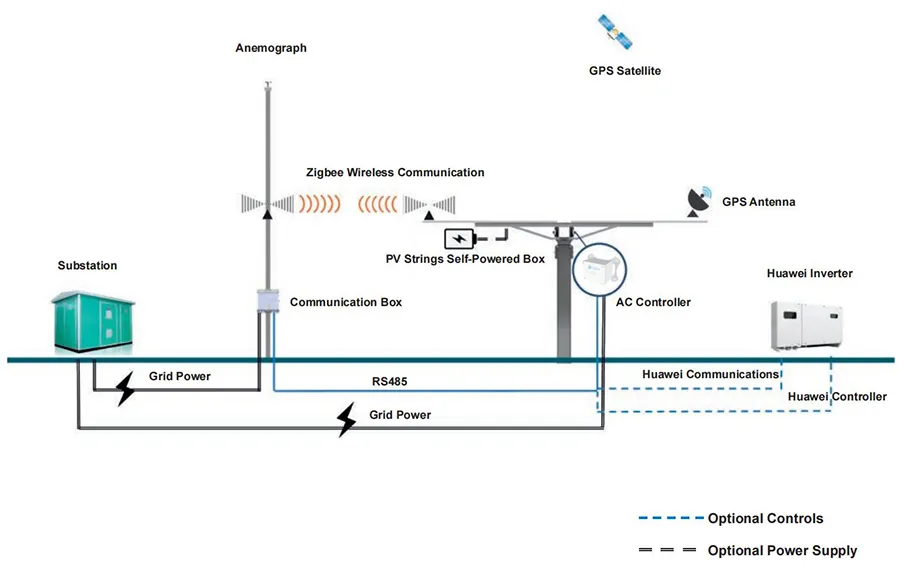
Electrical Principle
⚙️

Product Parameters

PV-Modules
PV- Modules supportedFully fit for 210 module
Structure
System typeOne portrait horizontal single-axis tracker
Maximum capacity per row72kWp (Estimated with 600W PV-Modules)
Tracking Range±60°(Customized according to project)
Tracking accuracy±1°
Structural MaterialsHDG Steel, Al- Mg-Zn Coating Steel
Electrical & Control
Solar tracking methodAstronomical algorithm + closed-loop control (AI)
Drive methodSlew Drive
Motor Type24V DC Motor
BacktrackingYes
Environment
Operating temperature-30°C ~ +60°C
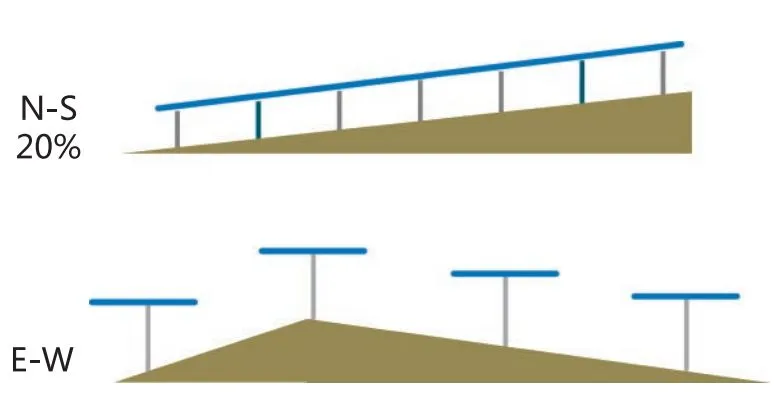
Slope toleranceNorth-south 10%~20%, East-west no limits

Features & Benefits

  • Fully fit for 210 module
  • Intelligent AI algorithm to improve power generation
  • Adaption to various terrains allowing a north-south slope up to 10% to 20%
  • Easy installation and easy maintenance
  • Stable and reliable operation
  • Power generation increasement of 15-30%
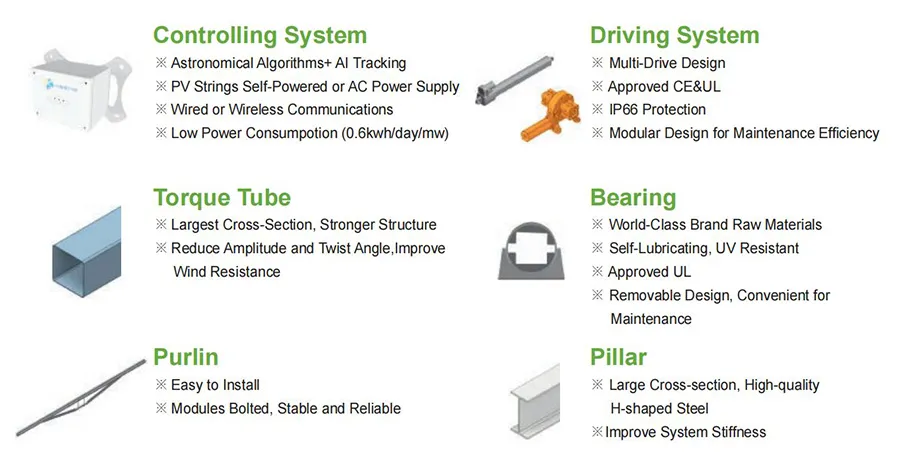
Main Structure components
🔬

CPP Wind Tunnel Test & Advantages

Combining the frequency and characteristics of damping ratio of the tracking system, study the resonance, flutter, gallop, torsional divergence and other results caused by aerodynamics, and analyze the influence and instability during the operation of the system.
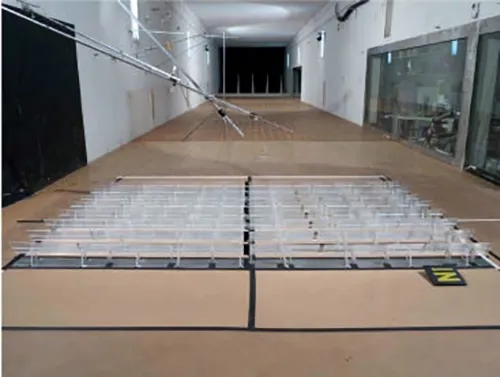
Wind Tunnel Test

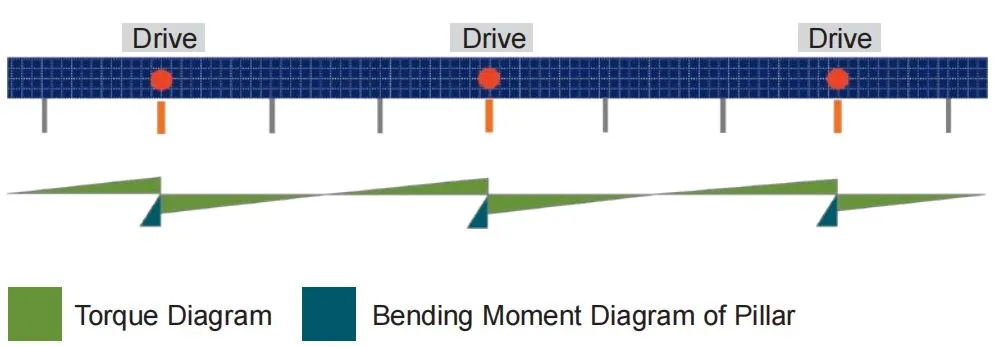
Multi-drive Solar Tracker Advantages:
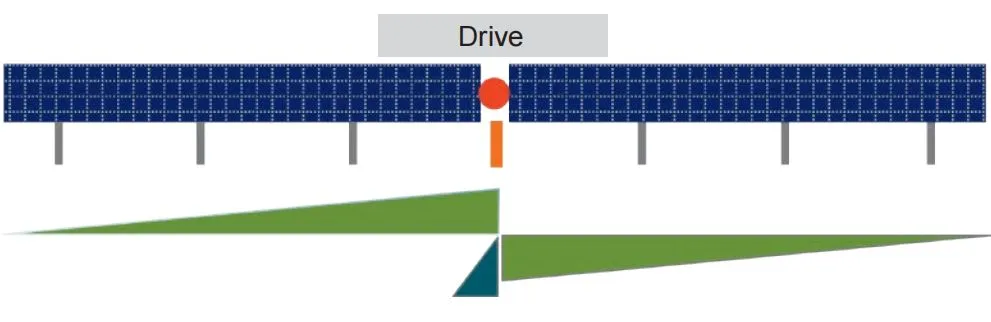
  • System Damping Ratio is greater
  • Reduce Amplitude on Modules by 50%
  • Reduce the Force on Torque Tube by 50%
  • Reduce the Force on Driving Pillar by 50%
  • Reduce Torsion Angle on Torque Tube by 50%
  • Optimize Wind Resistance System
Traditional System Multi-drive System
🌍

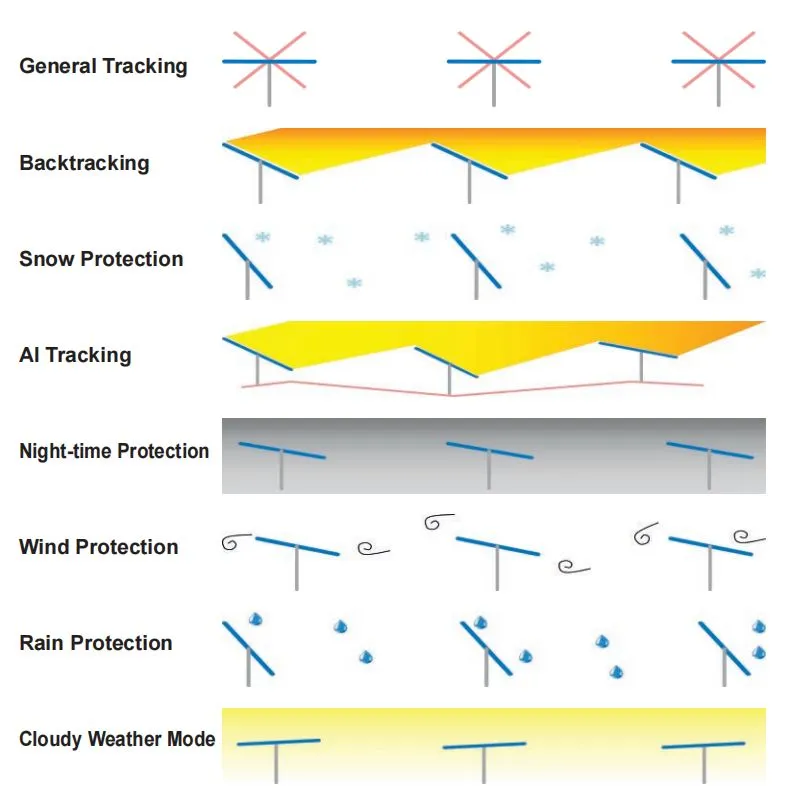
Operating Mode & Terrain Adaption

Operating Mode Terrain Adaption
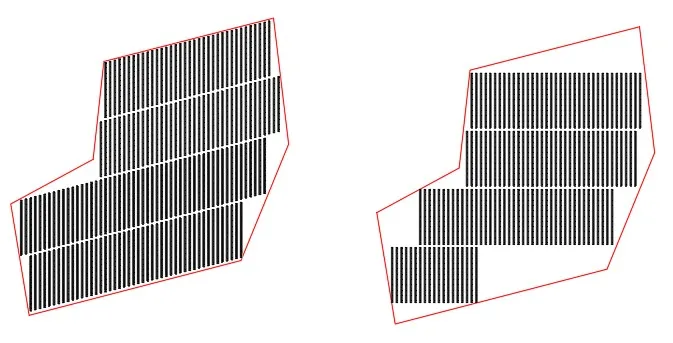
  • Flexible Layout: Fully Use Irregular Land, Improve Land Utilization
  • 20% N-S Slope & Unlimited E-W Slope
Land Utilization
🏗️

Foundation Options

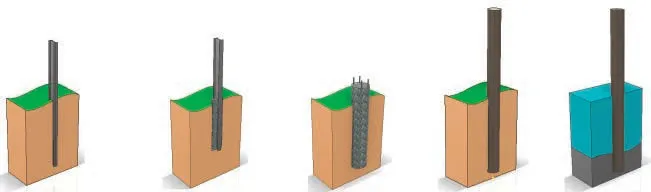
Type of Foundation Steel Piles Concrete with Steel Piles Poured Concrete Pile PHC Piles
Application Soft Ground Soft Ground Gravel Ground Agriculture/Fishery PV
Connection Method Direct Ramming Ramming + Concrete Anchor Bolt Connection Pile-Top Welding
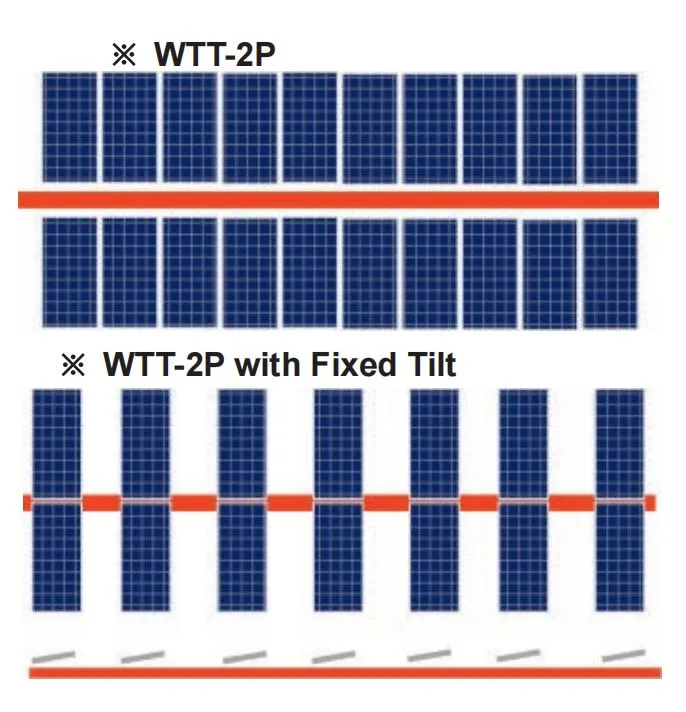
Foundation Types Modules Array Proposals
🏢

Project Gallery & Profile

Project Case

A high-tech enterprise that integrates R&D, production and marketing of Solar Mounting System for residential, commercial and utility scale customers since 2016.
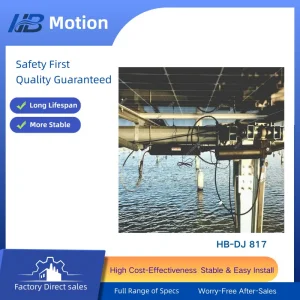
Company Facility

Frequently Asked Questions

How much can a single-axis tracker increase energy yield?
Typically, a single-axis solar tracker can increase power generation by 15% to 30% compared to fixed-tilt systems, depending on the location and environmental conditions.
Are your trackers compatible with large-format 210mm modules?
Yes, our tracking systems are fully optimized and designed to fit 210mm ultra-high power solar modules.
What is the maximum wind speed the tracker can withstand?
The system is designed to withstand wind speeds up to 60m/s, and it features an automatic stow mode that moves the panels to a horizontal position when high winds are detected.
Does the system require specialized tools for installation?
No, the structure is designed for easy installation and does not require specialized heavy machinery or proprietary tools in most standard scenarios.
How does the AI algorithm improve performance?
The intelligent AI algorithm uses astronomical data combined with real-time feedback to optimize the angle of the panels, reducing shading between rows and maximizing light absorption even on cloudy days.
What is the typical maintenance requirement?
The system is designed for high durability with a lifespan of over 20 years. Maintenance is minimal, primarily involving periodic inspections of the drive system and electronic controllers.

Related Products