Engineered to withstand the extreme relative humidity, high ambient temperatures, and coastal salt mist challenges of Malabo, Bata, and remote off-grid solar microgrids across Equatorial Guinea.
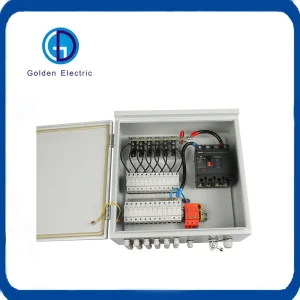
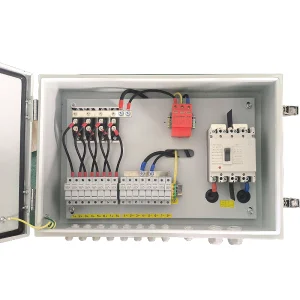
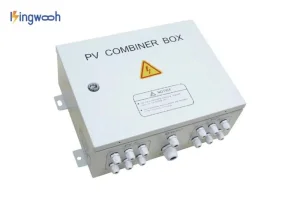
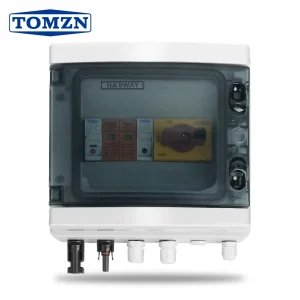
As Central Africa accelerates its energy transition, Equatorial Guinea is emerging as a focal point for robust renewable energy deployment. With a geographical distribution spanning Bioko Island (including the capital Malabo) and the mainland region of Rio Muni (with the major economic hub of Bata), the country presents unique meteorological and infrastructural scenarios. To successfully integrate solar photovoltaics (PV) into Equatorial Guinea's energy grid, engineering components must be designed for resilience. The PV combiner box sits at the critical interface of solar arrays and power conversion units, acting as the primary line of defense against electrical failure, thermal degradation, and tropical atmospheric threats.
Equatorial Guinea features an equatorial climate characterized by year-round high temperatures, high relative humidity (often exceeding 85%), and heavy rainfall. In coastal regions like Malabo and Bata, the atmosphere contains high concentrations of chloride ions (salt spray), which accelerate the corrosion of standard electrical components. Furthermore, the region experiences high lightning activity, requiring robust transient overvoltage protection systems.
Historically, the country relied heavily on natural gas and hydroelectric power. However, establishing stable grids across remote regions is challenging. Hybrid microgrids, which combine solar PV with energy storage and backup diesel generation, are increasingly used to power remote industrial zones, military facilities, and residential areas on Bioko Island. In these configurations, PV combiner boxes must withstand continuous operating temperatures above 50°C inside the enclosure, maintain IP65 or IP66 ingress protection, and handle voltage fluctuations from unstable grids.
For engineering, procurement, and construction (EPC) firms, selecting the right combiner box manufacturer requires evaluating the equipment's certification and material standards. Global procurement specifications for Equatorial Guinea projects focus on three main factors:
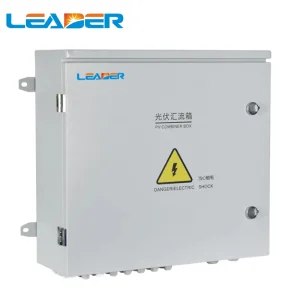
Climatic Adaptation: Ordinary steel enclosures can rust within months in tropical coastal areas. The industry standard has shifted toward UV-resistant polycarbonate, glass-fiber reinforced polyester (FRP), or 316L stainless steel enclosures. These materials resist UV degradation and corrosive elements, preventing degradation of internal components.
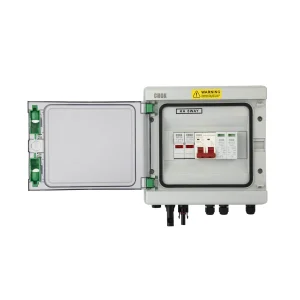
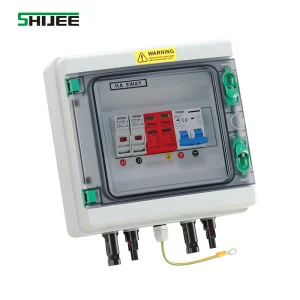
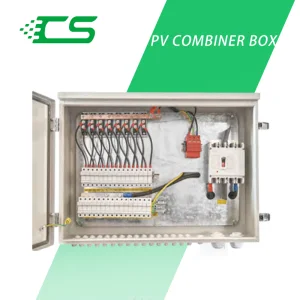
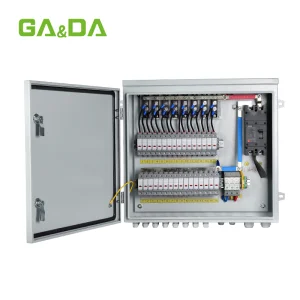
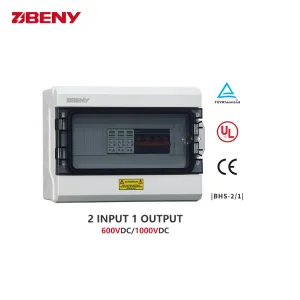
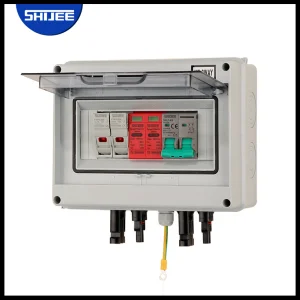
Overcurrent and Overvoltage Engineering: In regions with frequent lightning, combiner boxes must use high-rating Type 1+2 or Type 2 DC Surge Protective Devices (SPDs). These devices must handle discharge currents ($I_{imp}$) of up to 12.5 kA per pole to protect down-grid inverters. Input channels must also feature gPV-rated DC fuses on both positive and negative poles to isolate faulty strings and prevent reverse current issues.
Compliance and Grid Safety: Projects funded by international bodies require compliance with IEC 61439-2 (low-voltage switchgear and controlgear assemblies) and CE/TUV certifications. RayBoost Solar addresses these requirements by building systems to internationally recognized standards, facilitating project approvals.
The global PV industry is moving from 1000V DC architectures to 1500V DC designs. This change allows for longer string configurations, which can reduce DC cabling costs, combiner box quantities, and overall installation labor. RayBoost Solar's 1500V combiner boxes utilize specialized touch-safe fuse holders, high-breaking capacity DC circuit breakers, and advanced heat dissipation paths to handle the increased thermal stresses of 1500V systems.
Installing solar equipment in Equatorial Guinea requires robust after-sales support and reliable quality control from manufacturers. RayBoost Solar addresses these requirements through a structured process:
Custom Pre-Sales Consultation: RayBoost Solar requires site dimensions, local climate data, and photographs before finalizing orders. This allows our technical team to tailor parameters such as venting configurations, SPD ratings, and cable gland sizes to local conditions.
Advanced Production Technology: RayBoost's manufacturing facility uses automated assembly and testing machinery sourced from Italy and Japan. This automation ensures high precision in wiring connections, component torque settings, and seal placement, reducing the risk of water ingress or loose contacts in the field.
Comprehensive Logistics and Documentation: Shipments to ports in Bata or Malabo are supplied with complete technical documentation, including wiring schematics, certificate copies, and step-by-step installation guides to facilitate local deployment.
Hangzhou RayBoost Solar Co., Ltd. is a professional manufacturer specializing in solar energy solutions, supported by advanced testing facilities and strong technical expertise. Located in Hangzhou, just about 50 minutes by high-speed train from Shanghai Airport, the company benefits from convenient transportation and a well-developed industrial environment, enabling efficient service for global customers.
RayBoost Solar is dedicated to providing comprehensive one-stop solar energy solutions to clients worldwide. The company’s business covers portable power stations, hybrid solar inverter systems for both on-grid and off-grid applications, energy storage systems, as well as integrated energy solutions for industrial, commercial, and residential use, including balcony solar systems. With its own manufacturing facilities, RayBoost Solar produces key components such as lithium batteries, solar inverters, portable power stations, and complete solar system combinations, ensuring reliable quality and supply chain control.
To maintain high standards, the company has introduced advanced automated production equipment from Italy and Japan. Combined with an experienced research and development team, RayBoost Solar continuously improves product performance, durability, and intelligent energy management capabilities, meeting the evolving demands of the global renewable energy market.
In terms of service, RayBoost Solar offers a full-process solution covering system design, production, sales, and after-sales support. Each project is customized according to the specific installation conditions. Before order confirmation, customers are required to provide site dimensions and photos, allowing the company to deliver accurate and optimized system solutions. While installation services are not included, detailed guidance and technical support are provided to ensure smooth project implementation.
Quality is a core priority at RayBoost Solar. All products undergo strict testing procedures and comply with international standards, ensuring safety, reliability, and long service life. Backed by solid manufacturing capabilities and a comprehensive quality control system, the company has built a strong reputation among its global partners.
Looking ahead, RayBoost Solar is committed to promoting clean and sustainable energy worldwide. By delivering innovative, efficient, and environmentally friendly solar solutions, the company aims to become a trusted long-term partner for customers across different markets. Visitors and partners from around the world are warmly welcomed to collaborate and achieve mutually beneficial growth.
Common technical queries answered by our senior engineering team regarding project design in tropical Africa.
Explore our full line of distribution, protection, and junction solutions designed for residential, commercial, and utility-scale solar projects.
 RayBoost Solar