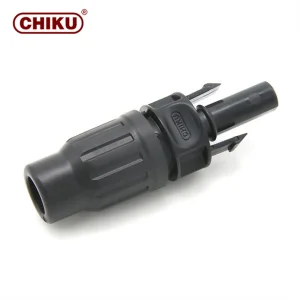
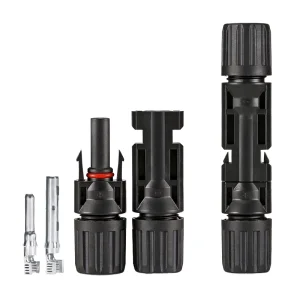
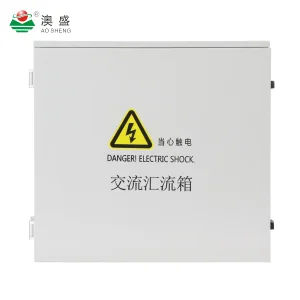
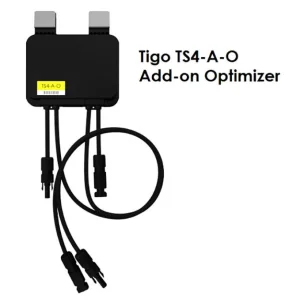
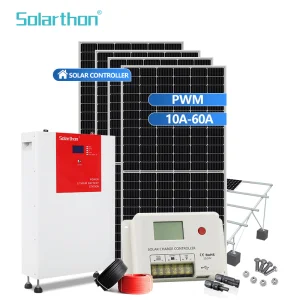
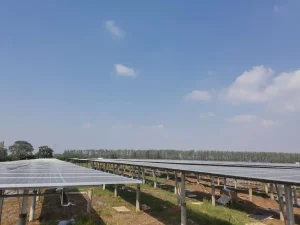
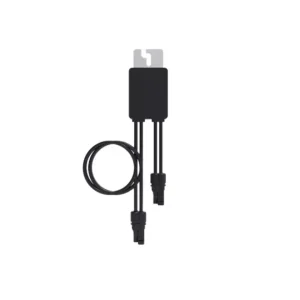
Explore our certified product matrix designed to integrate seamlessly with high-capacity thermal storage tanks, PV microgrids, and intelligent balance-of-system (BOS) electrical architectures.
As the global energy paradigm rapidly shifts toward decarbonization and fluctuating renewable energy sources, energy storage has become the cornerstone of grid stability and industrial thermal dynamics. While electrochemical battery storage garners significant consumer media attention, Thermal Energy Storage (TES) utilizing engineered thermal storage tanks represents the most cost-effective, long-lifespan, and thermodynamically efficient method for balancing industrial heating, cooling, and power generation demands worldwide.
Thermal storage tanks act as physical energy buffers, capturing excess thermal or electrical energy during off-peak periods or peak solar irradiance and dispatching it during peak demand intervals. According to recent industrial energy audits, integration of high-stratification thermal buffer vessels reduces Levelized Cost of Energy (LCOE) by up to 38% in combined cooling, heating, and power (CCHP) infrastructure.
Utilizing high-density pressurized hot water or chilled water medium, sensible heat vessels leverage precision thermal stratification splitters. They deliver maximum volumetric thermal density for district energy heating, residential heat pumps, and HVAC peak load shifting.
Integrating specialized organic or inorganic phase change materials inside encapsulated modules within the pressure vessel. PCM technology allows near-isothermal latent heat storage with up to 4x higher volumetric energy storage capacity than standard water tanks.
Designed for utility-scale Concentrated Solar Power (CSP) and high-temperature industrial process heat (IPH). Engineered with dual-wall stainless steel alloys capable of operating safely at elevated temperatures exceeding 550°C with minimal standby loss.
Hangzhou RayBoost Solar Co., Ltd. is a professional manufacturer specializing in solar energy solutions and industrial energy management systems, supported by advanced testing facilities and strong technical expertise. Located in Hangzhou, just about 50 minutes by high-speed train from Shanghai Airport, the company benefits from convenient transportation and a well-developed industrial environment, enabling efficient service for global customers.
RayBoost Solar is dedicated to providing comprehensive one-stop solar energy solutions to clients worldwide. The company’s business covers portable power stations, hybrid solar inverter systems for both on-grid and off-grid applications, thermal and electrical energy storage systems, as well as integrated energy solutions for industrial, commercial, and residential use, including balcony solar systems.
With its own state-of-the-art manufacturing facilities, RayBoost Solar produces key components such as lithium batteries, solar inverters, thermal buffer vessels, portable power stations, and complete solar system combinations, ensuring reliable quality and supply chain control.
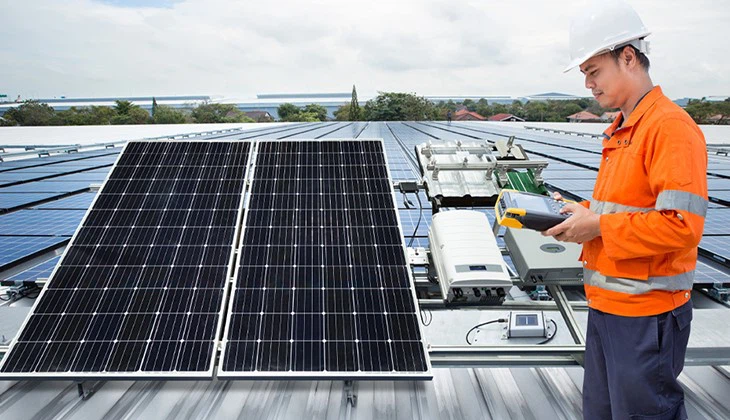
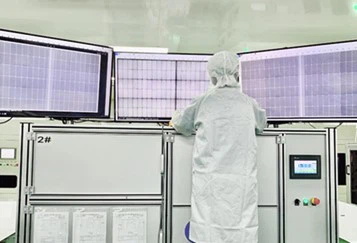
To maintain high standards, the company has introduced advanced automated production equipment from Italy and Japan. Combined with an experienced research and development team, RayBoost Solar continuously improves product performance, durability, and intelligent energy management capabilities, meeting the evolving demands of the global renewable energy market.
In terms of service, RayBoost Solar offers a full-process solution covering system design, production, sales, and after-sales support. Each project is customized according to the specific installation conditions. Before order confirmation, customers are required to provide site dimensions and photos, allowing the company to deliver accurate and optimized system solutions. While installation services are not included, detailed guidance and technical support are provided to ensure smooth project implementation.
Quality is a core priority at RayBoost Solar. All products undergo strict testing procedures and comply with international standards, ensuring safety, reliability, and long service life. Backed by solid manufacturing capabilities and a comprehensive quality control system, the company has built a strong reputation among its global partners. Looking ahead, RayBoost Solar is committed to promoting clean and sustainable energy worldwide.
As international EPC contractors, municipal engineers, and commercial facility developers procure thermal storage tanks and PV integrated balance-of-plant hardware, China’s manufacturing ecosystem provides unmatched structural advantages. RayBoost Solar leverages the robust industrial cluster of the Yangtze River Delta, combining high raw material supply chain density with cutting-edge automated fabrication.
Utilizing Japanese robotic submerged arc welding (SAW) and Italian automated TIG seam welders, our pressure vessel inner shells exhibit zero-defect grain alignment, passing 100% X-ray radiographic weld inspection and hydro-pressure testing at 1.5x working pressure.
We deploy high-density cyclopentane-blown polyurethane foam insulation (50mm to 150mm depth) infused under vacuum-assisted pressure. This achieves ultra-low thermal conductivity (≤0.022 W/m·K), reducing continuous static thermal heat loss to less than 1.2°C per 24 hours.
Tanks are treated with high-durability vitreous enamel porcelain lining, food-grade SUS316L stainless steel interior jackets, or heavy-duty epoxy ceramic coatings, guaranteeing resistance against aggressive water chemistries, chloride pitting, and scaling up to 95°C operational temperatures.
Thermal storage tanks and solar thermal/PV energy management equipment must adapt seamlessly to distinct regional climatic profiles, regulatory mandates, and operational loads. Below is an engineering overview of deployment configurations across major global markets:
Challenge: Soaring peak electrical demand tariffs during summer afternoon cooling surges.
Solution: Large-capacity chilled thermal storage (TES) buffer tanks integrated with smart dynamic solar optimization. Cold thermal energy is generated during low-cost night hours and dispatched during peak daytime tariff spikes, reducing chiller electrical demand by up to 45%.
Challenge: Heavy boiler diesel fuel consumption in textile, food processing, and chemical processing facilities.
Solution: Pressurized solar thermal storage tanks coupled with high-efficiency PV arrays. The system preheats boiler feed water from 25°C to 85°C, yielding massive fuel savings and direct carbon reduction credits.
Challenge: Intermittent biomass and waste-to-energy heat generation fluctuating against severe winter residential heating loads.
Solution: Multi-megawatt atmospheric stratification thermal storage vessels (up to 50,000 m³ volume) equipped with hydraulic disrupters, smoothing out peak heating loads and stabilizing municipal grid temperatures.
Challenge: Extreme ambient temperatures causing solar PV efficiency drops and high remote fuel transport costs.
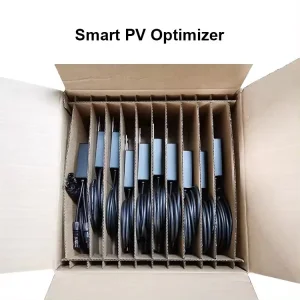
Solution: Integrated hybrid microgrid containing RayBoost solar optimizers, high-efficiency PV strings, and thermal storage tanks to power localized cold storage and agricultural processing plants 24/7 without diesel generators.
The thermal energy storage industry is undergoing a massive transformation driven by digitalization, predictive AI modeling, and advanced metallurgy. Modern enterprise procurement is shifting away from standalone inert vessels toward Intelligent Thermal Energy Assets equipped with IoT telemetry and machine learning controls.
Next-generation tanks embed fiber-optic temperature array sensors along their vertical axis. Algorithms predict weather changes, dynamic spot-market electricity pricing, and building thermal consumption to schedule optimal charge/discharge cycles automatically.
By combining hybrid PVT panels with insulated thermal buffer tanks and module optimizers, clean energy facilities simultaneously harvest electrical power from the sun while capturing excess thermal energy from panel cooling, pushing total system solar conversion efficiency above 75%.
Leading OEMs are transitioning to eco-friendly zero-ODP (Ozone Depletion Potential) insulation blowing agents and 100% recyclable structural steel shell materials, ensuring low embedded carbon footprint throughout the product life cycle.
When specifying industrial-grade thermal storage tanks and supporting solar balance-of-system electrical gear, engineering procurement leads must evaluate key structural, thermodynamic, and mechanical parameters. The table below highlights engineering standards enforced across RayBoost manufacturing lines:
| Engineering Parameter | Standard Commercial Grade | RayBoost Industrial Grade TES | Impact on System Performance |
|---|---|---|---|
| Inner Shell Vessel Material | Carbon Steel Q235B / SUS304 | SUS316L / Enamel Lined Pressure Steel | Prevents corrosion pitting; extends tank service life up to 30+ years. |
| Insulation Material & Thickness | 50mm Glass Wool / Standard EPS | 100mm High-Density Polyurethane (PUR) | Reduces continuous heat loss rate to ≤ 1.2°C per 24 hours. |
| Operating Pressure Rating | 0.3 MPa - 0.6 MPa | 0.6 MPa - 1.6 MPa (Customizable) | Supports high-head commercial HVAC and high-temperature pressurized solar systems. |
| Thermal Stratification Tech | Basic Pipe Diffuser | Multi-Stage Computational Hydraulic Stratifiers | Maintains sharp boundary thermocline; increases thermal extraction yield by 22%. |
| Quality Certification Compliance | Basic Regional Approvals | TUV, CE, ISO9001, ASME Section VIII | Ensures smooth customs clearance and compliance with international code audits. |
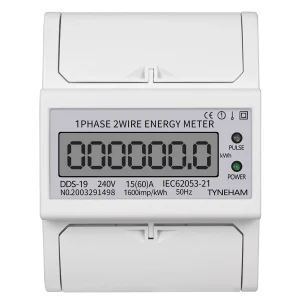
| Integrated Smart Telemetry | Manual Thermometer Dial | RS485 / Modbus IoT Sensors & Smart Power Meters | Enables remote monitoring, automated fault detection, and AI dispatch management. |
Got technical questions regarding thermal tank sizing, solar PV optimization, or factory order procedures? Review our expert engineering answers below:
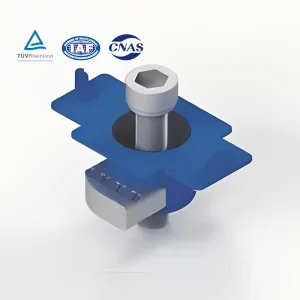
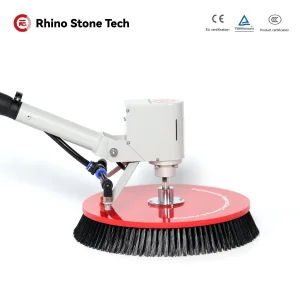
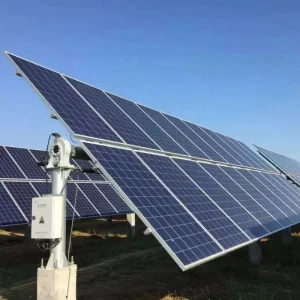
Complete your clean energy deployment with certified hardware components, precision tracking brackets, power optimizers, and automated maintenance equipment engineered by RayBoost Solar.

 RayBoost Solar