Explore our architectural-grade photovoltaic mounts, smart monitoring instrumentation, and structural connection components designed for modern decarbonized building skins.
The transition toward Net-Zero Carbon Buildings (NZCB) is no longer a voluntary CSR initiative; it is a regulatory imperative. Key mandates like the EU Energy Performance of Buildings Directive (EPBD) require all new structures to be zero-emission by 2030. Similarly, the United States Inflation Reduction Act (IRA) and China’s 3060 Dual-Carbon Targets offer immense incentives for the integration of carbon-offsetting construction systems.
Modern architectural specifications demand a holistic assessment of a building’s life cycle. While insulation and double glazing minimize operational carbon, integrating dynamic power generation directly into structural substrates (BIPV) actively drives down both operational and embodied carbon footprint, turning passive envelopes into energy assets.
Low-carbon aluminum alloys (such as AL6005-T5), high-durability polymers (PPO), and smart grid monitoring components are replacing traditional carbon-heavy materials. Sustainable construction relies on localized, modular components that reduce transport emissions and allow for circular recyclability upon building decommissioning.
As a global leader in high-performance solar infrastructure, Hangzhou RayBoost Solar Co., Ltd. serves as a crucial partner in the sustainable building sector. Supported by advanced testing facilities and deep technical expertise, we manufacture and supply specialized materials engineered to withstand rigorous structural and electrical conditions.
Strategically located in Hangzhou—just 50 minutes by high-speed train from Shanghai Airport—our facility operates within a world-class industrial cluster. This proximity guarantees responsive supply chains, rapid logistics, and seamless communications for municipal, industrial, and commercial building contractors globally.
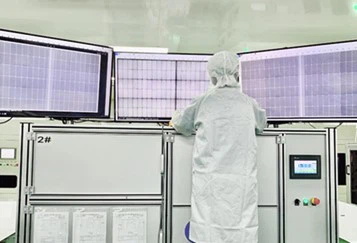
To maintain structural integrity and exact electrical performance, our manufacturing processes utilize advanced automated production equipment imported from Italy and Japan. Our dedicated R&D division constantly refines raw material durability, intelligent grid communication interfaces, and weather-proof safety structures.
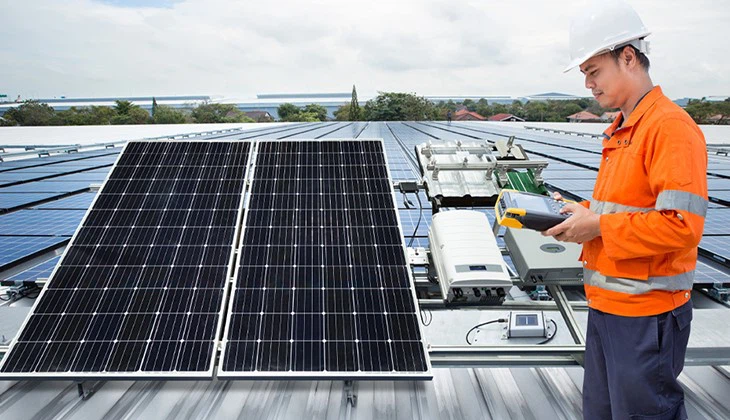
Every building is a unique ecological system. RayBoost Solar offers a full-process service spanning system simulation, material optimization, custom extrusion, and comprehensive after-sales technical support.
To ensure zero deviation during site assembly, our engineering department requires detailed site dimensions and physical layout photos prior to order confirmation. This allows us to perform Finite Element Analysis (FEA) and electrical load calculation modeling, providing a customized, structural-grade solution matching your specific local wind, snow, and seismic criteria.
Aligning active building skins with digital grid interfaces. How the materials of today are adapting to the artificial intelligence and carbon-neutral ecosystems of tomorrow.
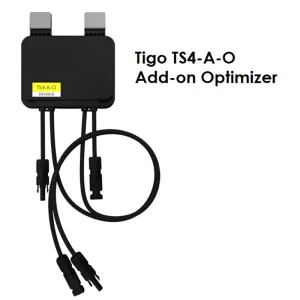
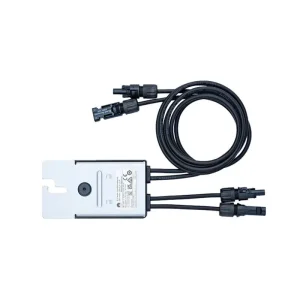
Deployment of structural-grade zinc-aluminum-magnesium alloy mounts and BIPV profiles. Standardizing rapid-shutdown safety mechanisms at the module level using IoT-connected optimizers to meet international building safety guidelines.
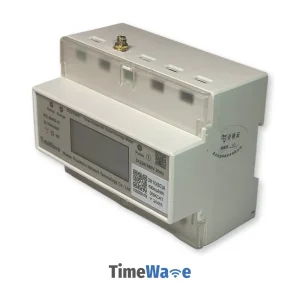
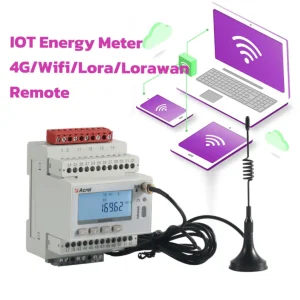
Integration of multi-protocol communications (LoRaWAN, 4G, 5G, Wi-Fi) directly inside multi-phase DIN-Rail meters and micro-inverters. The building envelope actively communicates with utility microgrids to balance demand-response loads.
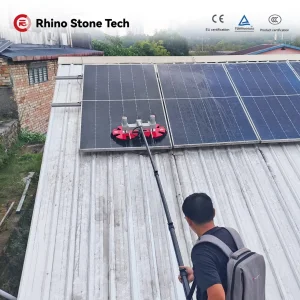
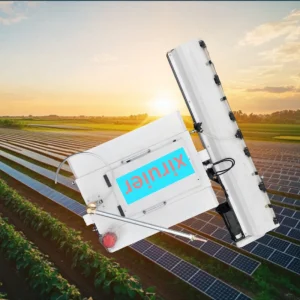
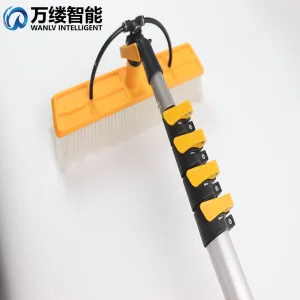
Widespread implementation of dry-cleaning crawler robots controlled by local weather intelligence nodes. Complete elimination of dust/soiling losses, increasing lifetime energy yields of structural BIPV facades by up to 25% with zero water footprint.
Modern urban commercial centers use our structural W-type mountings and custom tracking mechanisms on rooftops and vertical envelopes. Managed via multi-protocol DIN-Rail meters, these systems offset internal HVAC dynamic loads while qualifying for LEED Platinum and BREEAM certifications.
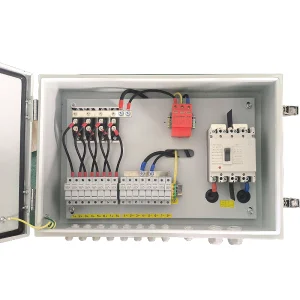
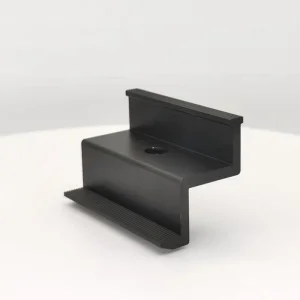
By combining light-weight aluminum mounts with 1500V DC smart PV combiner boxes and heavy-duty cabling, we enable logistics centers to deploy massive rooftop solar structures safely. Integrators utilize smart optimizers to safeguard high-density inventory environments from potential fire hazards.
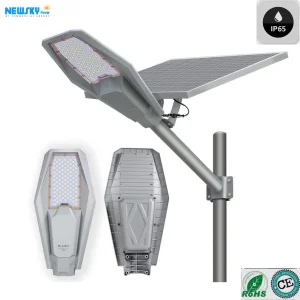
Decentralized solar street lighting systems paired with modular balcony solar micro-inverter storage kits optimize residential carbon ratings. Automated smart sub-metering lets communities transition into unified local energy trading cooperatives (P2P power).
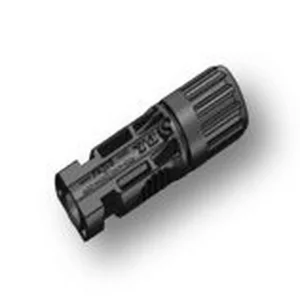
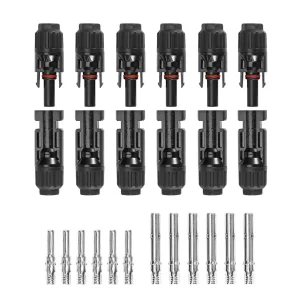
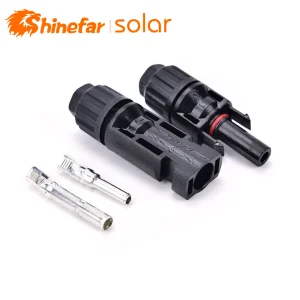
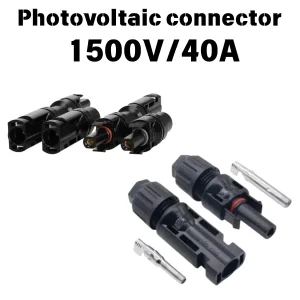
Coastal Areas (Southeast Asia, Caribbean): Specifying marine-grade anodized aluminum alloys alongside IP68-rated heavy-duty MC4 connectors with tin-plated copper cores. This prevents galvanic corrosion and micro-leakage caused by persistent humidity and high atmospheric salt levels.
Middle East & North Africa (MENA): Featuring automatic robotic cleaning equipment that runs without water to mitigate high soiling loss. High-temperature-resistant solar cables and UV-stabilized PPO connector housings resist extreme solar irradiation and thermal degradation.
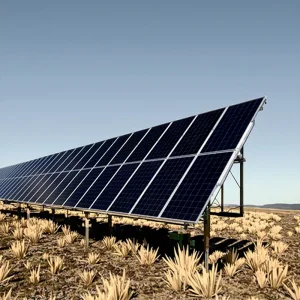
North America & Northern Europe: Deploying structural W-type fixed mount structures featuring reinforced bracing. Optimizers are integrated directly behind panels to comply with local rapid shutdown standards (NEC 2020/2023) and ensure emergency-response safety.
Direct technical insights for structural engineers, project specifiers, and procurement directors looking to optimize green building performance metrics.
Discover our industrial connectors, automated tracking structures, and specialized cleaning equipment engineered for long-term project performance.
 RayBoost Solar