High-precision smart meters, MPPT charge controllers, and rugged IP67 connectivity systems for outdoor environmental telemetry.
The global landscape of Environmental Monitoring Systems (EMS) is undergoing a massive paradigm shift. Driven by rigorous international climate treaties, strict ESG (Environmental, Social, and Governance) corporate policies, and the rapid deployment of the Internet of Things (IoT), modern monitoring stations have evolved from simple manual logging devices to fully autonomous, real-time sensing networks. Modern environmental engineering demands continuous telemetry across air quality networks, meteorological parameters, hydrological tracking, and industrial carbon emissions.
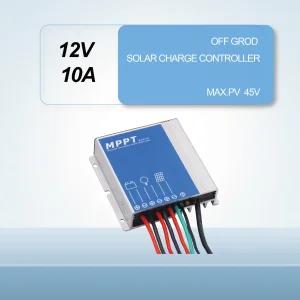
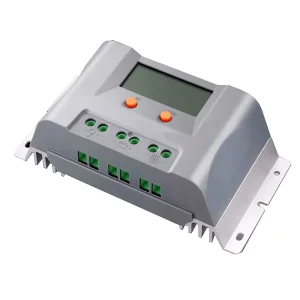
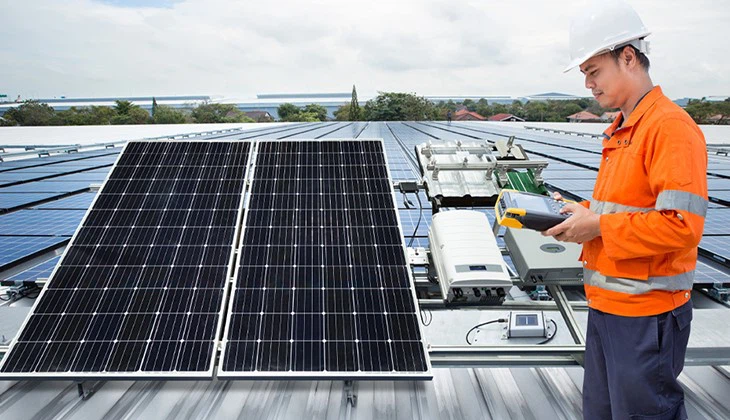
To maintain continuous operation in remote or hostile environments, environmental monitoring installations are increasingly integrating localized off-grid energy platforms. Modern telemetry nodes now rely heavily on intelligent photovoltaic arrays, high-efficiency solar charge controllers, smart battery management units, and robust IP-rated electrical components to guarantee uninterrupted utility under extreme weather patterns. RayBoost Solar’s collection of advanced controllers and connectivity solutions represent this trend, ensuring that critical data pipelines remain uninterrupted by power fluctuations.
Furthermore, AI-driven edge computing is transitioning standard telemetry into predictive forecasting. Modern sensors process raw ambient data locally, filtering anomalies before sending telemetry payloads via IoT networks. This decentralized data architecture demands absolute electrical safety, clean signal transmission, and smart energy optimization across the system’s electrical core.
Global enterprise buyers, municipal developers, and engineering, procurement, and construction (EPC) contractors require maximum reliability and strict compliance when sourcing environmental monitoring components. The integrity of collected metrics relies entirely on the continuous uptime of the sensing nodes, which in turn depends on the resilience of the supporting electrical and photovoltaic infrastructure. Procurement guidelines prioritize several key parameters:
By addressing these stringent specifications, procurement professionals reduce the Total Cost of Ownership (TCO) and mitigate risk, preventing telemetry failures in the field.
The manufacturing landscape in China has transitioned from high-volume production to precision engineering through Factory 4.0 principles. Modern Chinese facilities leverage high-end automated assembly lines imported from Italy and Japan, combining them with regional industrial clusters. This integration provides significant advantages for global purchasers:
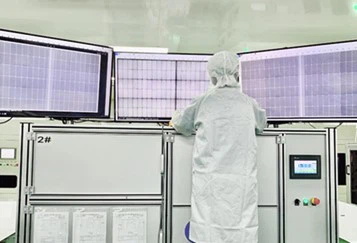
1. Robotic Automation & Testing: Advanced robotics ensure sub-millimeter precision in solar module frames, cable extrusions, and PCB assemblies for MPPT solar controllers. Automatic testing systems validate every component before dispatch, minimizing field failure rates.
2. Strategic Logistics Hubs: Positioned in East China industrial clusters like Hangzhou—just 50 minutes via high-speed rail from Shanghai Airport—facilities enjoy seamless access to global deepwater shipping lanes and international cargo hubs. This ensures shorter lead times and optimized container freight logistics.
3. Vertical Integration: From raw copper drawing for solar cables to the assembly of smart energy meters and lithium batteries, China's end-to-end supply chain minimizes external reliance, protecting buyers from geopolitical and logistical shocks.
Across the Americas, Europe, and the Asia-Pacific region, heavy industries are mandated to report carbon footprints and manage localized ecological impacts. In these environments, environmental monitoring systems are deployed in diverse configurations:
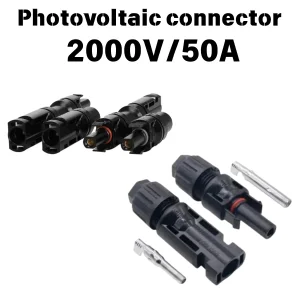
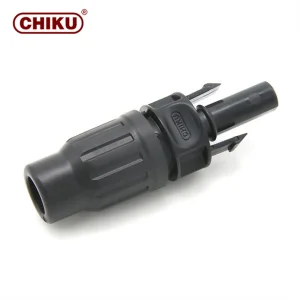
Coastal and Offshore Telemetry: High humidity and saline environments pose corrosive threats to electrical arrays. The deployment of IP67 waterproof solar connectors and heavy-duty, corrosion-resistant DC cables prevents moisture ingress and ensures long-term operational integrity.
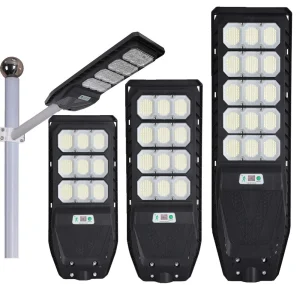
Smart Cities and Urban Grid Integration: Municipal environmental nodes track air pollution, traffic density, and microclimate variations. Using smart meters and localized solar street lighting cameras ensures these sensors operate independently of grid disruptions, contributing to overall grid stability.
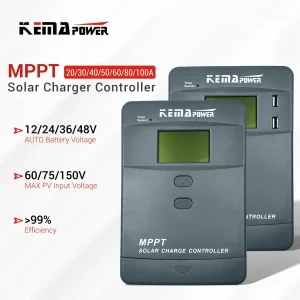
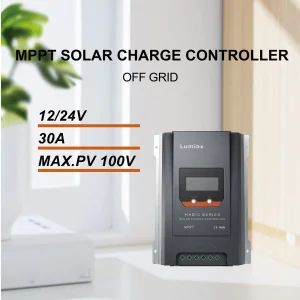
Agricultural Micro-Climate Monitoring: Large-scale farming operations use sensor grids to optimize irrigation and soil health. Here, cost-effective and portable MPPT solar controllers paired with LiFePO4 battery storage supply continuous, low-voltage DC power to monitoring probes.
Hangzhou RayBoost Solar Co., Ltd. is a professional manufacturer specializing in solar energy solutions, supported by advanced testing facilities and strong technical expertise. Located in Hangzhou, just about 50 minutes by high-speed train from Shanghai Airport, the company benefits from convenient transportation and a well-developed industrial environment, enabling efficient service for global customers.
RayBoost Solar is dedicated to providing comprehensive one-stop solar energy solutions to clients worldwide. The company’s business covers portable power stations, hybrid solar inverter systems for both on-grid and off-grid applications, energy storage systems, as well as integrated energy solutions for industrial, commercial, and residential use, including balcony solar systems. With its own manufacturing facilities, RayBoost Solar produces key components such as lithium batteries, solar inverters, portable power stations, and complete solar system combinations, ensuring reliable quality and supply chain control.
To maintain high standards, the company has introduced advanced automated production equipment from Italy and Japan. Combined with an experienced research and development team, RayBoost Solar continuously improves product performance, durability, and intelligent energy management capabilities, meeting the evolving demands of the global renewable energy market.
In terms of service, RayBoost Solar offers a full-process solution covering system design, production, sales, and after-sales support. Each project is customized according to the specific installation conditions. Before order confirmation, customers are required to provide site dimensions and photos, allowing the company to deliver accurate and optimized system solutions. While installation services are not included, detailed guidance and technical support are provided to ensure smooth project implementation.
Quality is a core priority at RayBoost Solar. All products undergo strict testing procedures and comply with international standards, ensuring safety, reliability, and long service life. Backed by solid manufacturing capabilities and a comprehensive quality control system, the company has built a strong reputation among its global partners.
Looking ahead, RayBoost Solar is committed to promoting clean and sustainable energy worldwide. By delivering innovative, efficient, and environmentally friendly solar solutions, the company aims to become a trusted long-term partner for customers across different markets. Visitors and partners from around the world are warmly welcomed to collaborate and achieve mutually beneficial growth.
Essential answers to help engineers and procurement officers select the right components for their telemetry installations.
To size the components, calculate the total power consumption (Watts) of the telemetry equipment and sensors, factoring in continuous 24-hour operation. Next, determine the average peak sun hours at the installation site. We recommend using high-efficiency MPPT controllers to maximize energy harvest and pairing them with LiFePO4 batteries sized for 3 to 5 days of autonomy during low-sunlight periods.
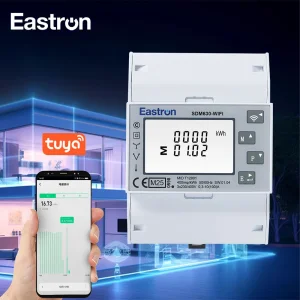
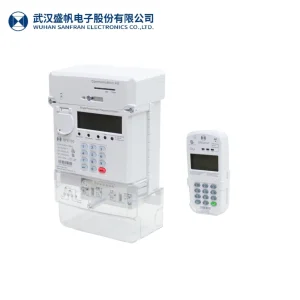
Class 0.5 energy meters offer a maximum measurement deviation of just ±0.5%. MID (Measuring Instruments Directive) certification ensures the meter meets rigorous European standards, allowing for legal billing, carbon accounting, and high-accuracy telemetry. This precision is critical for validating the efficiency of industrial solar systems and green infrastructure.
IP67-rated connectors are fully dustproof and can withstand immersion in water up to 1 meter depth for 30 minutes. In outdoor environmental telemetry, high humidity, rain, and environmental debris can degrade electrical contacts. IP67-rated connectors prevent ingress, mitigating ground faults and ensuring uninterrupted data transmission.
We offer full system customization. Before confirming an order, we request detailed site dimensions, photographs, and geographical data. Our engineering team uses this information to design an optimized solar configuration, ensuring components fit the physical installation space and local solar profile.
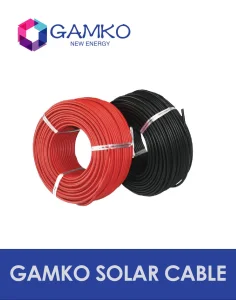
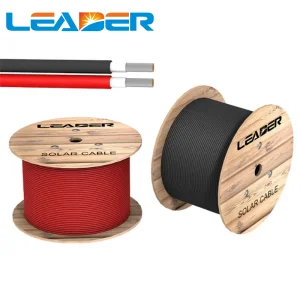
Yes, XLPO (Cross-linked Polyolefin) insulation provides superior resistance to UV radiation, ozone, water, and extreme temperatures (-40°C to +120°C). Compared to standard PVC cables, XLPO cables resist cracking and degradation, helping to prevent short circuits over decades of outdoor exposure.
Durable hardware, structural mountings, industrial solar cables, and smart maintenance kits to secure environmental sensor platforms.
 RayBoost Solar