Engineered for high-performing photovoltaic installations, optimizing solar yields in regional commercial and industrial settings across Rwanda.
Evaluating commercial, industrial, and off-grid solar O&M parameters under East African climatic challenges.
Rwanda's commitment to expanding renewable energy is clear. Backed by the national Energy Sector Strategic Plan (ESSP) and Vision 2050, the country is rapidly deploying grid-connected utilities, rural microgrids, and commercial rooftop solar installations. Projects like the 8.5MW solar park in Agahozo-Shalom Youth Village and major systems in the Kigali Special Economic Zone (KSEZ) demonstrate a shifting energy dynamic.
However, solar arrays in East Africa encounter specific local challenges. Frequent dry spells, red soil accumulation, agricultural residues, and volcanic ash from neighboring Virunga regions settle on PV glass surfaces. This creates a persistent soil layer, or soiling loss, which can degrade overall power output by 15% to 30% if left uncleaned.
For local operations and maintenance (O&M) providers in Kigali, Bugesera, Musanze, and beyond, standard pressure washing is not a complete solution. High-pressure jets can cause micro-cracks in glass panels and damage delicate backing sheets, while manual scrubbers can leave micro-scratches. Specialized, non-abrasive solar panel cleaning kits are required to preserve system efficiency and long-term warranties.
Custom cleaning solutions designed for unique local infrastructure, rooftop configurations, and water availability.
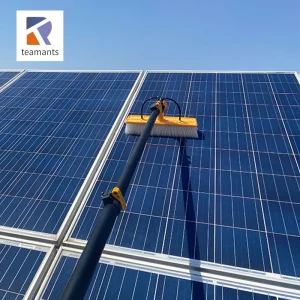
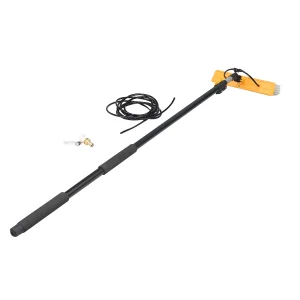
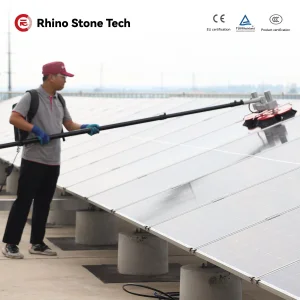
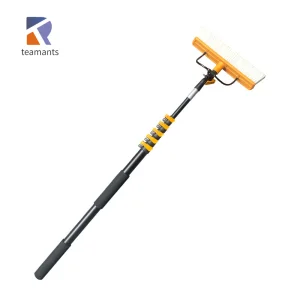
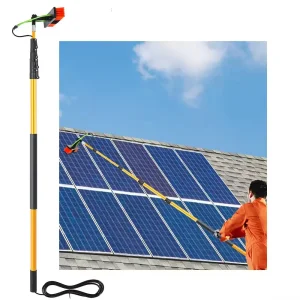
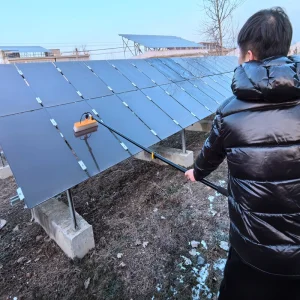
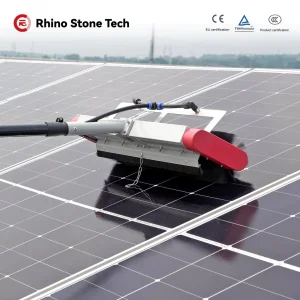
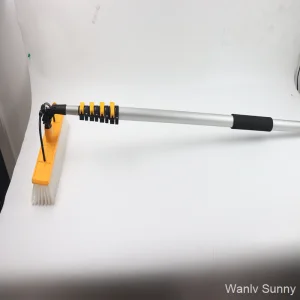
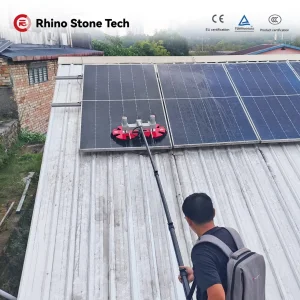
Many commercial warehouses in Rwanda use steep corrugation roofs. Our carbon-fiber telescopic pole systems, extending up to 6 meters, allow operators to clean arrays from access paths, eliminating the risk of stepping directly onto fragile panels.
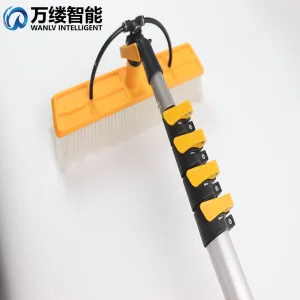
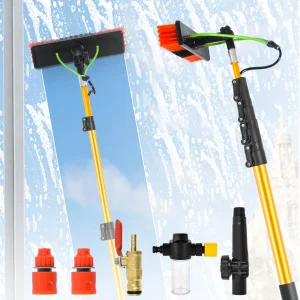
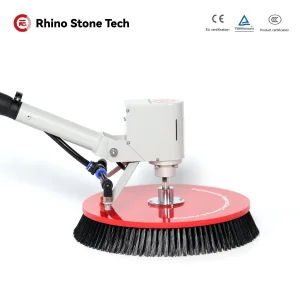
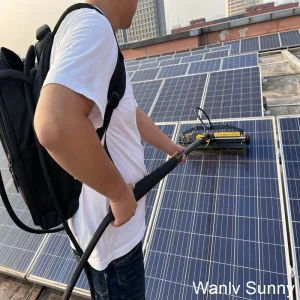
Water scarcity is a key consideration in rural East Africa. Our water-saving, flow-regulated brushes feature specialized nozzle designs. They generate high-velocity, low-flow mist paths that clean glass surfaces with minimal water usage.
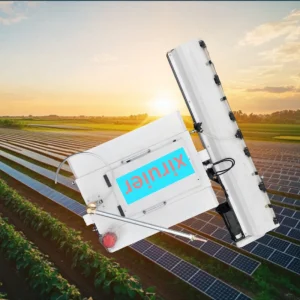
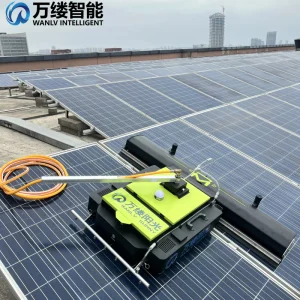
For large-scale ground-mounted facilities in regions like Bugesera, automated robot cleaning kits operate along row-paths. These systems run dry-cleaning runs or low-liquid sweeps, providing efficient maintenance for large installations.
A trusted partner for reliable, high-performance solar clean-tech components shipped directly from our modern factory.
Hangzhou RayBoost Solar Co., Ltd. is a professional manufacturer specializing in solar energy solutions, supported by advanced testing facilities and strong technical expertise. Located in Hangzhou, just about 50 minutes by high-speed train from Shanghai Airport, the company benefits from convenient transportation and a well-developed industrial environment, enabling efficient service for global customers.
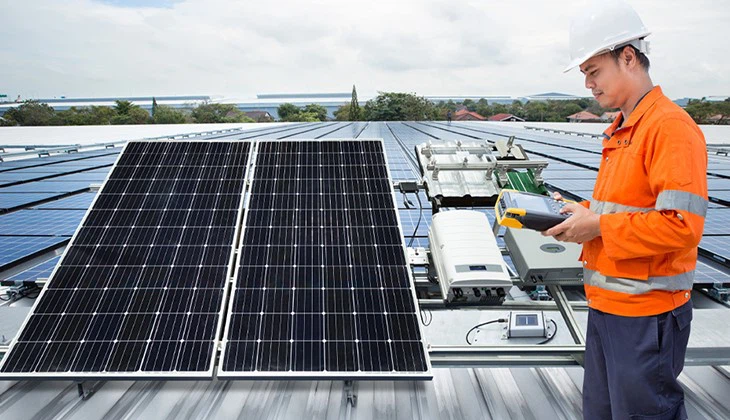
RayBoost Solar is dedicated to providing comprehensive one-stop solar energy solutions to clients worldwide. The company’s business covers portable power stations, hybrid solar inverter systems for both on-grid and off-grid applications, energy storage systems, as well as integrated energy solutions for industrial, commercial, and residential use, including balcony solar systems. With its own manufacturing facilities, RayBoost Solar produces key components such as lithium batteries, solar inverters, portable power stations, and complete solar system combinations, ensuring reliable quality and supply chain control.
To maintain high standards, the company has introduced advanced automated production equipment from Italy and Japan. Combined with an experienced research and development team, RayBoost Solar continuously improves product performance, durability, and intelligent energy management capabilities, meeting the evolving demands of the global renewable energy market.
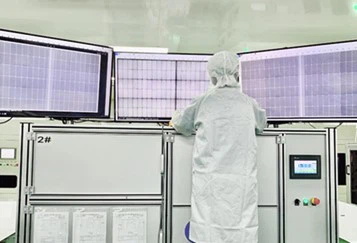
In terms of service, RayBoost Solar offers a full-process solution covering system design, production, sales, and after-sales support. Each project is customized according to the specific installation conditions. Before order confirmation, customers are required to provide site dimensions and photos, allowing the company to deliver accurate and optimized system solutions. While installation services are not included, detailed guidance and technical support are provided to ensure smooth project implementation.
Quality is a core priority at RayBoost Solar. All products undergo strict testing procedures and comply with international standards, ensuring safety, reliability, and long service life. Backed by solid manufacturing capabilities and a comprehensive quality control system, the company has built a strong reputation among its global partners.
Looking ahead, RayBoost Solar is committed to promoting clean and sustainable energy worldwide. By delivering innovative, efficient, and environmentally friendly solar solutions, the company aims to become a trusted long-term partner for customers across different markets. Visitors and partners from around the world are warmly welcomed to collaborate and achieve mutually beneficial growth.
Developing next-generation materials and maintaining full compliance with global PV standards.
Solar technology has progressed from simple scrub brushes to intelligent, multi-component cleaning assemblies. At RayBoost Solar, our engineering roadmap focuses on three main developments:
For projects in Rwanda, compliance with quality guidelines is essential. Our manufacturing practices align with international standards, helping local systems meet compliance expectations:
Consult with our engineering team to select the right pole length, brush head configuration, and water-fed system for your commercial or utility-scale project.
Send Inquiry NowCommon questions from O&M teams, project engineers, and solar asset managers operating in Rwanda.
A comprehensive selection of telescopic brushes, rotating scrub heads, and automated cleaning kits for diverse solar applications.
Our engineers can provide layout and technical assistance based on your project dimensions and site location.
Send Inquiry Now RayBoost Solar