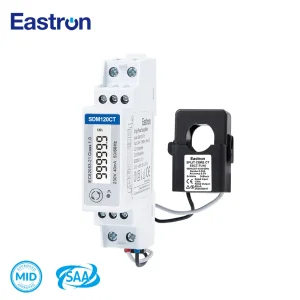
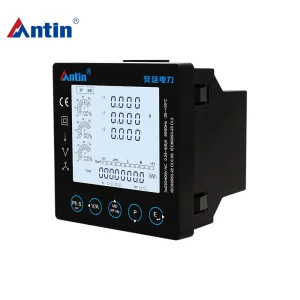
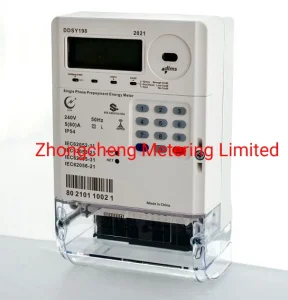
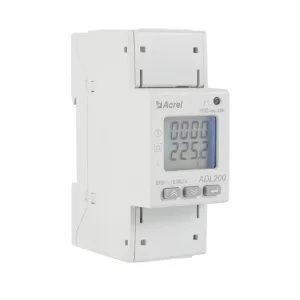
High-accuracy energy measurement devices optimized for the tropical climate and grid resilience parameters of Dominican utilities and enterprises.
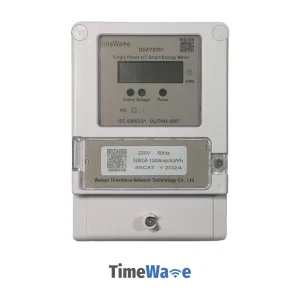
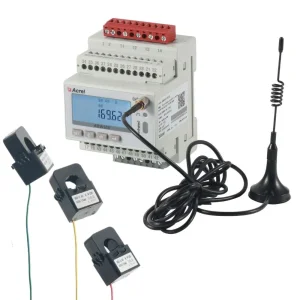
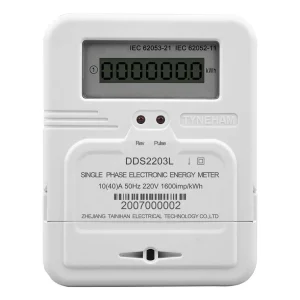
Dominica, widely recognized as the "Nature Island of the Caribbean," is currently undergoing one of the most ambitious energy transformations in the Western Hemisphere. Historically reliant on expensive imported diesel fuel, the nation’s utility provider, DOMLEC (Dominica Electricity Services Limited), alongside the national government, is actively shifting towards 100% domestic renewable resources. The flagship Roseau Valley Geothermal Project, coupled with expanding utility-scale and distributed solar installations, forms the cornerstone of this modernization effort. However, deploying clean energy generation is only half the battle; building a resilient, intelligent grid capable of distributing and managing this energy is equally critical.
In a tropical ecosystem prone to extreme weather events—most notably highlighted by Hurricane Maria in 2017—grid infrastructure must be designed for rapid recovery, decentralization, and extreme physical durability. Smart energy meters integrated with Advanced Metering Infrastructure (AMI) and Automatic Meter Reading (AMR) solutions play an indispensable role in this new paradigm. These devices allow utilities to monitor power quality in real-time, localize faults instantly, automate billing, and facilitate prepaid electricity programs that lower consumer costs while enhancing utility cash flows.
Furthermore, Dominica’s Independent Regulatory Commission (IRC) has championed frameworks that incentivize net-billing and self-consumption. As residential developments, eco-luxury hotels (such as those in Portsmouth and Soufrière), and light industrial facilities integrate rooftop solar systems, bi-directional smart meters are required to track both imported energy from DOMLEC and exported green power. RayBoost Solar’s smart metering portfolio offers precise, ruggedized hardware that meets these stringent utility requirements and regulatory compliances.
Dominica's volcanic, mountainous terrain creates significant wireless communication barriers. Standard cellular networks (4G/LTE) often experience dead zones in steep valleys. Our smart meters mitigate this by offering multi-modal communication architectures, integrating long-range LoRaWAN, localized WiFi/RS485, and robust cellular failovers, ensuring constant data logging and control even in remote communities.
Procuring utility-grade smart meters for Dominica requires navigating standard international certifications while accounting for specific local grid anomalies, such as voltage fluctuations, high salt-spray atmospheric environments, and high relative humidity. Devices must strictly adhere to either IEC or ANSI performance standards. Below is an engineering comparison of standard smart meter communication technologies applied specifically within Dominica's regional framework:
| Technology | Suitable Applications in Dominica | Key Advantages | Terrain / Range Performance | Standard Compatibility |
|---|---|---|---|---|
| LoRaWAN | Rural Microgrids & Mountainous Settlements | Ultra-low power, high penetration, license-free band | Excellent (Overcomes rugged valleys) | IEC 62056 / DLMS / COSEM |
| 4G / LTE / NB-IoT | Urban Centers (Roseau, Portsmouth) | High bandwidth, direct cloud communication, OTA updates | Moderate (Depends on local cell tower density) | ANSI C12.20 / IEC Class 0.5S |
| WiFi & RS485 | Commercial Resorts, Smart Factories, PV Parks | Low cost, easy local controller integration | Limited (Requires localized gateway) | Modbus RTU / TCP IP |
| STS Prepaid | Residential Tenants & Commercial Sub-letting | Pre-payment token validation, tamper prevention | Offline / Online hybrid capability | IEC 62055 (Standard Transfer Spec) |
In addition to communication interfaces, the physical build of the meters must feature flame-retardant polycarbonate enclosures. For outdoor installations in coastal environments like Roseau and Grand Bay, protection ratings of IP65 (dust-tight and water-resistant) or IP67 are non-negotiable. Tamper detection circuitry, which flags magnetic interference, terminal cover openings, or reverse-current connections, is integrated to safeguard utility revenues.
Dominica’s luxury tourism relies on green credentials. Submetering enables properties to track carbon footprint and optimize HVAC / solar consumption dynamically.
Scalable infrastructure allowing DOMLEC to aggregate consumption data, execute peak demand limiting, and run predictive maintenance analytics.
Bidirectional measurement capability designed to handle dual power registers, tracking solar generation export and grid usage side-by-side.
Implementing smart meters is not merely about installation; it requires a deep understanding of electrical topologies. For industrial facilities utilizing machinery with inductive loads (e.g., cold storage, water bottling plants), our power analyzers and smart meters monitor total harmonic distortion (THD), reactive power (kVAR), and phase imbalances. Proactively addressing these factors prevents equipment wear and avoids utility penalties for poor power factors.
Hangzhou RayBoost Solar Co., Ltd. is a globally established manufacturer specializing in solar energy systems and smart energy hardware, backed by advanced testing laboratories and deep-domain engineering expertise. Strategically located in Hangzhou—roughly 50 minutes via high-speed train from Shanghai Airport—our modern facilities facilitate efficient worldwide distribution, with streamlined logistics pathways serving Caribbean markets like Dominica.
Our comprehensive production matrix covers hybrid solar inverter systems, commercial and industrial energy storage systems, portable power stations, and residential grid-tie architectures. Crucially, we control our own manufacturing lines for key system components. This direct ownership of lithium-ion battery integration, smart energy meters, and control interfaces ensures unmatched quality control, long-term supply chain reliability, and direct engineering customization capabilities.
To meet the demanding requirements of global grids, our factory utilizes automated precision production machinery imported directly from Italy and Japan. Our experienced R&D department translates this manufacturing capability into continuous product advancements, enhancing the intelligent energy management, telemetry accuracy, and tropical environment durability of all our energy devices.
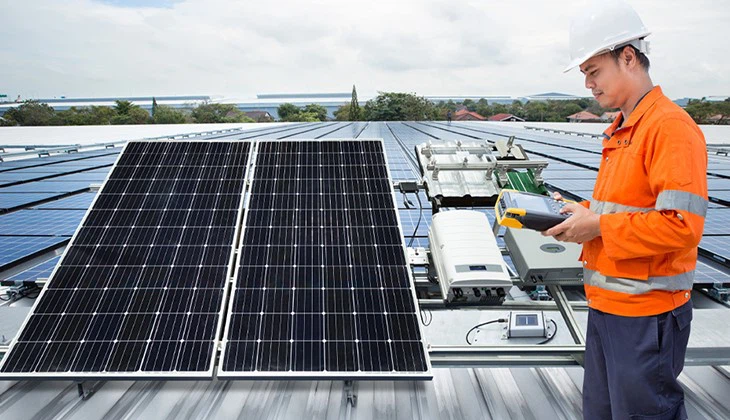
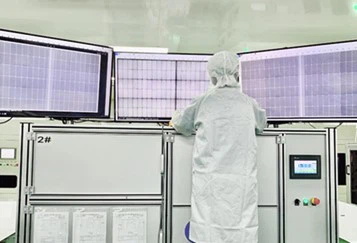
In terms of operations, RayBoost Solar provides a comprehensive, end-to-end service cycle covering site assessment, customized component matching, production, rigorous quality testing, and international technical support. Every Caribbean installation plan is tailored specifically to local humidity levels, grid standards, and environmental conditions. Prior to order finalization, our technical teams work with clients to analyze site photos, dimensional drawings, and electrical single-line diagrams, resulting in a perfectly matched energy management configuration.
Select from our full line of industrial and residential metering systems, optimized with robust wireless standards and dynamic data logging capabilities.
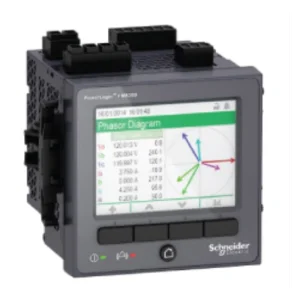
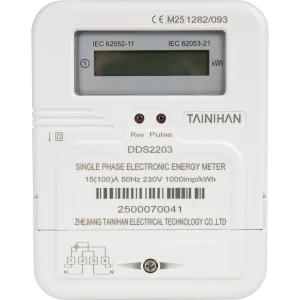
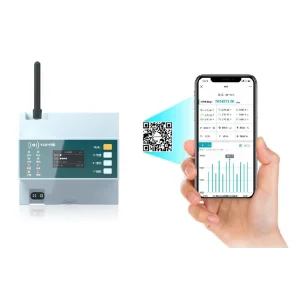
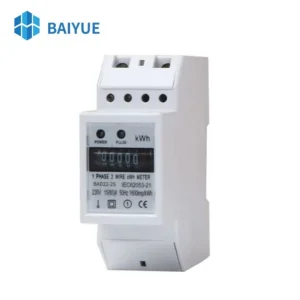
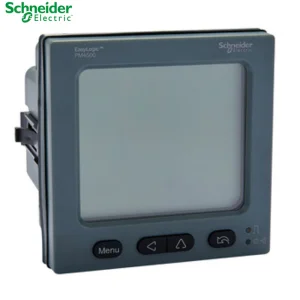
Purchasing metering solutions within the Eastern Caribbean Currency Union (ECCU) zone involves meeting specific quality indicators. For Dominica, the Independent Regulatory Commission (IRC) oversees the standards of service, and any grid-connected equipment must receive the approval of DOMLEC's engineering department. Because Dominica relies heavily on regional standards influenced by both British BS and American ANSI parameters, we configure our meters with multi-voltage tolerance ranges (e.g., standard single-phase 230V systems at 50Hz, alongside 120/240V split-phase systems common in legacy zones).
RayBoost Solar bridges the gaps of international logistics by handling complete compliance preparation. Each shipment includes detailed calibration certificates, compliance documentation for IEC/ANSI standards, and precise wiring configurations tailored to local installation conditions. While our corporate group does not provide direct physical installation within Dominica, we provide full technical remote support, detailed installation manuals, and configuration scripts. This support ensures local electrical contractors and engineering teams can commission our meters smoothly, minimizing delays.
Answers to key technical questions from local utility engineers, commercial developers, and procurement executives.
Our smart meters feature IP65-rated (or higher) polycarbonate enclosures designed for outdoor installations. The internal circuit boards (PCBs) undergo a conformal coating process, protecting sensitive electronic components against moisture, salt spray corrosion, and condensation typical of Caribbean coastal areas.
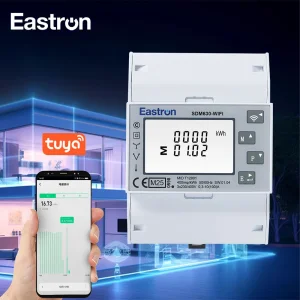
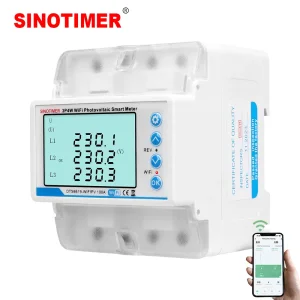
Yes. Our bi-directional smart meters (such as the Eastron SDM630 or DTS6619 series) feature separate registers for import and export energy, in full compliance with international standards required by DOMLEC and the Dominica Independent Regulatory Commission (IRC) for net-billing applications.
For mountainous areas (e.g., the Roseau Valley or inland communities), we recommend LoRaWAN due to its superior propagation characteristics in rugged terrains. For urban centers like Roseau and Portsmouth, 4G LTE or NB-IoT meters are ideal, whereas local commercial buildings and resort complexes frequently utilize WiFi and RS485 Modbus.
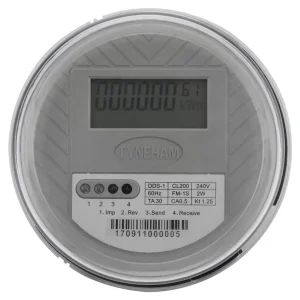
Yes, we manufacture STS-compliant prepaid energy meters. These meters allow utilities to generate 20-digit tokens that consumers enter via a keyboard (CIU - Customer Interface Unit) or a mobile app to recharge their electricity balance, operating seamlessly in both online and offline configurations.
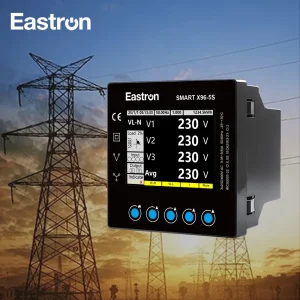
Our industrial instruments, such as the PM8340 and Eastron X96-5S, meet Class 0.5S accuracy standards (defined by IEC 62053-22). They measure up to the 31st harmonic, reactive power, power factor, and phase imbalances, providing precision telemetry for high-demand industrial systems.
We offer direct support through our engineering department. Our team provides remote firmware setup, communication protocol debugging (Modbus/DLMS), system integration advice, and troubleshooting documentation, ensuring local technicians can complete commissioning on-site.
Whether you are upgrading commercial resort sub-metering, implementing utility-scale AMI networks, or installing net-metered solar systems, our engineering team is ready to assist. Contact us to receive detailed datasheets, compliance documentation, and project-specific pricing.
Send Inquiry Now RayBoost Solar