Explore our highly-curated selection of system components, testing equipment interfaces, and solar optimization modules engineered for long-term performance stability.
The global energy transition demands unprecedented reliability in photovoltaic (PV) generation. Solar panels are expected to operate efficiently for 25 to 30 years in harsh outdoor environments, facing thermal cycling, UV radiation, mechanical loads, and humidity. As a result, the integration of professional-grade solar panel testing equipment is no longer just a laboratory requirement; it is a critical safeguard for utility-scale investments, developers, and panel manufacturers alike.
From testing silicon wafer purity to final product assembly testing, high-precision metrology ensures that modules achieve their rated power outputs while minimizing structural defect risks. Common issues like microcracks, hot spots, Potential Induced Degradation (PID), and Light Induced Degradation (LID) cannot be detected by the naked eye. Utilizing advanced diagnostics—such as Electroluminescence (EL) imaging and I-V curve tracers—is essential to optimize power density and secure financial returns.
Power Yield Verification: Verifying exact wattage ratings prevents performance shortfalls under Standard Test Conditions (STC).
Defect Elimination: Finding sub-visual structural weaknesses like microcracks before shipping reduces return rates.
Degradation Prevention: Simulating environmental stresses guarantees system performance over its 25+ year lifespan.
The photovoltaic industry is evolving rapidly, moving from traditional PERC technology to high-efficiency n-type architectures like TOPCon, Heterojunction (HJT), and Tandem Perovskite cells. Our engineering insights detail the testing techniques required to measure these advanced solar devices.
Traditional xenon flash lamps are being replaced by high-performance LED solar simulators. LED-driven light engines offer a tunable spectrum, allowing close matching of spectral characteristics (Class A+A+A+ standards). This ensures precise measurements for multi-junction and bifacial PV modules under steady-state or dynamic pulse widths.
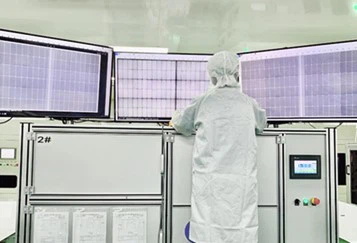
High-resolution Near-Infrared (NIR) cameras capture the weak electroluminescent emission of silicon solar cells when current is applied. Using AI-based pattern recognition, in-line EL testers scan modules in under 20 seconds, automatically identifying and sorting microcracks, finger breaks, grid defects, and soldering failures.
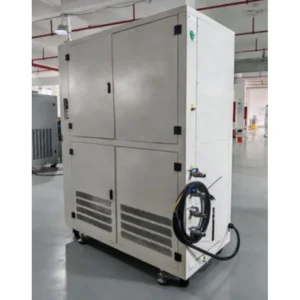
Understanding degradation modes requires exposing cells and modules to simulated extreme conditions. Heavy-duty environmental chambers evaluate damp heat (85°C at 85% RH), thermal cycling (-40°C to +85°C), and humidity-freeze cycles, ensuring compliance with international IEC and UL quality certification standards.
Industry Trend Alert: Bifacial solar modules now represent a significant portion of utility-scale projects. Measuring energy output on both the front and rear sides requires specialized dual-sided LED light paths and advanced software algorithms. This setup ensures that the bifaciality factor and power gains are evaluated with high precision.
At the center of solar design innovation, Hangzhou RayBoost Solar Co., Ltd. stands as a professional manufacturer specializing in solar energy solutions. Supported by advanced testing facilities and strong technical expertise, the company is dedicated to providing comprehensive, one-stop solar energy solutions to clients worldwide.
RayBoost Solar's business covers portable power stations, hybrid solar inverter systems for both on-grid and off-grid applications, energy storage systems, and integrated energy solutions for industrial, commercial, and residential use, including balcony solar systems. With its own manufacturing facilities, RayBoost Solar produces key components such as lithium batteries, solar inverters, portable power stations, and complete solar system combinations. This vertical integration ensures reliable quality and strong supply chain control.
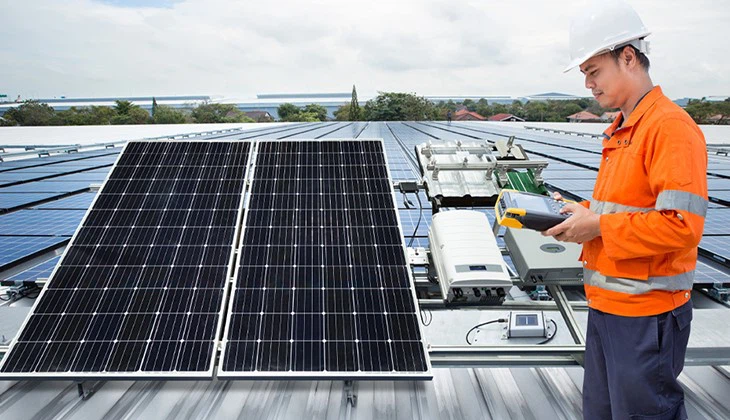
To maintain high standards, the company has introduced advanced automated production equipment from Italy and Japan. Combined with an experienced research and development team, RayBoost Solar continuously improves product performance, durability, and intelligent energy management capabilities, meeting the evolving demands of the global renewable energy market.
RayBoost Solar offers a full-process solution covering system design, production, sales, and after-sales support. Each project is customized according to the specific installation conditions. Before order confirmation, customers are required to provide site dimensions and photos. This allows the engineering team to deliver accurate, optimized, and safety-verified system designs. While on-site installation services are not included directly, detailed guidance and technical support are provided to ensure smooth project implementation globally.
Located in Hangzhou, Zhejiang Province, the company benefits from a well-developed industrial environment. Being just about 50 minutes by high-speed train from Shanghai Airport, RayBoost Solar enables rapid shipping, easy factory audits, and efficient global technical support.
Deploying solar power systems and diagnostic equipment requires understanding regional standards, grid connectivity codes, and localized installation requirements.
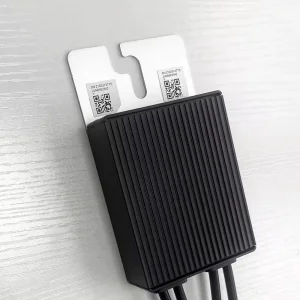
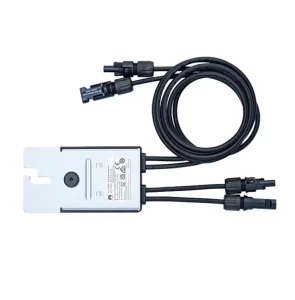
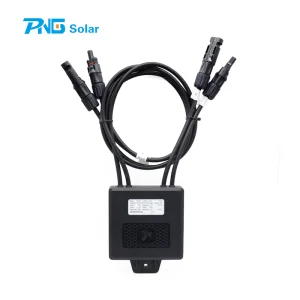
Systems deployed in the USA and Canada must adhere to UL 1703 / UL 61730 for module safety, and NEC 2020/2023 rapid shutdown requirements. RayBoost Solar’s smart optimizer integration, including Huawei SUN2000-450W-P solutions, provides module-level rapid shutdown (MLRSD) compliance to protect field service technicians and emergency personnel.
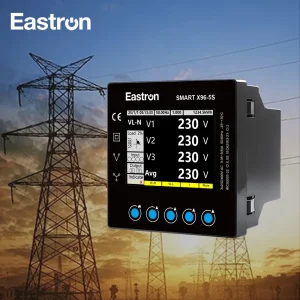
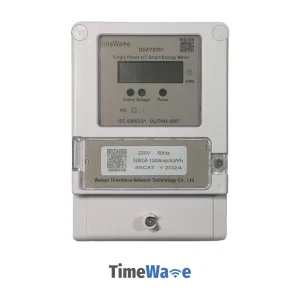
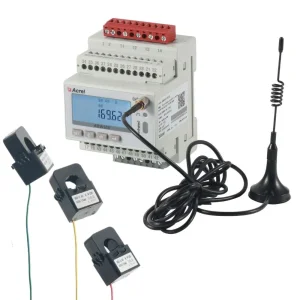
European utility networks emphasize grid harmonic control and electromagnetic compatibility (EMC). High-accuracy energy analyzers, like the Eastron Smart X96-5s Series, enable real-time leakage current measurement and three-phase bi-directional energy tracking. This ensures compliance with regional codes like EN 50549 and CE directives.
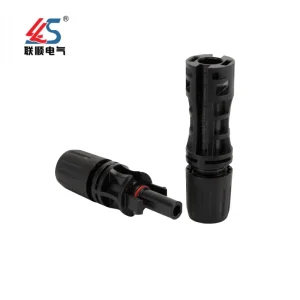
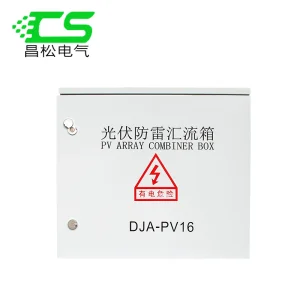
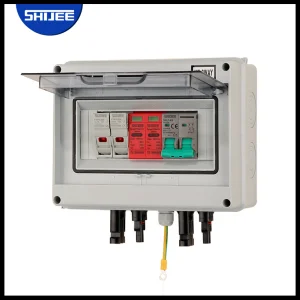
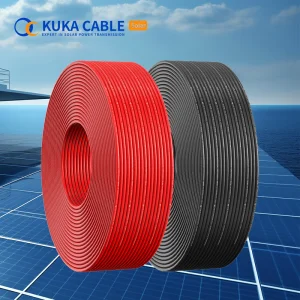
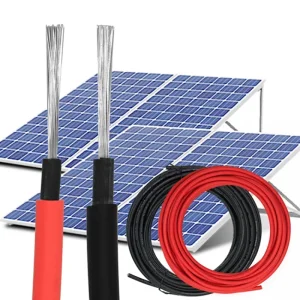
High-temperature, high-humidity regions in Southeast Asia and the Middle East require rugged hardware. Waterproof junction boxes (IP67/IP68) and high-quality tinned copper DC cables are essential to prevent corrosion. These components undergo strict damp-heat testing to ensure reliability in challenging environments.
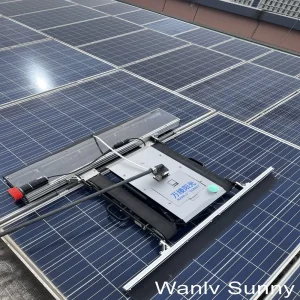
Once solar panels are installed, keeping them operating efficiently requires regular maintenance and field diagnostics. Dust, sand, and bird droppings can accumulate on modules, creating hot spots that reduce energy output and can damage the cells. To address this, asset managers are increasingly turning to automated solar panel cleaning robot kits to clean the arrays without using excessive water or risking damage to the glass.
Field diagnostics are also key to managing large-scale solar arrays. Using portable I-V curve tracers and thermal imaging cameras, technicians can identify underperforming modules, wiring faults, or connector failures in real time. These components can then be quickly repaired or replaced under manufacturer warranties, ensuring the system continues to operate at peak efficiency.
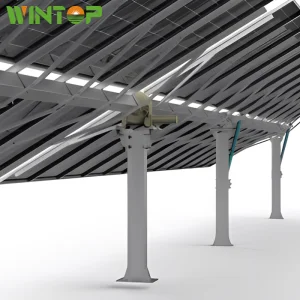
A Case for Continuous Optimization: By pairing solar trackers with module-level MPPT power optimizers, commercial operators can increase energy yields by up to 25% in shaded or uneven environments. Integrating these components with smart energy meters provides full visibility into system performance and helps maximize return on investment.
Get answers to common technical and logistical questions about solar panel testing equipment, system optimization, and global supply chain partnerships.
Complete your design with our high-reliability range of optimizers, environmental monitoring components, junction boxes, and solar-grade cabling.
 RayBoost Solar