Explore our high-performance balance-of-system (BOS) components, designed to optimize levelized cost of energy (LCOE) and satisfy strict institutional bankability standards.
Mitigating Capital Constraints through Structurally Optimized Hardware and Custom Financial Alignment.
The global transition toward solar energy is no longer just a technical or environmental choice—it is a sophisticated financial deployment. As commercial, industrial, and utility-scale projects scale rapidly, the barrier to deployment shifts from hardware availability to capital structure optimization. Understanding the intersection between engineering, procurement, and construction (EPC) and project finance is vital for modern energy developers.
Financiers and asset managers analyze risk through the lens of bankability, technical reliability, and predictable performance metrics. Unplanned downtime, cable failure, or optimizer degradation directly impact the debt service coverage ratio (DSCR). Therefore, specifying top-tier, certified components is a prerequisite for securing attractive financing rates, whether through Power Purchase Agreements (PPAs), green bonds, or financial leasing.
"Choosing bankable balance-of-system (BOS) components is a core factor in securing institutional capital. Cheap, uncertified hardware leads to higher insurance premiums and unfavorable debt terms."
Third-party financing structures where developers build, own, and operate the solar asset, selling electricity to the off-taker at a predetermined, discounted tariff.
Allow companies to utilize PV installations without heavy upfront CAPEX. Leasing rates are offset directly by monthly electricity savings.
Commercial banks and international development institutions offer low-interest loans specifically earmarked for carbon-reducing technologies.
Analyzing how regional energy profiles and microgrid systems dictate project bankability and technology selection.
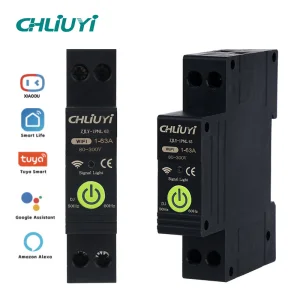
In high-density markets like Germany and Austria, balcony solar systems are financed through consumer micro-loans or retail green credit cards. These configurations rely on plug-and-play components, intelligent charge controllers, and miniature energy monitoring to ensure direct-to-grid safety compliance and optimal yield.
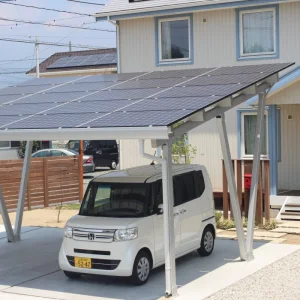
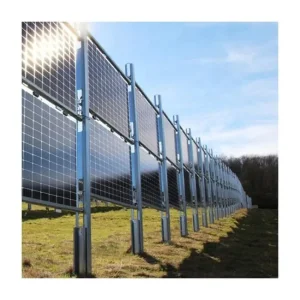
Modern commercial centers utilize solar carports and bifacial PV fencing for agricultural settings. Developers secure funding under environmental tax-reduction schemes. Components like double-sided steel mounting frameworks and specialized tracking motors are necessary to support structures that must withstand dynamic regional wind loads.
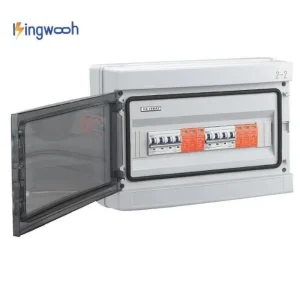
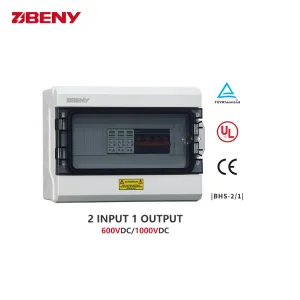
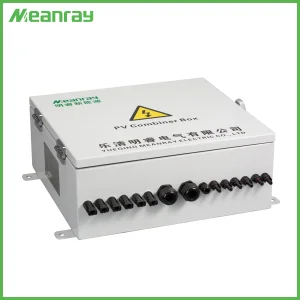
For remote industrial complexes and government data centers, energy independence is financed through public-private partnerships (PPPs) or infrastructure bonds. High-capacity monitoring systems, 24-bit multi-channel data acquisition, and robust outdoor combiner boxes are used to ensure stable operation and guarantee constant power.
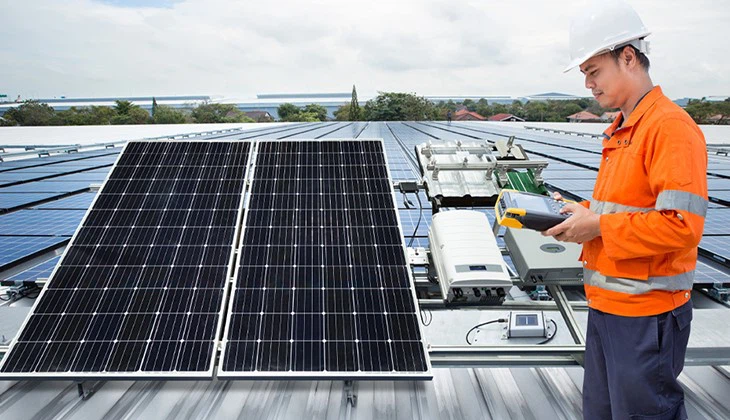
A Premier Global Partner for One-Stop Solar Energy Engineering Solutions.
Hangzhou RayBoost Solar Co., Ltd. is a specialized manufacturer and systems integrator of advanced solar energy technologies. Our facility is situated in Hangzhou, Zhejiang Province—a prime Chinese manufacturing hub located just 50 minutes by high-speed rail from Shanghai Hongqiao International Airport. This strategic location enables us to export our products efficiently through Shanghai and Ningbo ports, maintaining short logistics lead times for customers worldwide.
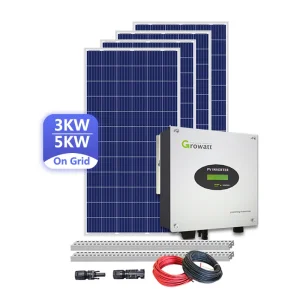
We supply a comprehensive suite of solar infrastructure assets. Our portfolio includes portable power stations, hybrid on-grid and off-grid solar inverter systems, lithium-ion battery energy storage systems (BESS), and integrated commercial/balcony PV systems. By managing the production of critical balance-of-system components, we maintain strict quality control and guarantee reliable supply lines to global clients, including EPC contractors, distributors, and developers.
Mitigating raw material volatility and maximizing output through automation and strict quality assurance.
To meet the strict technical standards of the international renewable energy market, RayBoost Solar has integrated state-of-the-art automated manufacturing equipment sourced directly from top-tier machine manufacturers in Italy and Japan. Our production lines feature robotic pick-and-place assembly, automated optical inspection (AOI) systems, and real-time electronic performance analysis. This high degree of automation ensures mechanical consistency and minimizes the risk of human error during assembly.
Every component we manufacture—from solar cables and combiner boxes to advanced solar tracking motor systems—undergoes a series of rigorous testing procedures before leaving our warehouse. Our testing protocol includes thermal cycling tests, insulation resistance checks, high-voltage surge tests, and ingress protection (IP) rating verification. All products comply with international certifications, including TUV and UL standards, making them highly bankable for projects seeking traditional debt financing or PPA structures.
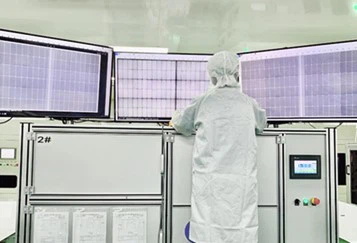
Driving efficiency improvements through smart monitoring, dynamic tracking, and optimized energy storage.
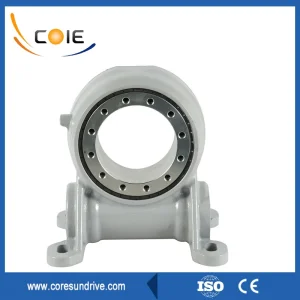
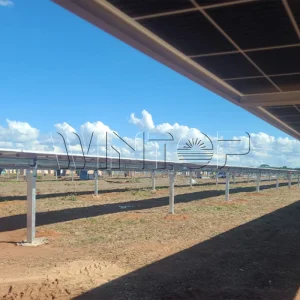
Single and dual-axis solar tracking bracket kits, integrated with intelligent tracking gear motors, dynamically align panels with the sun. This increases energy generation by up to 25%-30% compared to fixed-angle configurations, directly improving the return on investment (ROI) for C&I installations.
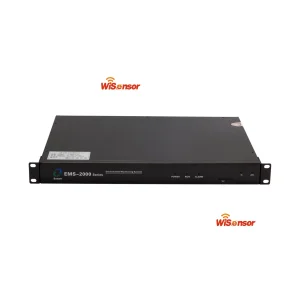
Modern PV power plants use industrial-grade environmental monitoring and data acquisition systems. Real-time data logging allows operators to track ambient temperature, irradiance levels, and wind speeds, facilitating predictive maintenance and reducing operation and maintenance (O&M) costs.
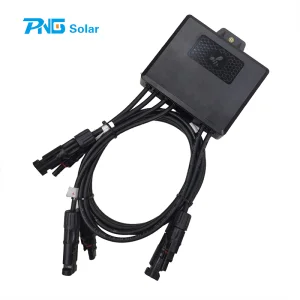
Integrating Solar Power Optimizers (such as Honeybee 400 and Honeybee 800) at the module level mitigates the negative effects of shading, dust, and module mismatch. This technology ensures that each panel operates at its maximum power point (MPPT), protecting the overall system yield.
How we tailor solar systems to local installation parameters and support projects worldwide.
Before confirming an order, we require clients to provide detailed installation site dimensions, photographs, and geographical coordinates. This data forms the baseline for our engineering designs.
Our in-house R&D team uses advanced software to calculate exact layout footprints, structural load tolerances, electrical single-line diagrams, and estimated yield curves tailored to localized solar patterns.
Upon design sign-off, critical components are produced in our Hangzhou factory. Each unit is tested to ensure compliance with the target market's grid codes and safety regulations.
While physical installation is handled by local EPC contractors, we supply comprehensive installation guides, high-definition videos, and remote technical support to ensure safe and successful commissioning.
One of the primary roadblocks in solar project financing is obtaining grid connection permissions and local regulatory approvals. For instance, in North America and Western Europe, power distribution networks demand strict certifications like TUV, CE, and UL for all equipment connected to the public grid.
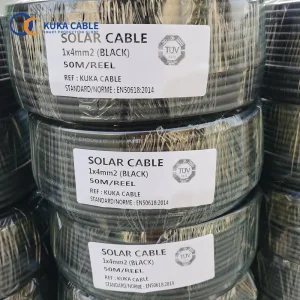
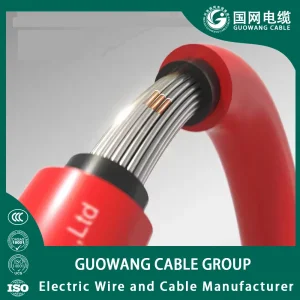
RayBoost Solar designs and manufactures components specifically to address these challenges. Our solar cables, combiner boxes, and monitoring equipment are designed to comply with standard requirements like the H1Z2Z2-K specification. This proactive focus on certification reduces approval timelines with municipal inspectors and grid operators, allowing developers to draw down project financing on schedule.
Addressing the technical, operational, and financial queries of project managers, developers, and EPC engineers.
Financing institutions assess the technical risk of a project based on the lifetime durability and bankability of its hardware. Substandard BOS components, such as uncertified combiner boxes or low-grade DC cables, increase the probability of electrical faults, system outages, and potential fire hazards. Specifying TUV and UL certified components reassures lenders, reduces insurance premiums, and secures more favorable debt terms.
Power Purchase Agreements (PPAs) sell electricity per kilowatt-hour produced. If a portion of the array is shaded or suffers from module mismatch, a standard string inverter's output will drop to the level of the weakest panel. Module-level power optimizers, like the Honeybee series, allow each module to operate independently at its maximum potential. This maximizes energy yield and helps meet PPA production targets.
By integrating automated machinery from Italy and Japan, China-based manufacturers like RayBoost Solar combine cost efficiency with high precision. This balance of cost-effective labor networks and high-precision production keeps capital costs low while matching the performance levels of international brands.
Although a tracking system (single or dual-axis) demands higher initial CAPEX, it increases annual energy generation by 20% to 30% depending on geographical coordinates. This additional yield shortens the amortization period and improves the project's net present value (NPV), making it an attractive upgrade for utility-scale developments.
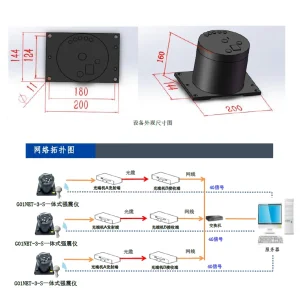
High-precision 24-bit data acquisition provides accurate measurements of grid parameters, environmental conditions, and system voltages. This level of resolution is vital for monitoring energy performance in critical infrastructure, allowing asset managers to detect grid anomalies and optimize energy storage settings in real time.
Complete your solar system configuration with our certified cables, tracking controllers, and remote monitoring systems.
 RayBoost Solar