Premium components designed for maximum performance, compliance with TUV standards, and seamless field integration.

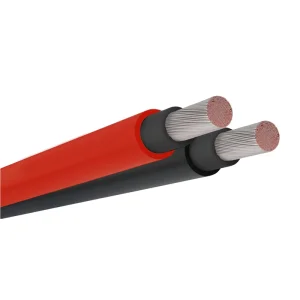
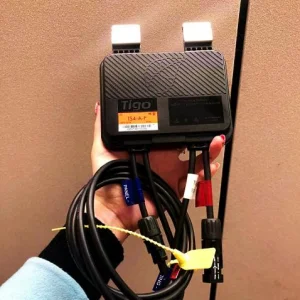
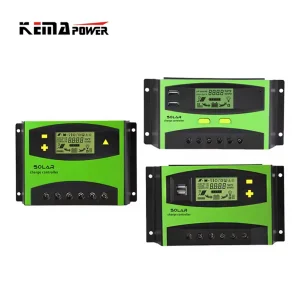
The global transition toward clean energy has fundamentally shifted from sub-megawatt trial systems to complex, highly integrated Commercial and Industrial (C&I) solar infrastructures. Photovoltaic (PV) system design is no longer just about mounting panels; it is a highly specialized engineering discipline that balances meteorological loads, grid stability, material degradation, and optimal Levelized Cost of Energy (LCOE).
As multinational corporations aim for absolute carbon neutrality, the demand for sophisticated PV design solutions has surged. Modern setups require optimized micro-components, robust cable management, and high-performance mounting brackets capable of surviving structural and climatic challenges over a 25-year operational lifecycle.
From advanced metallurgy for hot-dip galvanized mounting structures to automated precise assembly of circuit boards for solar controllers, Chinese factories occupy an uncontested global leadership position.
Unmatched geographical aggregation of raw silicon processing, precision aluminum profile extrusion, copper wire extrusion, and specialized electronics assembly. This proximity results in hyper-compressed lead times and structural cost efficiencies that are impossible to duplicate in other regions.
Top-tier exporters rely on computer-controlled automated machining lines sourced from industry-leading engineering firms in Italy and Japan. Laser-cutting tolerances under 0.1mm ensure that heavy steel tracking kits fit perfectly upon arriving at remote construction sites.
Chinese factories specialize in adhering strictly to global technical standards. By maintaining ISO9001 certified facilities and investing heavily in regulatory validation, manufacturers ensure that their components meet local safety protocols across European and North American markets.
An Elite Blueprint of One-Stop Solar Manufacturing Expertise
Hangzhou RayBoost Solar Co., Ltd. stands as a premier example of Chinese manufacturing excellence, combining cutting-edge engineering capabilities with advanced logistical advantages. Located in Hangzhou, Zhejiang Province—just 50 minutes by high-speed rail from Shanghai Airport—RayBoost enjoys immediate access to global transport channels and a dense regional industrial cluster, optimizing their export efficiency.
RayBoost Solar excels in delivering integrated, one-stop solar configurations designed for domestic, commercial, and utility-scale projects. Their dynamic catalog covers everything from portable power stations and off-grid hybrid inverter setups to custom residential balcony systems and heavy industrial steel ground mounts.
By owning and managing their core production plants, RayBoost exerts absolute quality and material supply chain oversight over key components. Their core focus remains on high-efficiency lithium battery architectures, digital power optimizers, and comprehensive system combinations designed to deliver uninterrupted performance.
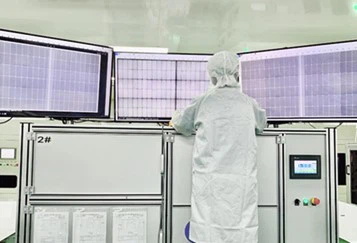
To secure a competitive advantage in global markets, RayBoost has established state-of-the-art manufacturing floors equipped with high-precision machinery imported from Italy and Japan. This robust hardware, managed by a dedicated, in-house R&D engineering department, translates into unmatched continuous product refinement, enhanced safety features, and smart energy optimization algorithms.
Customization is at the Core of RayBoost's Operations: Every project is meticulously designed to fit unique physical parameters. Before any hardware order is processed, customers receive tailor-made configurations based on structural diagrams, local wind factors, and geographical imagery provided by the buyer. Detailed technical and installation guides ensure trouble-free deployments globally.
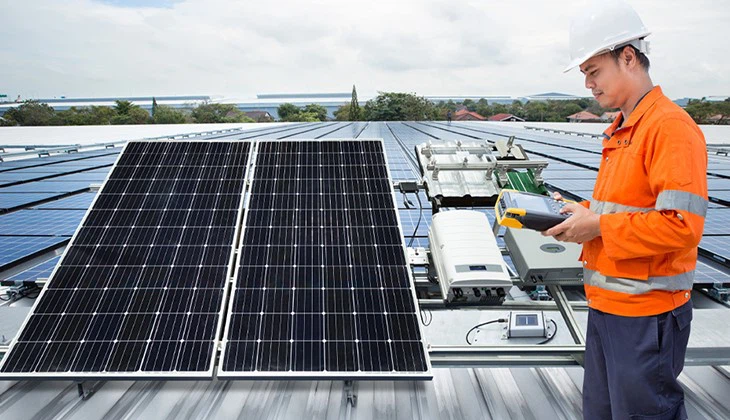
A global design factory must offer highly specialized configurations adapted to a variety of topographies, microclimates, and regional grid regulations.
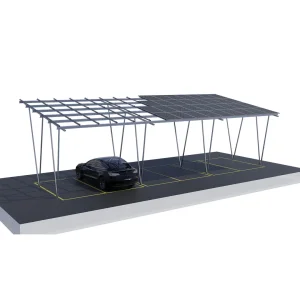
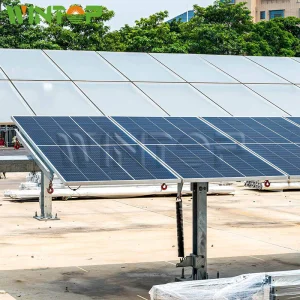
Maximizes real estate by transforming parking structures into generation assets. Systems feature integrated ground-mount steel framing, smart combiners, and high-amp weather-proof DC cables designed to resist UV degradation and continuous temperature swings.
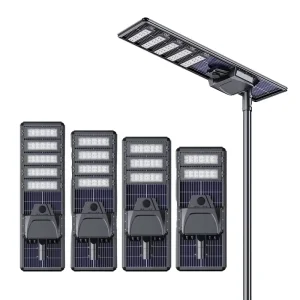
For rural regions, remote construction sites, and oil & gas infrastructure. Utilizing heavy-duty PWM or MPPT charge controllers integrated with robust combiner boxes, and optimized with module-level solar power optimizers to guarantee stable power output.
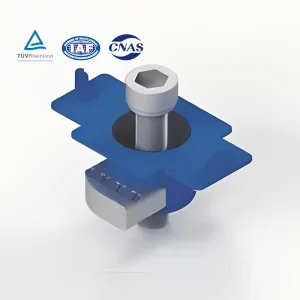
Designed specifically to endure marine and damp environments. These systems utilize hot-dip galvanized steel, specialized rhombus nuts, and anodized aluminum profiles alongside IP68 waterproof MC4 connectors to eliminate the risk of galvanic corrosion.
Procuring utility or C&I components is a complex process with no room for error. Field failures lead to costly downtime and major liabilities. Engineering teams must vet potential manufacturers against clear, objective metrics before importing materials:
Verify the following certifications with your export partner before signing any supply contracts:
Understanding emerging solar technology innovations is critical to future-proofing your current commercial designs and infrastructure investments.
Utility-scale projects are rapidly transitioning from traditional 1000V arrays to advanced 1500V DC layouts. This shift reduces system complexity, cuts down overall balance-of-system (BOS) cabling expenses, and reduces line losses across long runs.
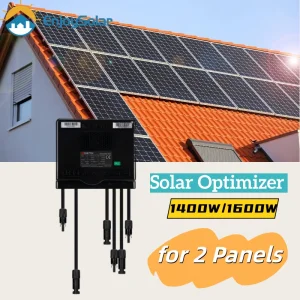
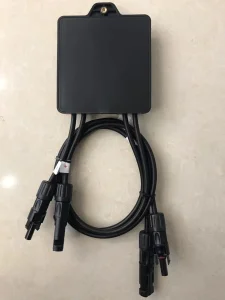
Traditional solar string configurations are yielding to Module-Level Power Electronics. Incorporating dedicated power optimizers limits panel mismatch losses from dirt, shadow, or age, boosting total system output by up to 25%.
Modern PV structures are increasingly integrated with remote sensing equipment. This includes cloud-connected combiners and smart remote sensors that track energy levels to detect anomalies and simplify system maintenance.
In-depth, professional answers to help you navigate technical component specifications, structural design guidelines, and export logistics.
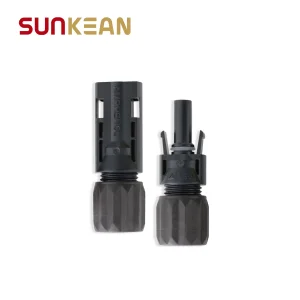
TUV certification verifies that connectors meet stringent mechanical, electrical, and thermal standards. MC4-compatible couplings are engineered with high-grade, UV-resistant housing materials and locking mechanics to prevent accidental decoupling. This guarantees stable, waterproof (IP67/IP68) performance, minimizing resistance and preventing dangerous high-voltage DC ground faults.
Selecting the correct cross-section of your DC cabling directly impacts overall line losses and safe current density. A 6mm² DC cable offers lower internal electrical resistance compared to 4mm² alternatives. On extensive commercial or industrial installations, this reduces energy loss over long distances and limits temperature rise in the cable, preventing thermal degradation of the insulation jacket.
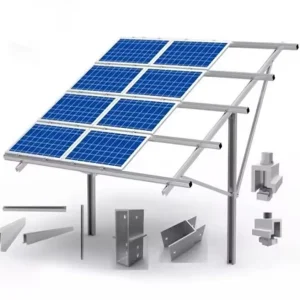
PV installations are constantly subjected to rainfall, humidity, and atmospheric pollutants. High-quality rhombus nuts, brackets, and structural framing elements utilize hot-dip galvanization (HDG). This process forms a thick layer of zinc-iron alloy that provides sacrificial cathodic protection, shielding steel elements from rust and failure over a 25-year operational window.
In simple string setups, the output of an entire row of panels is limited by its weakest module. If one panel is shaded, dirty, or damaged, it bottlenecks the current of the entire string. Power optimizers employ local Maximum Power Point Tracking (MPPT) on individual panels to adjust voltage and current, keeping each module operating at its maximum output regardless of adjacent panels.
Pulse Width Modulation (PWM) controllers act as a direct switch connecting the solar array to the battery bank, pulling the PV array voltage down close to the battery voltage. Maximum Power Point Tracking (MPPT) controllers are more sophisticated; they dynamically adjust input voltage to extract maximum possible power, conversion-stepping it down to match battery charging needs, which can improve overall charging efficiency by 15% to 30%.
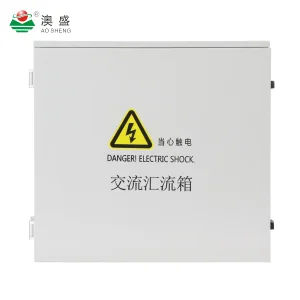
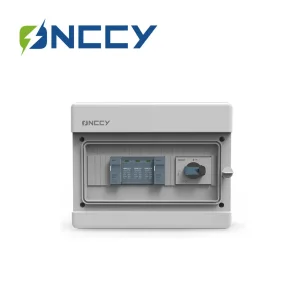
Combiner boxes consolidate multiple input strings into a single high-current output before routing to the inverter. They typically house overcurrent protection fuses, surge protection devices (SPD), and manual disconnect switches. This design protects sensitive downstream electronics from power surges and allows for safe isolation of individual string groups during routine maintenance.
Single-axis trackers rotate the PV modules along a single axis (typically North-South) to follow the sun's trajectory throughout the day. By keeping the angle of incidence closer to perpendicular, tracking brackets increase total annual yield by up to 20% to 30% compared to fixed-tilt setups, helping project developers recover upfront capital costs much faster.
Every geographical region presents unique wind loads, snow levels, and structural constraints. Demanding structural dimensions and actual site photos allows the factory's R&D engineering department to perform precise static load assessments. This step ensures that supplied steel and aluminum structures are customized to handle local environmental stresses without buckling or failing.
In-depth, field-proven components designed to enhance, control, and protect structural utility layouts.
 RayBoost Solar