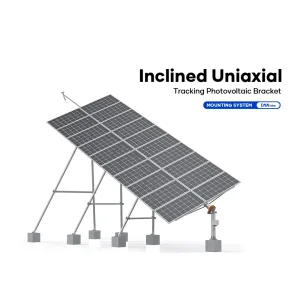
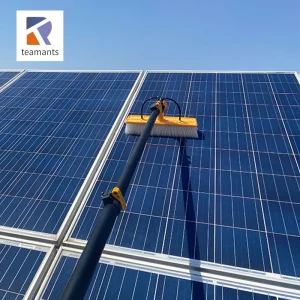
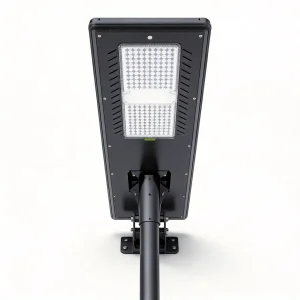
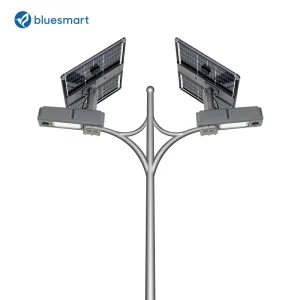
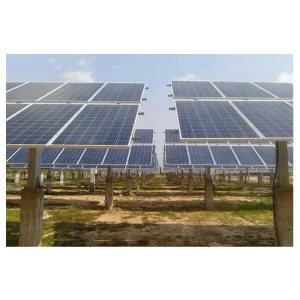
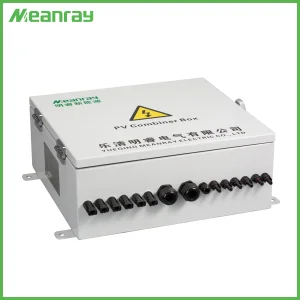
Explore our dynamic product catalog spanning precision GPS sun trackers, cleaning systems, high-efficiency system cables, and advanced industrial lithium storage configurations designed to maximize systemic power output.
The global energy landscape is transitioning rapidly from traditional p-type PERC (Passivated Emitter and Rear Cell) technology towards high-efficiency, n-type semiconductor structures. This shift is driven by the absolute thermodynamic limit of silicon cells and the relentless industry push to lower the Levelized Cost of Energy (LCOE). OEM and ODM manufacturers are at the forefront of this industrial upgrade, offering advanced structures that guarantee higher energy yields, minimized degradation, and superior temperature performance.
Utilizing an ultra-thin silicon oxide layer combined with doped polycrystalline silicon, TOPCon cells achieve dynamic passivation of rear contacts, pushing production efficiency levels beyond 25.5%. The minimal changes required to existing PERC assembly lines make TOPCon the absolute cost-efficiency leader for mid-term solar projects.
By sandwiching a crystalline silicon wafer between thin layers of amorphous silicon, HJT provides high bifaciality (up to 90%) and an exceptional temperature coefficient (-0.26%/°C). It is ideally suited for extreme environments and utility-scale projects leveraging tracking bracket setups.
Representing the commercial frontier, tandem structures place a high-bandgap perovskite cell atop a low-bandgap silicon base. The combined cell captures different wavelengths of the solar spectrum, pushing lab efficiency records beyond 30% and laying the groundwork for future high-density utility plants.
| Cell Architecture | Commercial Production Efficiency | Temperature Coefficient | Bifaciality Factor | LID / LeTID Resistance |
|---|---|---|---|---|
| P-Type PERC (Baseline) | 22.8% - 23.3% | -0.34 % / °C | 70% - 75% | Moderate to High Risk |
| N-Type TOPCon | 25.2% - 26.0% | -0.30 % / °C | 80% - 85% | Excellent (Immune to LID) |
| N-Type HJT | 25.5% - 26.5% | -0.26 % / °C | 85% - 93% | Superior Stability |
| Perovskite-Silicon Tandem | 29.0% - 31.0%+ (Pilot) | -0.21 % / °C | Variable / Custom | Under active validation |
Maximizing the efficiency of solar cells requires more than component-level superiority. Industrial and commercial scale projects demand integrated microgrid and balance-of-system (BoS) solutions. By coupling highly efficient PV generation with energy storage systems (ESS) and smart telemetry, enterprises realize maximum energy independence.
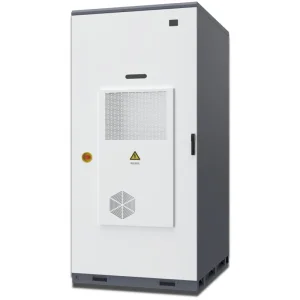
High-efficiency solar cells generate power during peak sunlight hours. When paired with smart LiFePO4 energy storage systems, factories can store excess generation and discharge it during peak electricity rate periods, maximizing ROI and reducing peak demand charges from the grid.
For remote off-grid or weak-grid environments, integrating solar arrays with diesel generators, tracking brackets, and hybrid inverters ensures consistent industrial-grade electricity. Smart tracking brackets dynamically orient panels using GPS coordinates to smooth the solar generation curve throughout the day.
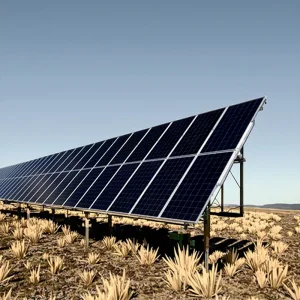
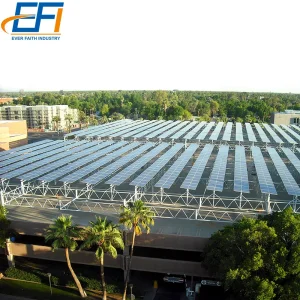
Utilizing high-efficiency cells allows for lower layout footprint requirements. Carbon steel carport structure mounting systems allow logistics yards and corporate headquarters to turn parking lots into local power generation plants while providing physical vehicle protection.
The backbone of a successful solar procurement strategy lies in the manufacturer’s supply chain resilience and technological infrastructure. By implementing the "Factory 4.0" framework, advanced Chinese production bases integrate automated processes, machine learning-driven quality control, and vertical integration to mitigate market volatility.
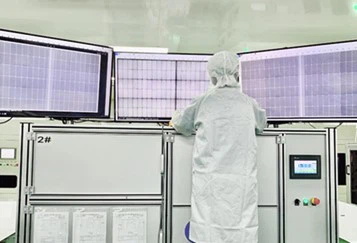
Modern production facilities utilize imported high-precision manufacturing systems from Italy and Japan. Automated machinery performs high-speed cell slicing, wafer testing, and precise metallization screen printing. Machine vision algorithms instantly inspect for micro-cracks, pinholes, and color non-uniformity at sub-millisecond speeds, ensuring that every solar cell shipped meets rigid aesthetic and performance parameters.
Vertical integration within the manufacturing pipeline allows the direct production of key components—from raw wafer sorting to completed solar system combinations, including lithium batteries, hybrid inverters, and portable power stations. This structural consolidation protects clients from supply line disruptions and guarantees uniform quality control.
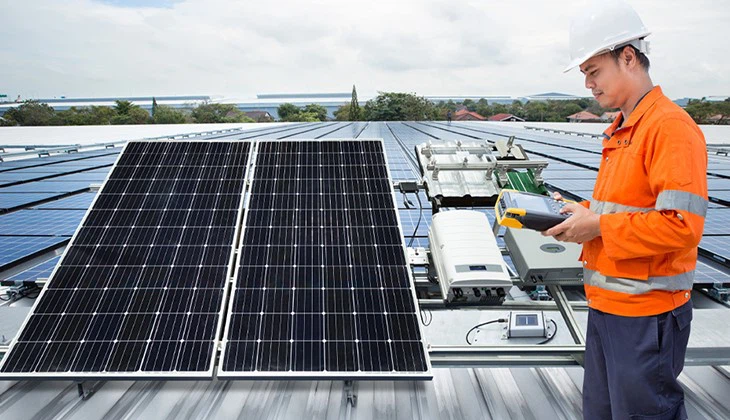
Deploying solar infrastructure globally requires navigating strict localized technical codes and import compliance frameworks. Without proper testing and documentation, project development can experience costly regulatory delays.
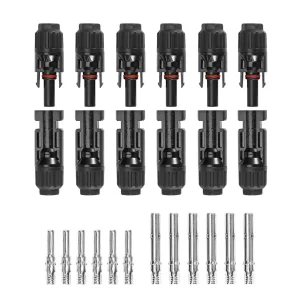
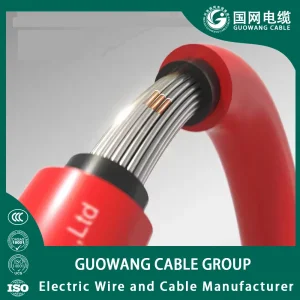
High-quality solar modules and system cabling must be certified to international standards. Our products conform to TUV, UL, and CE standards, including rigorous testing of 1500V DC Photovoltaic Cables (H1Z2Z2-K) and MC4-compatible waterproof connectors. These certifications verify electrical integrity, UV aging resistance, and flame-retardant performance under extreme outdoor environments.
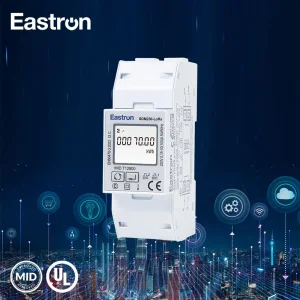
From smart energy meters (like the Eastron Lora wireless series) to hybrid utility-scale inverters, compliance with national grid codes (such as IEEE 1547 in the US or EN 50549 in Europe) is mandatory. We provide deep integration support, enabling smart telemetry, peak-valley scheduling, and remote monitoring compatibility to satisfy utility providers globally.
No two industrial energy projects are alike. Factors such as localized wind speeds, soil chemistry, shadow obstructions, and seasonal cloud cover dictate the structural and electrical architecture of a solar installation.
We work closely with Engineering, Procurement, and Construction (EPC) firms and energy project developers to supply tailored systems. Before order confirmation, our technical engineering team requires detailed site dimensions, localized geographical coordinates, and aerial photos of the installation site.
This data enables the generation of precise solar layouts, wind-loading structural analysis (for trackers and carports), and detailed single-line electrical schematics. While actual physical installation services are not directly provided on-site, comprehensive remote technical support and installation manuals are provided to guarantee smooth onsite execution by localized mechanical contractors.
Hangzhou RayBoost Solar Co., Ltd. is a professional manufacturer specializing in solar energy solutions, supported by advanced testing facilities and strong technical expertise. Located in Hangzhou, just about 50 minutes by high-speed train from Shanghai Airport, the company benefits from convenient transportation and a well-developed industrial environment, enabling efficient service for global customers.
RayBoost Solar is dedicated to providing comprehensive one-stop solar energy solutions to clients worldwide. The company’s business covers portable power stations, hybrid solar inverter systems for both on-grid and off-grid applications, energy storage systems, as well as integrated energy solutions for industrial, commercial, and residential use, including balcony solar systems. With its own manufacturing facilities, RayBoost Solar produces key components such as lithium batteries, solar inverters, portable power stations, and complete solar system combinations, ensuring reliable quality and supply chain control.
To maintain high standards, the company has introduced advanced automated production equipment from Italy and Japan. Combined with an experienced research and development team, RayBoost Solar continuously improves product performance, durability, and intelligent energy management capabilities, meeting the evolving demands of the global renewable energy market.
In terms of service, RayBoost Solar offers a full-process solution covering system design, production, sales, and after-sales support. Each project is customized according to the specific installation conditions. Before order confirmation, customers are required to provide site dimensions and photos, allowing the company to deliver accurate and optimized system solutions. While installation services are not included, detailed guidance and technical support are provided to ensure smooth project implementation.
Quality is a core priority at RayBoost Solar. All products undergo strict testing procedures and comply with international standards, ensuring safety, reliability, and long service life. Backed by solid manufacturing capabilities and a comprehensive quality control system, the company has built a strong reputation among its global partners. Looking ahead, RayBoost Solar is committed to promoting clean and sustainable energy worldwide. By delivering innovative, efficient, and environmentally friendly solar solutions, the company aims to become a trusted long-term partner for customers across different markets. Visitors and partners from around the world are warmly welcomed to collaborate and achieve mutually beneficial growth.
Browse through detailed technical and logistical responses regarding our OEM/ODM solar capabilities, custom manufacturing workflows, and logistics infrastructure.
N-Type TOPCon cells utilize tunnel oxide passivated contacts, resulting in a higher theoretical efficiency limit (>28.7% compared to PERC's 24.5%). Commercial production modules achieve 25.5%+ efficiency. Additionally, TOPCon cells exhibit zero Light-Induced Degradation (LID), lower annual power degradation rates (0.4% vs 0.55% for PERC), and a superior temperature coefficient (-0.30%/°C), ensuring higher energy yield in hot climates.
All core components undergo rigid QA testing in our advanced labs. Our manufacturing lines implement ISO 9001 quality management systems. Individual components, such as our PV solar panel cables, hold TUV and UL approvals, confirming they meet strict fire safety, current-carrying capacity, and weatherproofing specifications required for municipal and commercial installations.
To prepare an optimized electrical and structural design, we require: 1) Physical site dimensions and topographical profiles; 2) Aerial site photographs; 3) Geotechnical survey results (for ground installations); 4) Local grid connection voltage parameters; and 5) Local design requirements for wind and snow loads. Our engineering team uses this data to customize the structure, cabling, combiner box, and storage capacities.
Yes. Our headquarters in Hangzhou is located approximately 50 minutes via high-speed train from Shanghai Airport, putting us in close proximity to major deep-water shipping lanes and logistics networks. We offer comprehensive global logistics coordination, working with top-tier ocean carriers to deliver containerized solar systems and bulk cell shipments under FOB, CIF, or DDP terms.
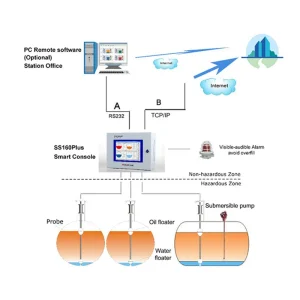
For hybrid systems utilizing diesel generators alongside high-efficiency solar cells and LiFePO4 batteries, our ATG automatic tank gauging system provides real-time fuel inventory telemetry. This allows operators to track microgrid fuel status remotely, automatically starting diesel generators only when battery levels drop during prolonged periods of low sunlight.
Explore our secondary line of specialized structural, analytical, and power transmission products built to secure and protect long-term solar assets.
 RayBoost Solar