The global transition toward sustainable utility grids and net-zero industrial production has progressed from a policy-driven goal to an economic necessity. Driven by carbon mitigation regulations, high Levelized Cost of Energy (LCOE) from traditional fossil sources, and the modernization of rural and commercial microgrids, global clean energy installations are breaking historic records annually. According to international energy reports, solar photovoltaic (PV) capacity alone constitutes more than two-thirds of all newly added power generation capacity worldwide.
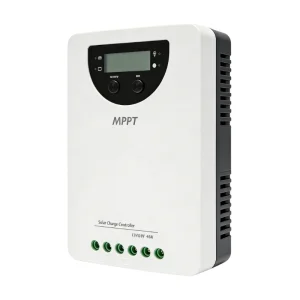
At the center of this rapid transition is China's clean energy supply chain. China has evolved from a basic manufacturing hub to the chief architect of global green tech scale. China's integrated logistics clusters, advanced research and development (R&D), and comprehensive vertical integration allow wholesale green energy suppliers to offer cost-competitive, high-performance equipment. This ranges from crystalline silicon PV panels and smart MPPT (Maximum Power Point Tracking) charge controllers to complex IoT-monitored water purification systems and predictive hydraulic architectures.
"Optimized supply chains in China allow global procurement agents to secure high-reliability equipment with a 30% to 45% capital expenditure (CAPEX) reduction compared to fragmented regional manufacturers. The key advantage is no longer just cost, but the vertical integration of hardware with IoT telemetry."
This dynamic positioning allows international project developers, municipal planners, and commercial distribution channels to deploy systems with high efficiency. Selecting a premium Chinese wholesale supplier ensures that balance-of-system (BOS) components operate in harmony. High quality standards prevent premature failures, which could otherwise jeopardize long-term return on investment (ROI) in harsh environmental conditions.
Modern clean energy products are evolving beyond isolated hardware components into highly integrated ecosystems. Historically, PV systems only generated raw power, leaving grid adaptation to external substations. Today's hardware leverages integrated logic controllers, IoT sensors, and high-frequency power electronics to deliver grid-adaptive, intelligent energy management. We identify four core trends leading this evolution:
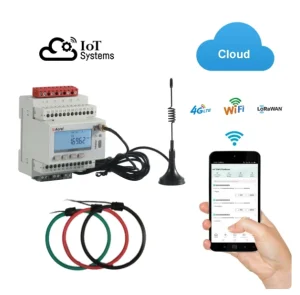
Modern systems embed Wi-Fi, 4G, or LoRaWAN communication units directly into power converters, smart meters, and reverse osmosis units. This permits remote performance tracking, cloud-based telemetry, and fast troubleshooting over geographic distances.
By monitoring thermodynamic loads, operational vibration, and electrical shifts, predictive algorithms identify system issues before failure occurs. This turns reactive repairs into scheduled maintenance, protecting overall equipment life.
Utilizing Wide Bandgap (WBG) semiconductors, such as Gallium Nitride (GaN) and Silicon Carbide (SiC), next-generation inverters and charge controllers achieve over 98.5% conversion efficiency. This reduces thermal stress and shrinks unit footprints.
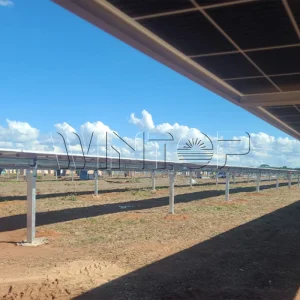
Furthermore, structural developments in mechanical tracking systems, like single and dual-axis solar trackers, allow PV projects to adjust their angles dynamically. This maximizes solar irradiance throughout the day, increasing energy yield by up to 25% compared to static structures. When paired with smart cleaning mechanisms and optimized balance-of-system hardware, system degradation drops significantly over its typical 25-year service life.
Green energy products do not follow a single, universal design. Environmental conditions, grid configurations, and utility pricing models vary widely across regions. Successful implementations rely on selecting configurations optimized for specific regional deployment scenarios.
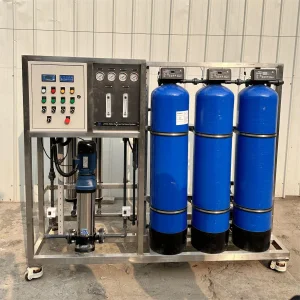
For areas far from central power lines, combining off-grid PV arrays, wind turbines, and energy storage is highly effective. Multi-stage water purification (RO systems) powered by local solar arrays provides clean drinking water and agricultural irrigation without depending on diesel generators.
Urban commercial hubs often face high peak demand charges. Installing smart hybrid solar systems with three-phase power monitoring allows businesses to draw stored solar power during peak times. This helps balance local grid loads and reduces utility expenses.
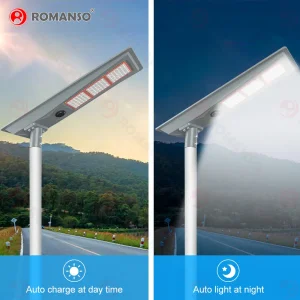
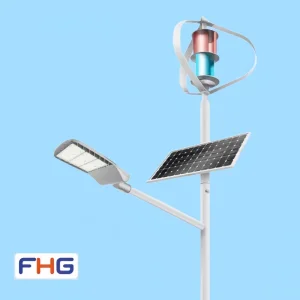
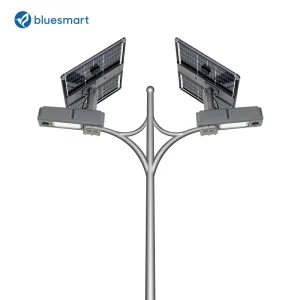
Modern highway networks and municipal developments utilize integrated solar street lighting. Equipped with IP68 waterproof ratings, built-in lithium batteries, and smart wind-hybrid systems, these street lights run reliably through extended periods of rain and snow without requiring underground cabling.
The renewable energy sector is moving quickly toward advanced material integrations and intelligent power distribution networks. By looking at current developments, we can outline the technology roadmap for the next decade. Over this period, clean energy is expected to transform from a secondary power option into the primary foundation of the global power grid.
A key focus is the transition to N-type TOPCon and Perovskite-Silicon tandem solar cells. These cells break past the traditional efficiency limits of standard P-type silicon, targeting solar conversion efficiencies above 30%. In tandem, battery chemistry is shifting from standard Lithium Iron Phosphate (LFP) to solid-state batteries. This transition will help double energy densities while improving safety and cycle life in high-temperature environments.
Another major driver is the digitalization of distribution grids. The use of Virtual Power Plants (VPPs) and AI-driven predictive control enables microgrids to trade excess energy autonomously. These systems analyze local weather forecasts, historic consumption, and energy price shifts to optimize charge cycles, helping to protect battery longevity and stabilize local grids.
To assist global commercial buyers and engineering partners in selecting system designs, our technical team highlights three macro solutions tailored to common project requirements:
Hangzhou RayBoost Solar Co., Ltd. is a professional manufacturer specializing in solar energy solutions, supported by advanced testing facilities and strong technical expertise. Located in Hangzhou, just about 50 minutes by high-speed train from Shanghai Airport, the company benefits from convenient transportation and a well-developed industrial environment, enabling efficient service for global customers.
RayBoost Solar is dedicated to providing comprehensive one-stop solar energy solutions to clients worldwide. The company’s business covers portable power stations, hybrid solar inverter systems for both on-grid and off-grid applications, energy storage systems, as well as integrated energy solutions for industrial, commercial, and residential use, including balcony solar systems. With its own manufacturing facilities, RayBoost Solar produces key components such as lithium batteries, solar inverters, portable power stations, and complete solar system combinations, ensuring reliable quality and supply chain control.
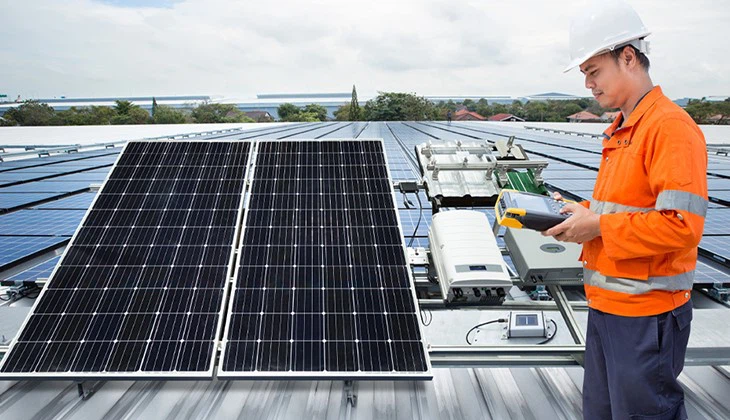
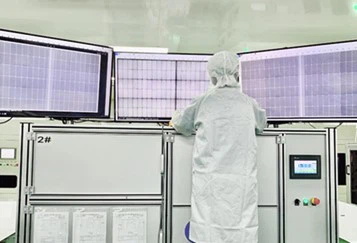
To maintain high standards, the company has introduced advanced automated production equipment from Italy and Japan. Combined with an experienced research and development team, RayBoost Solar continuously improves product performance, durability, and intelligent energy management capabilities, meeting the evolving demands of the global renewable energy market.
In terms of service, RayBoost Solar offers a full-process solution covering system design, production, sales, and after-sales support. Each project is customized according to the specific installation conditions. Before order confirmation, customers are required to provide site dimensions and photos, allowing the company to deliver accurate and optimized system solutions. While installation services are not included, detailed guidance and technical support are provided to ensure smooth project implementation.
Quality is a core priority at RayBoost Solar. All products undergo strict testing procedures and comply with international standards, ensuring safety, reliability, and long service life. Backed by solid manufacturing capabilities and a comprehensive quality control system, the company has built a strong reputation among its global partners.
Looking ahead, RayBoost Solar is committed to promoting clean and sustainable energy worldwide. By delivering innovative, efficient, and environmentally friendly solar solutions, the company aims to become a trusted long-term partner for customers across different markets. Visitors and partners from around the world are warmly welcomed to collaborate and achieve mutually beneficial growth.
 RayBoost Solar