Premium class components recommended by energy audit professionals to optimize utility-scale, industrial, and residential solar systems.
Analyzing energy audit mandates, legislative frameworks, and optimization strategies for commercial enterprises globally.
Global industrial structures are undergoing a radical shift driven by stringent carbon mitigation mandates and volatile energy markets. In the European Union, the Energy Efficiency Directive (EED) mandates large enterprises to undergo regular energy audits conforming to EN 16247-1 standards. Concurrently, US markets look toward ASHRAE Level I, II, and III energy audits to establish energy performance indicators (EnPIs). Implementing a CE Certified energy audit service is no longer merely a compliance ritual; it is a critical strategy to maintain operational profitability.
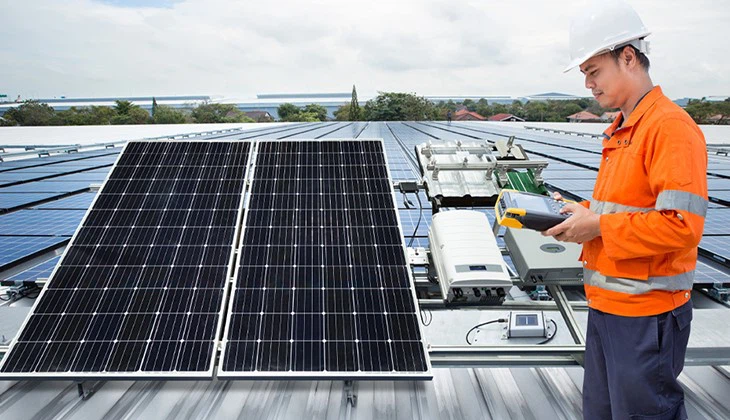
For manufacturers and suppliers, an audit exposes hidden inefficiencies in HVAC, motors, steam systems, and electrical distribution lines. However, the modern audit extends beyond passive diagnostics. It combines high-precision metering hardware with real-time data modeling to evaluate the feasibility of solar integration, energy storage systems (ESS), and demand-side load shifting.
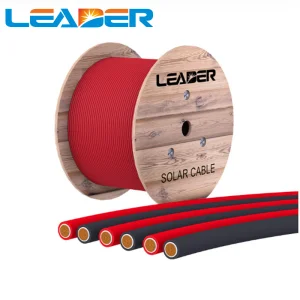
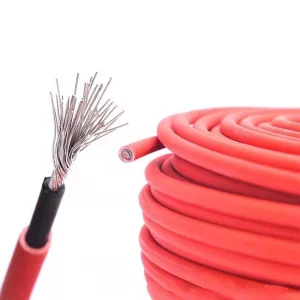
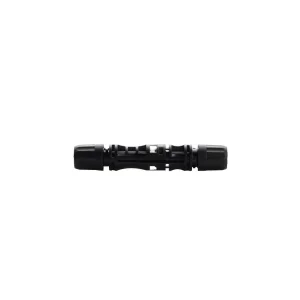
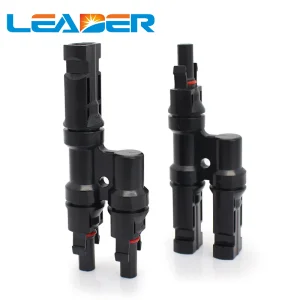
A frequent failure point in commercial energy strategies is the disconnect between diagnostic reports and component implementation. Selecting substandard cables, unoptimized MPPTs, or low-grade connectors results in significant transmission losses that distort theoretical audit projections. High-voltage infrastructure demands specialized components such as 2000V UV-resistant cables and heavy-duty branch connectors. When choosing an energy audit partner, check if their supply ecosystem integrates directly with CE-marked diagnostics and tier-one manufacturing components to ensure hardware-level system reliability.
Combining AI-driven cloud diagnostics with rugged hardware components for long-term sustainability.
Modern audits leverage localized sensors and smart-grid controllers to map power distribution, active/reactive load demands, and total harmonic distortion (THD).
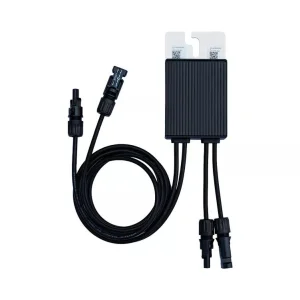
Implementing intelligent optimizers at the PV module level ensures localized shading or structural mismatches do not degrade the performance of the entire system.
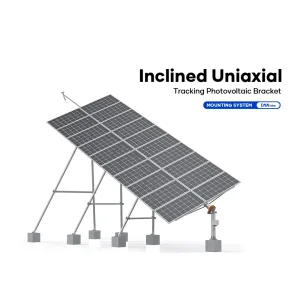
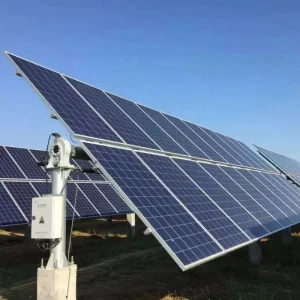
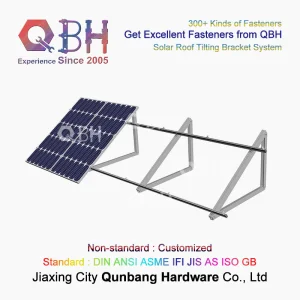
Integrating mechanical tracking systems aligns the PV array with optimal solar angles, maximizing yield per square meter of industrial space.
How CE certified energy audit services and specialized solar hardware resolve real-world commercial challenges.
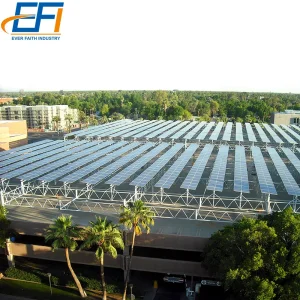
Urban commercial buildings often lack the massive roof spaces required for traditional utility-scale solar setups. In response, energy audits frequently recommend micro-grid setups or balcony solar configurations. Utilizing micro-inverters combined with precise DC cabling enables small-scale, modular power generation. By running energy audits on these compact units, multi-family housing complexes and urban offices can reduce communal energy costs by 15-20% without needing complex roof lease permits.
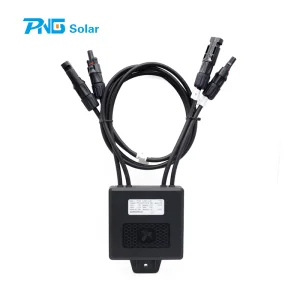
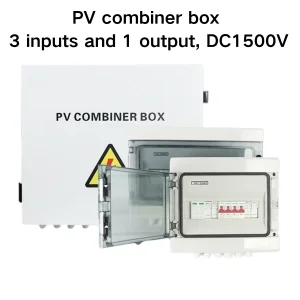
For remote mining operations or agricultural sites, connection to a centralized grid is either economically unfeasible or structurally impossible. A comprehensive energy audit in these contexts evaluates peak operational current, environmental fluctuations, and battery storage capacities. Transitioning to custom ground-mount tracker systems paired with robust outdoor combiner boxes ensures that harsh winds, extreme heat, and sand storms do not disrupt continuous power delivery.
In heavy manufacturing plants, electric motor systems and localized HVAC chilling setups often represent up to 70% of the total energy footprint. CE-certified energy auditing services deploy specialized thermal imaging and power analyzers to diagnose structural heat losses and power factors. Recommendations usually include the deployment of high-frequency variable speed drives (VSD) combined with localized power optimizers, protecting valuable capital machinery and improving the facility's power factor toward 0.99.
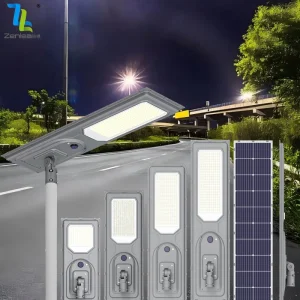
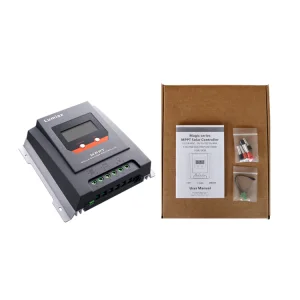
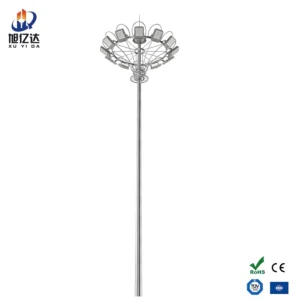
Municipalities managing vast roadway systems face substantial fiscal strain from old mercury-vapor or high-pressure sodium street lamps. Energy audits identify these locations as low-hanging fruit for dynamic, autonomous solar systems. Integrating die-cast aluminum, IP65/IP67 waterproof solar LED streetlights reduces municipal grid draws to zero. Utilizing these systems with intelligent MPPT charging controllers ensures reliable street lighting even through extended periods of rainy weather.
Hangzhou RayBoost Solar Co., Ltd. is a professional manufacturer specializing in solar energy solutions, supported by advanced testing facilities and strong technical expertise. Located in Hangzhou, just about 50 minutes by high-speed train from Shanghai Airport, our company benefits from convenient transportation and a well-developed industrial environment, enabling efficient service for global customers.
To maintain high standards, we have introduced advanced automated production equipment from Italy and Japan. Combined with an experienced research and development team, RayBoost Solar continuously improves product performance, durability, and intelligent energy management capabilities, meeting the evolving demands of the global renewable energy market.
Our business covers portable power stations, hybrid solar inverter systems for both on-grid and off-grid applications, energy storage systems, as well as integrated energy solutions for industrial, commercial, and residential use, including balcony solar systems. With our own manufacturing facilities, we produce key components such as lithium batteries, solar inverters, portable power stations, and complete solar system combinations, ensuring reliable quality and supply chain control.
RayBoost Solar offers a full-process solution covering system design, production, sales, and after-sales support. Each project is customized according to the specific installation conditions. Before order confirmation, customers are required to provide site dimensions and photos, allowing the company to deliver accurate and optimized system solutions. While installation services are not included, detailed guidance and technical support are provided to ensure smooth project implementation.
Quality is a core priority at RayBoost Solar. All products undergo strict testing procedures and comply with international standards, ensuring safety, reliability, and long service life. Backed by solid manufacturing capabilities and a comprehensive quality control system, the company has built a strong reputation among its global partners. Looking ahead, we are committed to promoting clean and sustainable energy worldwide by delivering innovative, efficient, and environmentally friendly solar solutions.
Clear, technically detailed answers to critical questions regarding energy audits and solar system components.
Explore our second selection of durable structural, wiring, and power management equipment designed for commercial PV systems.
 RayBoost Solar