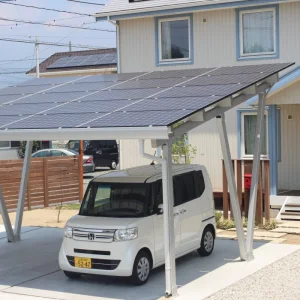
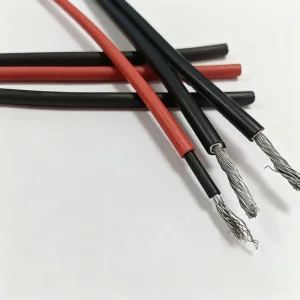
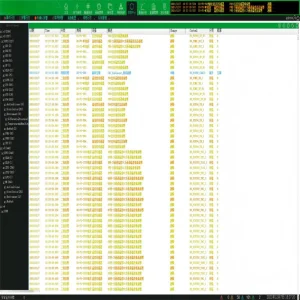
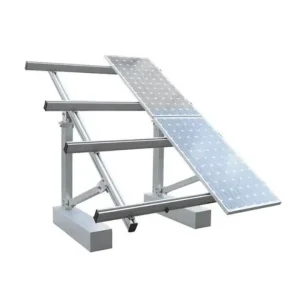
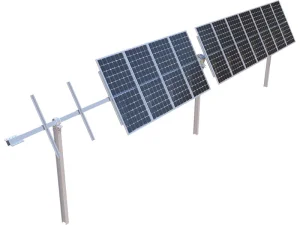
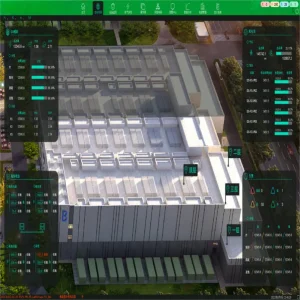
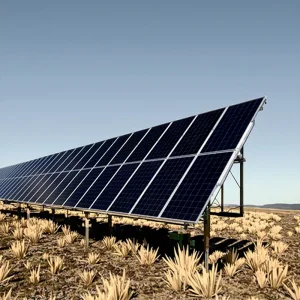
High-precision energy management components, solar structures, and intelligent power control nodes built for global utility and industrial deployments.
Bridging real-time edge telemetry with utility-grade Meter Data Management Systems (MDMS) for global energy transformation.
The modern electrical grid is undergoing a seismic structural paradigm shift. Driven by the rapid proliferation of distributed energy resources (DERs)—such as commercial rooftop solar arrays, localized battery energy storage systems (BESS), and electric vehicle (EV) charging infrastructure—traditional unidirectionally monitored grids are no longer sufficient. Energy utilities, municipal operators, and enterprise power managers require dynamic, real-time, bidirectional visibility. This critical operational mandate is fulfilled by Advanced Metering Infrastructure (AMI).
As a leading Original Equipment Manufacturer (OEM) and custom hardware supplier, our engineering framework integrates smart electronic metering hardware, multi-modal communication transceivers (NB-IoT, LTE-M, RF Mesh, and PLC), and secure Head-End Systems (HES). By providing tailored OEM/ODM manufacturing, we empower utility providers and industrial energy aggregators to eliminate commercial losses, automate demand-response programs, and fortify grid resilience against peak load volatility.
Exploring the architectural progression from Automatic Meter Reading (AMR) to Edge-AI-Enabled Smart Grid Ecosystems.
Modern OEM AMI meters leverage redundant dual-mode communication channels to ensure zero data packet loss across urban density and rural topography.
Shifting compute workloads directly into the smart meter micro-controller to perform waveform sampling and power quality disaggregation locally.
Intelligent AMI end-nodes interface with solar microinverters, battery control systems, and EV chargers to automate grid stabilization.
Deployable OEM hardware configurations tailored to specific operational environments and regulatory frameworks.
For state-owned and private electrical utilities facing high non-technical losses (NTL) and aging sub-station infrastructure. Our enterprise AMI solution provides end-to-end audit capabilities from distribution transformers down to end-consumer meters.
Designed for multi-tenant commercial complexes and industrial manufacturing zones demanding high-precision sub-metering, peak demand management, and power factor correction monitoring.
Deploying smart metering infrastructure alongside decentralized solar energy generation, battery storage systems, and remote power control modules.
Scalable low-power solutions powering smart street lighting networks, municipal water distribution monitoring, and centralized electric control systems.
Inside Hangzhou RayBoost Solar Co., Ltd.—Our State-of-the-Art Manufacturing Facility and Global Quality Assurance Engine.
Company Profile
Hangzhou RayBoost Solar Co., Ltd. is a professional manufacturer specializing in solar energy solutions, supported by advanced testing facilities and strong technical expertise. Located in Hangzhou, just about 50 minutes by high-speed train from Shanghai Airport, the company benefits from convenient transportation and a well-developed industrial environment, enabling efficient service for global customers.
RayBoost Solar is dedicated to providing comprehensive one-stop solar energy solutions to clients worldwide. The company’s business covers portable power stations, hybrid solar inverter systems for both on-grid and off-grid applications, energy storage systems, as well as integrated energy solutions for industrial, commercial, and residential use, including balcony solar systems. With its own manufacturing facilities, RayBoost Solar produces key components such as lithium batteries, solar inverters, portable power stations, and complete solar system combinations, ensuring reliable quality and supply chain control.


To maintain high standards, the company has introduced advanced automated production equipment from Italy and Japan. Combined with an experienced research and development team, RayBoost Solar continuously improves product performance, durability, and intelligent energy management capabilities, meeting the evolving demands of the global renewable energy market.
In terms of service, RayBoost Solar offers a full-process solution covering system design, production, sales, and after-sales support. Each project is customized according to the specific installation conditions. Before order confirmation, customers are required to provide site dimensions and photos, allowing the company to deliver accurate and optimized system solutions. While installation services are not included, detailed guidance and technical support are provided to ensure smooth project implementation.
Quality is a core priority at RayBoost Solar. All products undergo strict testing procedures and comply with international standards, ensuring safety, reliability, and long service life. Backed by solid manufacturing capabilities and a comprehensive quality control system, the company has built a strong reputation among its global partners.
Looking ahead, RayBoost Solar is committed to promoting clean and sustainable energy worldwide. By delivering innovative, efficient, and environmentally friendly solar solutions, the company aims to become a trusted long-term partner for customers across different markets. Visitors and partners from around the world are warmly welcomed to collaborate and achieve mutually beneficial growth.
Meeting stringent international standards for power metering accuracy, cybersecurity, and grid interconnectivity.
Our OEM metering solutions native-support all key utility protocols, enabling frictionless integration into third-party Head-End Systems (HES) and Meter Data Management (MDM) platforms.
With smart meters representing potential attack vectors for power grids, our hardware architecture incorporates enterprise-grade cryptographic security modules.
Built to withstand extreme climate conditions, voltage surges, and electromagnetic interference in rugged field installations.
Tailored hardware engineering and microcode adaptation for global utility tenders and private label clients.
| Module Category | Standard Specifications | Customizable OEM Options | Target Operational Domain |
|---|---|---|---|
| Metrology Board | Class 1.0 Active Energy Metering; Direct 5(60)A | Class 0.5S / 0.2S; CT-operated 1(6)A; Custom Shunt/CT configurations | Residential, C&I, and Substation Grid Nodes |
| Communication Modem | NB-IoT (Band 3, 5, 8, 20) with 2G Fallback | Dual eSIM; LTE Cat-M1; Wi-SUN RF Mesh (868/915 MHz); Hybrid G3-PLC | Rural Off-grid & Dense Urban Smart Cities |
| Enclosure & Terminal Block | Polycarbonate UV-stabilized, IP54 rating | Clear Flame-retardant PC (UL94-V0); IP65/IP67; Custom Brand Laser Engraving | High Humidity & Outdoor Industrial Enclosures |
| Disconnect Relay | Internal Latching Relay (80A single-phase) | 100A Heavy-duty Dual-pole Relay; External Contactor Interface; Remote/Local Lockout | Prepaid Metering & Remote Load Shedding |
| Firmware & Protocols | DLMS/COSEM Push Mode; Standard TOU (4 Tariffs) | Custom DLMS OBIS codes; Proprietary MQTT/RESTful API bridges; Dynamic Billing Cycles | Utility MDMS Systems & Private BEMS Software |
In-depth technical answers for procurement directors, grid engineers, and enterprise partners.
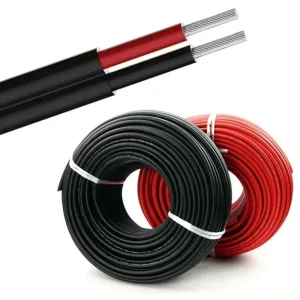
Explore our broader portfolio of solar mounting structures, smart tracking systems, cabling, and monitoring modules.
 RayBoost Solar