Many homeowners wonder, "Why does my solar inverter make a buzzing noise?" This common concern can arise from several factors. As Mike Thompson, a solar energy expert from EcoTech Innovations, notes, "A buzzing inverter often signals normal operation, but it can also indicate other issues."
Inverters convert solar energy into usable electricity. During this process, some noise is typical. However, it's essential to understand when this buzzing is a red flag. The sound can stem from electrical components, inverter cooling, or even external influences like wind.
Understanding the reasons behind the buzzing noise can ensure your system's longevity. If ignored, it might lead to bigger issues. Regular maintenance and checks can help catch any potential problems early. Listening closely will guide you in properly addressing your inverter's health.
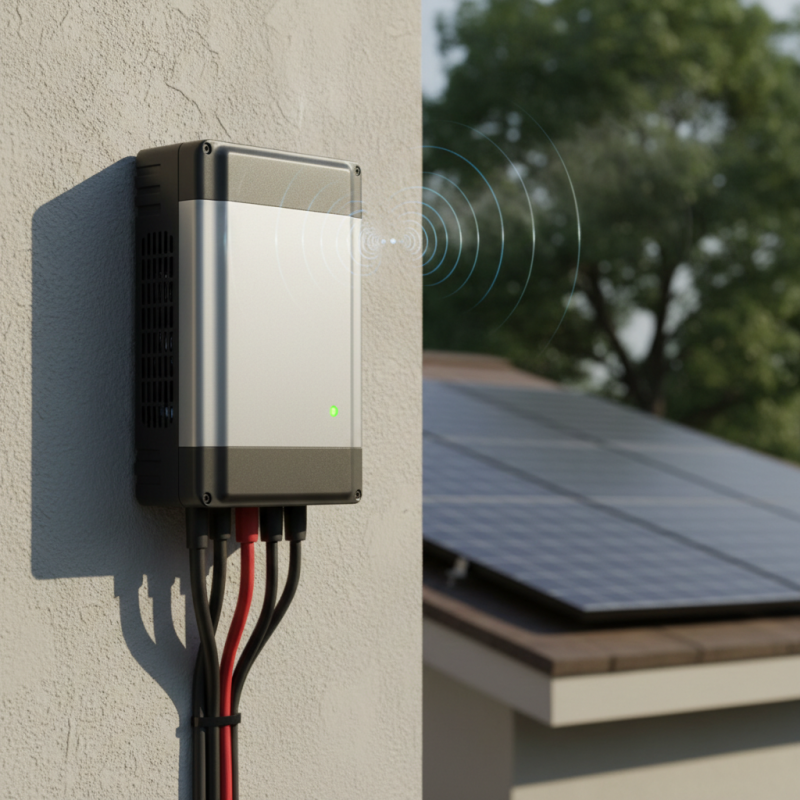
Solar inverters can produce a buzzing noise, which may concern homeowners. Understanding why this happens is essential for proper maintenance. One common cause is the switching frequency of the inverter. According to the National Renewable Energy Laboratory, inverters typically switch at frequencies ranging from 1 kHz to 20 kHz. This operation can lead to a buzzing sound due to electromagnetic vibrations.
Another factor contributing to the noise is loose components within the inverter. As an inverter ages, screws or mounting hardware may loosen. This can create additional vibrations, amplifying the buzzing sound. It's noted in industry reports that proper installation and regular maintenance can reduce such issues by up to 30%. Having a professional conduct routine checks could be a proactive approach. Furthermore, some buzzing may arise from nearby electrical components, such as transformers. These devices can emit their own sound, sometimes confusing homeowners.
Not all buzzing is indicative of a problem. Minor sounds are typical during operation. However, persistent or loud noises warrant investigation. Monitoring this can help catch potential failures early. Homeowners should remain vigilant. Regular inspections might uncover issues before they escalate.
Solar inverters play a crucial role in converting direct current (DC) from solar panels into alternating current (AC) for home appliances. This process involves intricate electronic components that can emit sounds during operation. The buzzing noise often heard can be attributed to several factors related to their functionality. For instance, the inverter's switching mechanisms create electrical frequencies that sometimes manifest as an audible buzz. This sound is not always a cause for concern but reflects the inverter's activity.
Additionally, environmental factors can influence noise levels. When temperatures rise or if the inverter is poorly ventilated, components may vibrate or expand, leading to increased sound emission. Some buzzing may occur during peak operational times or when voltage spikes happen. Audibly fluctuating sounds can also signal electrical imbalance, which merits further investigation. While many sounds are normal, persistent or loud noises might require professional assessment to ensure the inverter operates efficiently.
The following bar chart illustrates the common reasons for buzzing noises generated by solar inverters, highlighting their impact and frequency.
The electrical load on a solar inverter significantly impacts noise levels. When the load fluctuates, the inverter adjusts its operations. A higher load often means the inverter works harder. This change can lead to noticeable buzzing or humming noises.
Variations in the electrical load can be caused by different factors. For example, running multiple appliances simultaneously creates a sudden surge. This spike can amplify the inverter’s sound output. Additionally, non-linear loads, such as those from variable-speed motors, can produce unique sound patterns. Understanding these dynamics can help users anticipate noise variations.
Many users may find these sounds concerning. However, some degree of noise is normal. If buzzing becomes excessively loud, it might indicate underlying issues. Regular maintenance and attention to the inverter's condition are crucial. They can help ensure that noise levels remain within a tolerable range.
A buzzing noise from your solar inverter can indicate underlying issues. Various factors contribute to this peculiar sound. One common reason is electromagnetic interference. When electronic components interact, they can create vibrations and noise.
Another potential fault is loose wiring. If connections are not secure, it can lead to buzzing. Inspect the inverter and check for any visible wear or damage. Additionally, high-frequency buzzing may result from switching power supplies. These components are essential in converting direct current to alternating current. Any malfunction can amplify the noise.
Environmental conditions also play a role. Extreme temperatures or humidity can affect inverter performance. It’s crucial to ensure proper ventilation around the unit. Regular maintenance might not be a guarantee against buzzing, but it helps reduce potential faults significantly. Keep an eye on your inverter's performance and document any changes. This proactive approach can save you from larger issues down the line.
Buzzing noises from solar inverters can be concerning for homeowners. These sounds often arise from the device's internal components. Understanding how to reduce or eliminate this noise is crucial for long-term satisfaction with solar energy systems.
One effective approach is to ensure proper installation of the inverter. Following guidelines from the Solar Energy Industries Association indicates that correctly mounting the inverter can minimize vibrations. Additionally, ensuring the inverter operates within its optimal temperature range, typically between 0°C and 50°C, can help reduce noise. High temperatures may lead to increased fan activity, resulting in more buzzing sounds.
Regular maintenance is another key factor. A clean inverter can operate more efficiently and quietly. Dust accumulation can cause overheating and stress on internal parts, leading to unwanted noise. Engaging a qualified technician for periodic checks can enhance the lifespan of the inverter and reduce operational sounds.
Reports suggest that inverters with advanced technology emit significantly lower noise levels, illustrating the importance of investing in quality components. Taking these steps can lead to a quieter solar experience.
: Buzzing often results from the inverter's switching frequency, typically between 1 kHz and 20 kHz.
Yes, loose screws or mounting hardware may create vibrations, increasing the buzzing noise.
No, minor sounds are normal. Persistent or loud noises may require further investigation.
Regular maintenance and proper installation can reduce noise problems by up to 30%.
Yes, higher loads often cause the inverter to work harder and produce more noticeable sounds.
If sounds become very loud, it might indicate issues. Consider having a professional assess it.
Poor ventilation or high temperatures can cause components to vibrate and increase sound emission.
Yes, devices like transformers can emit sounds, which may confuse homeowners about the buzzing source.
The inverter converts DC from solar panels to AC for home appliances, and this process generates some noise.
Yes, they can be a result of changing electrical loads or operational peaks. Monitoring helps recognize patterns.
In the discussion about solar inverters, many users often wonder, "Why does my solar inverter make a buzzing noise?" This noise can be attributed to several common causes, such as normal operation sounds from the inverter's components, including transformers and heat sinks. Understanding how solar inverters function can shed light on their sound output and why the buzzing may vary with electrical load levels.
Additionally, potential faults within the inverter, such as loose connections or malfunctioning parts, may lead to increased noise. To address these issues, users can implement several tips to reduce or eliminate the buzzing, ensuring their solar system operates efficiently and quietly. By recognizing these factors, solar inverter owners can better understand the sounds their devices make and take appropriate action when necessary.

RayBoost Solar