As renewable energy solutions continue to gain traction, smart solar inverters play a vital role in optimizing solar energy systems. According to a report by MarketsandMarkets, the global solar inverter market is projected to reach $17.5 billion by 2026, driven by innovative technologies. How do smart solar inverters improve efficiency? These devices enhance energy conversion rates, facilitating more effective use of solar power.
Smart solar inverters utilize advanced algorithms and real-time data to manage energy flow. They monitor performance and adjust settings, ensuring optimal operation. For instance, some models achieve efficiency rates exceeding 98%. Their ability to analyze and respond to environmental conditions sets them apart from traditional inverters. Despite these advancements, there remains a need for continuous improvement in technology. Challenges like grid integration and long-term maintenance could affect overall performance.
These inverters also contribute to system reliability. By detecting abnormalities, they prevent potential failures. However, their complexity can lead to installation challenges. Thus, ongoing education and support for installers are essential. Ultimately, as the market grows, a commitment to innovation and quality will determine the impact of smart solar inverters on energy efficiency.
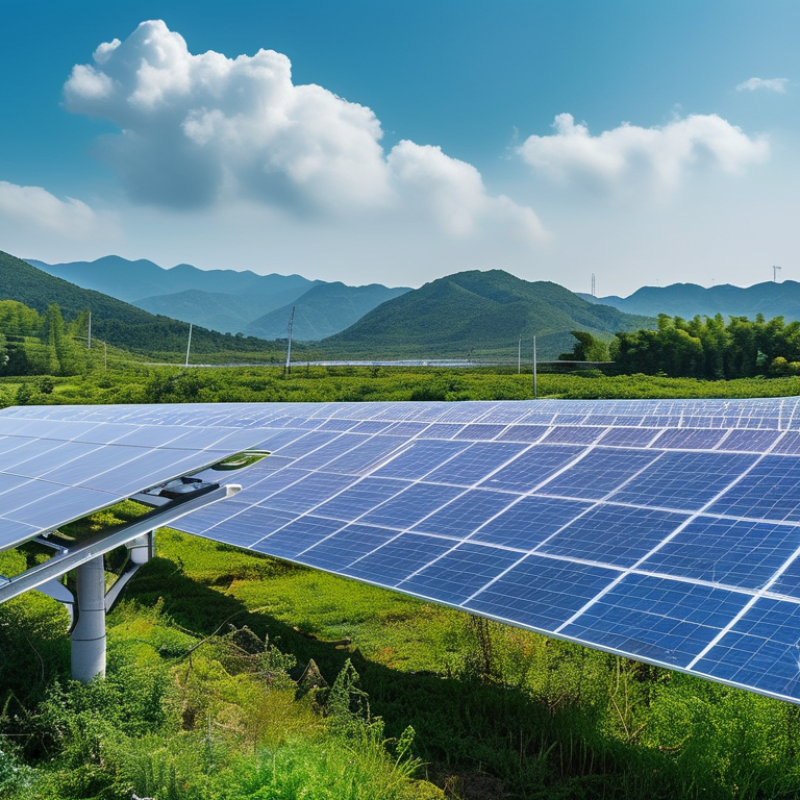
Overview of Smart Solar Inverters in China
Smart solar inverters are changing the energy landscape in China. They manage solar power generation, improve efficiency, and ensure optimal usage. Increasingly sophisticated, these inverters adapt to varying solar conditions. They also integrate smart technology, allowing for remote monitoring and management. This level of control enhances energy savings and performance.
When selecting a smart solar inverter, energy efficiency should be a priority. Evaluating the inverter’s efficiency rating can yield significant savings over time. Look for models that minimize energy loss and maximize output. Furthermore, consider compatibility with existing systems and future upgrades. Investing in a reliable inverter is crucial for long-term performance.
Keep in mind that not all inverters are created equal. Research is essential before making a decision. Read user reviews and case studies to understand different products' real-world efficiency. Additionally, investigate the warranty and support options available. A knowledgeable supplier can help answer technical questions and provide guidance tailored to your needs.
Criteria for Evaluating Solar Inverter Efficiency
Evaluating solar inverter efficiency is crucial for maximizing energy output. Some key criteria include conversion efficiency, durability, and grid compatibility. According to the National Renewable Energy Laboratory, high-quality inverters achieve conversion efficiencies of 95% or higher. This efficiency directly impacts the energy harvested from solar panels.
Durability is another essential factor. Inverters need to withstand dust, moisture, and temperature fluctuations. A report from the Solar Energy Industries Association indicates that inverters typically have a lifespan of 5 to 15 years. Regular maintenance can help extend this lifespan.
Grid compatibility plays a vital role as well. Inverters must synchronize with the grid to prevent disruptions. The California Energy Commission emphasizes the necessity of having inverters that meet specific interconnection standards. A failure to comply can lead to reduced system performance. These considerations highlight the importance of informed choices in solar inverter selection.
Top 10 Smart Solar Inverters in China: Features and Innovations
In recent years, smart solar inverters have revolutionized energy efficiency in China. These devices not only convert solar energy into usable electricity but also enhance performance through advanced features. According to the China Electric Power Research Institute, the adoption of smart inverters has increased by over 30% year-on-year, reflecting their growing importance in solar energy systems.
Innovation is at the heart of these inverters. Many incorporate real-time monitoring, enabling users to track energy production and identify issues quickly. For instance, advanced algorithms optimize energy output, leading to efficiency gains of up to 10%. Additionally, some models feature AI-based predictive maintenance, alerting users before potential failures occur. This proactive approach is crucial for maximizing solar investments and enhancing system reliability.
Tips: When selecting smart solar inverters, consider those with excellent warranty conditions. A well-structured warranty can ensure long-term reliability. Monitoring features can significantly impact energy savings over time. Look for inverters that offer user-friendly mobile applications to manage system performance effectively. Remember, investing wisely today leads to greater benefits tomorrow.
Performance Comparisons: Efficiency Ratings of Each Inverter
When evaluating smart solar inverters, efficiency ratings stand out as a key metric. Various models in the market claim high efficiency, but not all meet expectations. Some inverters range from 95% to over 99%, demonstrating substantial differences. Users must understand that even minor variations can impact long-term energy production and savings.
Comparisons often reveal that different environments influence efficiency performance. For instance, inverters perform better in sunny regions compared to areas with frequent cloud cover. Factors like temperature and inverter design also play critical roles.
While some models show consistent efficiency, others may dip under specific conditions. This inconsistency can lead to frustrations for consumers relying on optimal performance.
Understanding these performance nuances is essential. Decision-makers should critically assess efficiency ratings and consider real-world applications. Some inverters may look appealing on paper but fall short in practical settings. This reality reminds users to conduct thorough research before investing in solar technology.
Prioritizing reliability and efficiency requires careful thought and discernment.
Future Trends in Smart Solar Inverter Technology in China
Smart solar inverters are changing the energy landscape in China. These devices enhance solar panel performance, converting sunlight into usable electricity. The future holds exciting trends that could redefine energy consumption and management. Virtual power plants (VPP) will likely become more prevalent. By aggregating resources, VPPs enable homeowners to generate and sell electricity back to the grid. This creates a more interactive energy system.
One remarkable trend is the integration of artificial intelligence (AI). AI can optimize energy distribution. Smart inverters equipped with AI technology analyze real-time data. They respond to energy demands efficiently. This leads to better energy management and cost savings for consumers.
Tips: Consider how the integration of smart inverters can influence energy bills. Investing in technology that suits your energy needs is essential. Don't overlook energy storage systems that work seamlessly with inverters. Additionally, reflect on the importance of adapting to changing technologies in energy solutions. The next steps in solar innovation are vital for a sustainable future.
FAQS
: Smart solar inverters manage solar power generation, improving efficiency and ensuring optimal energy usage.
Energy efficiency impacts savings over time. High-efficiency models minimize energy loss and maximize output.
Read user reviews, case studies, and check efficiency ratings. Research warranty and support options thoroughly.
Prioritize real-time monitoring and user-friendly applications. These can enhance energy savings and performance management.
No, performance varies by location and conditions. Some inverters perform poorly in cloudy or cooler environments.
A strong warranty assures long-term reliability. It indicates the manufacturer's confidence in their product's durability.
Predictive maintenance alerts users before issues arise, preventing system failures and ensuring investment is protected.
Don’t rely solely on efficiency ratings. Consider real-world performance, environmental factors, and user experiences.
Yes, efficiency ratings can range from 95% to over 99%. Small differences can lead to substantial long-term savings.
Inverter design affects how well it operates under varying conditions. Some designs perform poorly under specific scenarios.
Conclusion
The article "China Top 10 Smart Solar Inverters that Boost Efficiency?" provides an in-depth exploration of the increasing role of smart solar inverters in China’s renewable energy sector. It begins with an overview of how these advanced devices work, emphasizing their significance in optimizing energy production. The evaluation criteria for solar inverter efficiency are outlined, focusing on performance metrics, adaptability, and technological innovations.
A detailed examination of the top 10 smart solar inverters showcases their unique features and innovations, highlighting how do smart solar inverters improve efficiency by maximizing energy conversion and enhancing system monitoring. The performance comparisons reveal efficiency ratings, offering insights into the effectiveness of each inverter. Lastly, the article discusses future trends in smart solar inverter technology in China, indicating ongoing advancements that promise to further enhance efficiency and sustainability in solar energy solutions.

 RayBoost Solar