China has become a major source of affordable solar equipment, with leading suppliers such as LONGi, JinkoSolar, Trina Solar, JA Solar, Canadian Solar, and Risen Energy serving global markets. Their panels may look straightforward to install. The complete system is not.
Many homeowners ask, “Can I install solar panels myself to save money?” The honest answer depends on your electrical skills, roof structure, local approval process, and willingness to accept safety risks. Solar educator and NABCEP technical advisor Bill Brooks has said, “A photovoltaic system is a power plant on your roof.” That short sentence deserves attention. Panels produce direct current, inverters manage high-voltage electricity, and rooftop work creates fall hazards. One loose connector can cause overheating. A poorly sealed roof penetration can leak after the first heavy storm.
This guide examines China’s top 10 solar panel suppliers, but it does not treat brand selection as the whole decision. Product warranties, certification documents, installer support, shipping damage, and replacement access matter just as much. A cheaper panel may become expensive if technical help is unavailable. I have also seen DIY plans underestimate racking, grounding, cable management, and monitoring equipment. That is where enthusiasm can outrun experience.
Some capable homeowners may complete limited tasks, such as mounting approved equipment under professional supervision. Grid connection and final inspection usually require qualified specialists. Rules vary by location. Check them before buying anything. Saving money is attractive, but reliable electricity, a dry roof, and personal safety deserve equal weight.
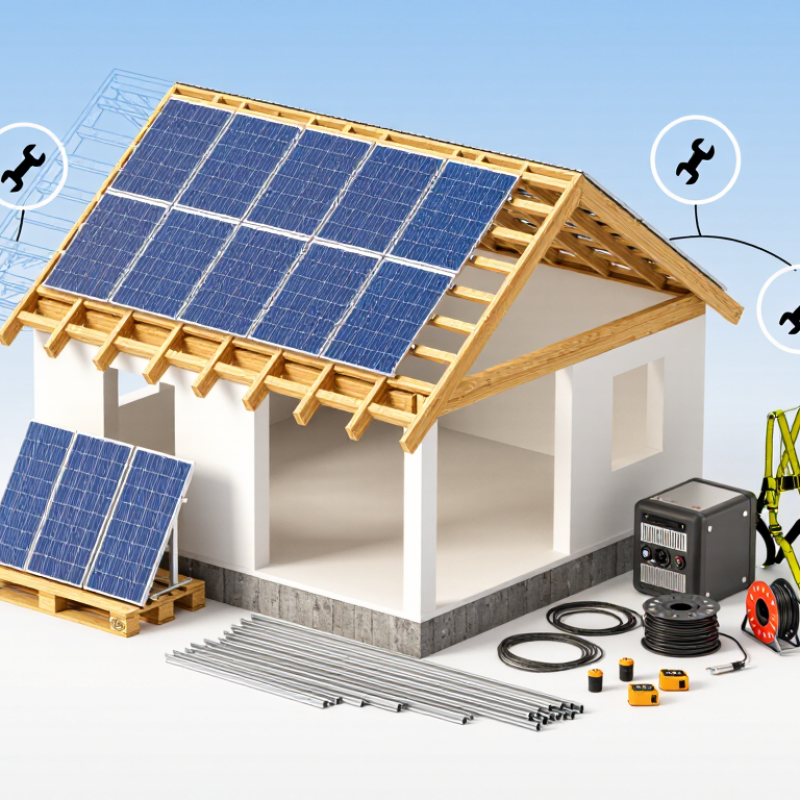
China’s top ten solar suppliers should not be ranked by shipment volume alone. Shipment data shows manufacturing scale, export reach, and supply consistency. However, high volume does not automatically prove dependable performance. I would compare audited production figures, third-party test reports, warranty response times, and failure records. Small details matter. A clear serial-number system helps trace a panel after installation. Stable electrical output in hot, humid conditions also reveals practical quality.
Bankability adds another layer. Lenders usually examine financial strength, warranty backing, insurance arrangements, and operating history across large projects. A supplier with fewer shipments may still appear stronger if its panels perform reliably for twenty years. Quality certifications are useful, but they are not the whole story. I have seen technical documents look impressive while after-sales communication remained slow. That weakness can become expensive when a rooftop system stops producing power.
Can you install these panels yourself? Technically, some homeowners can handle mounting and basic monitoring. Yet roof loading, high-voltage wiring, grounding, permits, and grid connection require qualified professionals in many regions. One loose connector can create heat beneath a panel. DIY work may also affect warranty protection or insurance coverage. A sensible approach is to select suppliers through shipment, quality, and bankability evidence, then let an experienced installer verify the design and final connections. My ranking method is useful, but imperfect. Local climate and service support still deserve more weight than a simple shipment chart.
Compare audited shipments, test reports, warranty response, and failure records. High volume shows scale, not guaranteed reliability. Small details matter. Serial numbers should support traceability after installation. Performance in hot, humid weather also matters.
Bankability reflects financial strength, warranty support, insurance, and long operating history. A smaller supplier may still appear stronger. Reliable performance over twenty years can outweigh shipment volume. Financial evidence should be checked carefully.
No. Certificates provide useful evidence, but they do not show every service weakness. Confirm the model number, testing laboratory, certificate scope, and issue date. Technical documents may look polished while communication remains slow. That gap can become costly.
Sometimes, depending on roof conditions, electrical skills, and local rules. Design, mounting, wiring, grounding, and testing all require care. Never work on energized circuits. A qualified professional should inspect final connections.
Check roof direction, shading, wind exposure, roof loading, and available space. Estimate daily energy use, not only advertised panel output. Make a simple drawing before equipment arrives. Real sunlight is rarely perfect.
Incorrect polarity, loose connectors, poor grounding, or mismatched cables can cause overheating. One loose connector can heat beneath a panel. Match cable sizes, connector types, and inverter limits. Stop there. Do not rush.
Local authorities may require building permits, electrical permits, inspections, or licensed installers. Grid-connected systems often need utility approval before energizing. Requirements may include approved inverters, disconnects, rapid shutdown, and export limits. Rules vary by location.
Request genuine IEC 61215 and IEC 61730 evidence when applicable. Check each document against the exact model number. Photograph labels, cables, and connections. Keep certificates, invoices, diagrams, and torque records together. Documentation helps, but it cannot replace inspection.
Label every cable and photograph each wiring stage. Record bolt torque values during mounting. Use weatherproof connectors and verify continuity and insulation. Test voltage in daylight without rushing. I might underestimate changing roof conditions again; safe access deserves more attention.
This guide examines how China’s top 10 solar panel suppliers compare by shipment volume, product quality, efficiency, degradation rates, warranty coverage, and overall bankability. It explains how to evaluate modules offering approximately 20–24% efficiency, annual degradation of no more than 0.5%, and reliable performance warranties. It also outlines the importance of checking roof structure, load capacity, array sizing, inverter compatibility, and 1,000–1,500 V DC electrical limits before purchasing equipment.
Can I install solar panels myself to save money? The article presents a careful DIY sequence covering system design, mounting, wiring, grounding, inspection, and testing. However, solar installation involves high-voltage DC electricity and structural risks, so qualified professionals should verify critical work. Readers are encouraged to confirm IEC 61215 and IEC 61730 compliance, obtain required permits, follow local grid-connection rules, and complete all electrical and safety checks before energizing the system.

 RayBoost Solar