10 Tips to Boost Low Solar Power Generation on Sunny Days?

Time:2026-05-09 Author:Madeline
0%

The efficiency of solar power systems is expected to reach 30% by 2025, according to the International Energy Agency. However, many users encounter a concerning issue: "Why is my solar power generation low on sunny days?" This paradoxical situation prompts a closer look at various factors affecting solar energy production.

Dust accumulation, shading, and temperature fluctuations can significantly hinder performance. The National Renewable Energy Laboratory (NREL) indicates that soiling can reduce energy output by up to 20%. Many homeowners overlook panel maintenance, leading to lower generation even in optimal sunlight. Furthermore, the angle and orientation of solar panels matter greatly. Inadequate installation may not capture the sun’s maximum rays.

It’s essential to recognize these hidden challenges. Understanding your system's limitations can help you address low generation issues effectively. Identifying the root causes will allow for better management, ultimately maximizing your investment in solar technology. By implementing the right strategies, you can increase your solar power outputs significantly, even on sunny days.
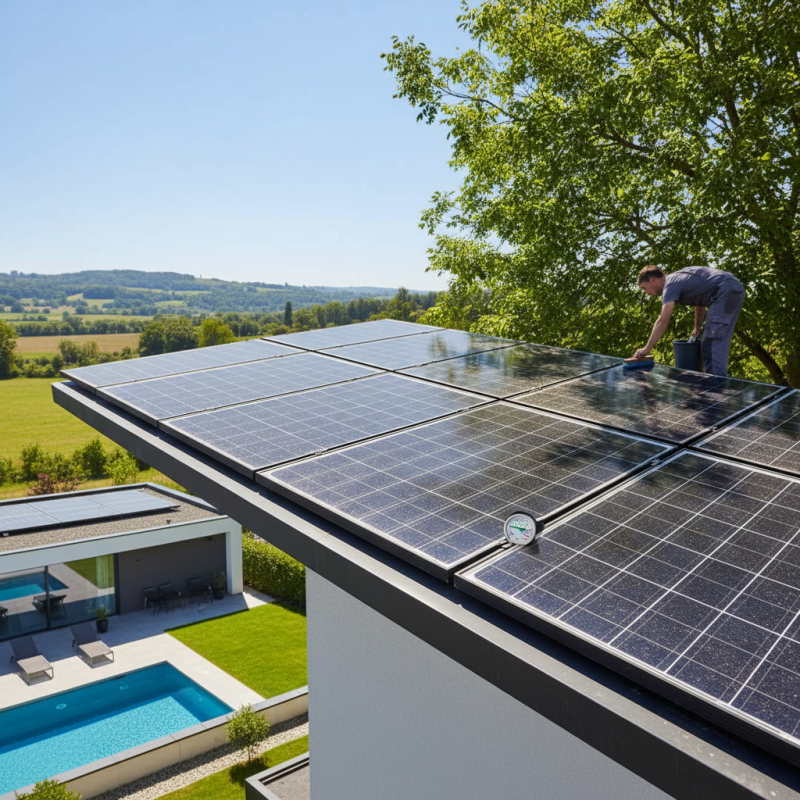
10 Tips to Boost Low Solar Power Generation on Sunny Days?

Understanding Low Solar Power Generation on Sunny Days

Many people assume that sunny days guarantee optimal solar power generation. However, there are several factors that can lead to unexpectedly low output even when the sun shines brightly. Dust accumulation on panels can obstruct sunlight. Regular maintenance is essential to ensure panels are clean. Simple cleaning methods can significantly enhance energy production.

Moreover, the angle of installation plays a significant role. If solar panels are not correctly angled towards the sun, they may capture less energy. Realigning panels based on seasonal shifts can help maintain efficiency. Temperature also impacts solar power output; high heat can reduce panel efficacy. While it seems counterintuitive, sometimes panels produce less energy in extreme heat.

Another factor is shading from nearby structures or trees. Even a small obstruction can lead to a drop in performance. It’s crucial to assess surrounding areas when installing solar systems. Not all sunny days are created equal. Understanding these nuances can help you maximize solar power generation and make informed adjustments.

Assessing System Performance: Identifying Underlying Issues

When assessing solar power generation, monitoring system performance is crucial. Many systems perform lower than expected on sunny days. This can arise from various factors, including shading, dirt accumulation, and equipment malfunctions. Regularly inspecting solar panels is essential. A dirty surface can cause a 20% drop in efficiency. Even small debris can cast shadows.

Voltage spikes may indicate underlying issues. Anomalies in energy output could stem from faulty inverters. Examine connections for wear and tear. Sometimes, aging components contribute to performance drops. Conducting regular maintenance will extend the lifespan of your system.

Temperature can also play a role. High temperatures may reduce the efficiency of solar panels. Ensuring adequate ventilation can help combat this problem. Using the right installation techniques can create space for air circulation. A little attention can lead to significant improvements. Review each component, and don't hesitate to ask for professional advice. Discovering and addressing issues proactively is key to optimizing solar power generation.

Optimizing Solar Panel Angle and Orientation for Maximum Efficiency

The angle and orientation of solar panels can significantly impact energy generation, even on sunny days. To maximize efficiency, it's crucial to adjust panels according to the sun's position. Solar panels are most effective when they face true south in the northern hemisphere. For those in the south, a northward orientation might be optimal. It’s all about capturing sunlight directly.

Adjusting the tilt angle of panels can further enhance power output. A general rule is to set the angle equal to your latitude for optimal results. However, this may not always yield the best performance during every season. During winter months, a steeper angle may help to capture more sunlight and reduce snow accumulation.

Many homeowners overlook these adjustments, leading to decreased energy production. Regularly checking the panel's position is important. Over time, trees, buildings, or even changes in landscaping can create new shadows. It’s essential to stay aware of these factors. Remember, even small adjustments can lead to improvements in energy generation. Keeping your solar setup optimized may require more attention than initially thought, but the benefits are well worth the effort.

10 Tips to Boost Low Solar Power Generation on Sunny Days

Tip Number Optimization Technique Impact on Power Generation (%) Notes
1 Adjust Panel Tilt Angle 10-15% Tilt panels to optimal angle based on season.
2 Optimize Orientation 5-10% Face panels directly toward the sun.
3 Regular Cleaning 15-20% Remove dust and debris that block sunlight.
4 Avoid Shading 20-30% Ensure no obstacles cast shadows on panels.
5 Use Tracking Systems 25-35% Install systems that follow the sun's path.
6 Monitor Weather Patterns Variable Adapt usage based on forecasted sunny days.
7 Install High-Efficiency Panels 15-25% Choose advanced technology for better output.
8 Utilize Energy Storage Variable Store excess power for use during low generation.
9 Check Inverter Efficiency 5-15% Ensure inverters are functioning optimally.
10 Optimize System Size Variable Ensure adequate capacity based on energy needs.

Utilizing Solar Trackers to Enhance Sunlight Exposure

Solar trackers can significantly improve solar power generation. They adjust the panel's position to follow the sun throughout the day. This technology can boost energy output by 20% to 50%, especially in sunny climates. According to the National Renewable Energy Laboratory, a single-axis solar tracker can increase energy collection efficiency, making optimal use of sunlight.

Trackers allow solar panels to capture more direct sunlight. This is crucial since solar energy production drops when panels are not oriented towards the sun. Data shows that more than 70% of solar energy potential can be lost due to fixed panel positioning. Incorporating trackers can mitigate this loss and enhance overall system performance. However, installation and maintenance costs can be a concern, leading some to question its overall feasibility.

Understanding the balance between costs and benefits is key. Solar trackers can increase energy yield, but they require careful consideration. They add mechanical components that may require more maintenance. For regions with variable weather patterns, such technology might not deliver the same efficiency as in consistently sunny areas. Choosing the right setup demands a thorough analysis of local conditions and energy needs.

Implementing Regular Maintenance for Improved Energy Output

Regular maintenance of solar power systems is essential to enhance energy production, especially on sunny days. According to the National Renewable Energy Laboratory (NREL), well-maintained solar panels can produce up to 30% more power than those that are neglected. Dust, dirt, and debris can significantly reduce efficiency. A simple cleaning routine can prevent substantial energy losses.

In addition to cleaning, checking connections and components is vital. A report by the Solar Energy Industries Association (SEIA) highlights that regular inspections help identify potential issues before they escalate. For instance, faulty wiring can lead to energy wastage. Routine checks should include inverter functionality and module performance to ensure that every part operates optimally.

Sometimes, the reliance on weather conditions can lead to unexpected dips in output. As pointed out by the International Energy Agency (IEA), environmental factors also affect solar energy generation. Regular maintenance allows for adaptation to these changes, helping mitigate losses. Investing time in these practices fosters greater reliability and improves overall energy yield, reinforcing the importance of ongoing system care.

10 Tips to Boost Low Solar Power Generation on Sunny Days

This chart illustrates the energy output of solar panels before and after implementing regular maintenance, highlighting the improvements in efficiency. The data reflects energy output in kilowatt-hours (kWh) collected over a sunny month.

FAQS

: Why might solar panels generate low power even on sunny days?

: Factors like dust, shading, and improper angle affect performance. Regular cleaning and adjustments are essential.

How does dust affect solar power generation?

Dust can block sunlight, causing a drop in efficiency by about 20%. Regular cleaning is crucial.

What role does the installation angle play?

Incorrect angles reduce sunlight capture. Realigning panels with seasonal changes can boost energy production.

Can temperature impact solar panel efficiency?

Yes, high temperatures can lower output. Proper ventilation helps maintain efficiency during extreme heat.

Why is shading a concern for solar panels?

Even minor shading from trees or buildings can significantly reduce performance. Assess surroundings before installation.

How often should solar panels be inspected?

Regular inspections are necessary. Dirt or debris can impact energy output, so check panels frequently.

What are signs of underlying issues in a solar system?

Voltage spikes and unexpected drops in energy output may indicate problems with inverters or connections.

Is professional maintenance advisable for solar systems?

Yes, seeking professional advice can help identify performance issues. Regular maintenance extends system lifespan.

Can small debris affect solar panel performance?

Yes, even small debris can create shadows and impact efficiency. It's important to keep panels clean.

What can I do to improve my solar energy production?

Regular cleaning, adjusting angles, and monitoring temperature will enhance efficiency and optimize energy generation.

Conclusion

If you've ever wondered, "Why is my solar power generation low on sunny days?", it's essential to understand several factors that could affect your system's performance. Despite optimal weather conditions, issues such as improper system setup, inadequate panel orientation, or even dirt buildup can hinder electricity production. Assessing the performance of your solar power system is the first step in identifying any underlying issues.

To maximize energy output, consider optimizing the angle and orientation of your solar panels for optimal sunlight exposure. Utilizing solar trackers can further enhance efficiency by ensuring that your panels follow the sun's path throughout the day. Additionally, implementing regular maintenance routines will help keep your system functioning at its best, ultimately improving energy generation, even when the sun is shining bright.

Madeline

Madeline

Madeline is a dedicated marketing professional with a wealth of expertise in our company's core offerings. With a keen understanding of the industry, she brings a unique perspective to her role, consistently delivering high-quality content that highlights the superior aspects of our products. As......