The increasing reliance on renewable energy has led many to consider the functionality of solar panels during emergencies. Homeowners often wonder, "Can solar panels work during a power outage?" This question is crucial, especially during severe weather events when the power grid may fail. Understanding the limitations and capabilities of solar energy systems can empower users to make informed decisions.
In many scenarios, standard grid-tied solar panels do not supply power unless the grid is operational. However, with appropriate equipment like battery storage, the answer could be different. Batteries can store excess energy produced during sunny days, enabling homes to function during outages. Unfortunately, some systems may require extra components, which adds complexity and cost.
Real-life experiences indicate mixed outcomes. Some homeowners successfully powered essentials during outages, while others faced limitations due to inadequate systems. It's clear that proper planning is necessary, but the reality remains that solar panels alone may not be enough without an integrated system. This reality demands careful consideration for those looking to embrace solar energy fully.
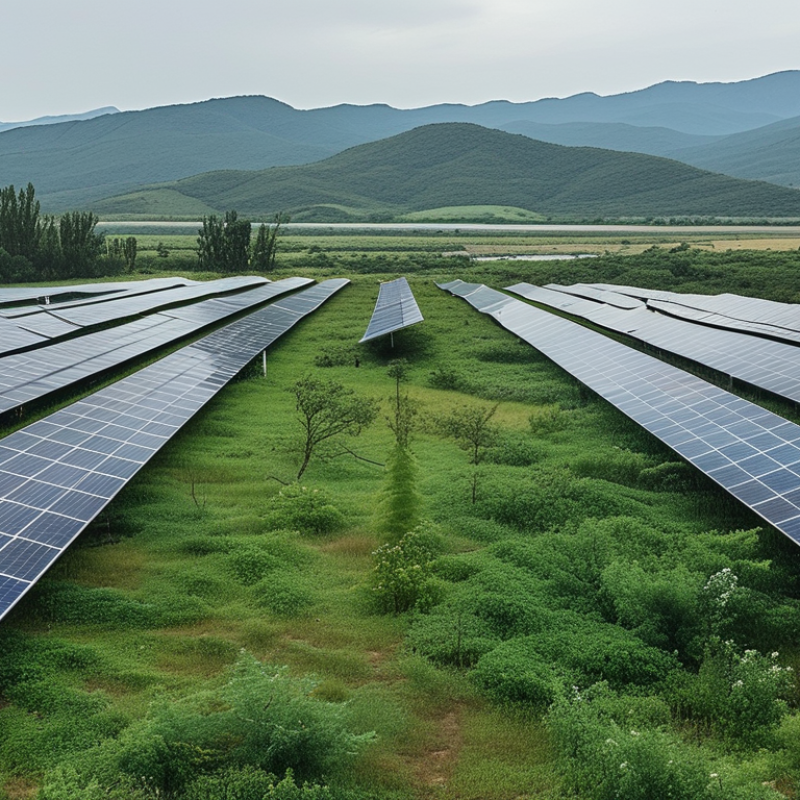
Power outages can be frustrating, and they raise questions about solar panel functionality. Several key factors influence how solar panels react during these situations. Typically, solar energy systems are designed to disconnect from the grid during power outages. This is a safety feature meant to protect utility workers who may be repairing lines.
Even though solar panels generate energy, they can't provide power to your home without battery storage. Without a battery, solar panels only function to send energy to the grid. When the grid goes down, your panels stop working. This might seem counterintuitive since you would expect your own energy source to keep functioning. However, it's a precaution to avoid back-feeding electricity into the grid, which can pose hazards.
The addition of battery storage changes this scenario. Batteries can store solar energy collected during the day for use during outages. However, installation and costs can pose challenges. The performance of your solar system during power outages is influenced heavily by the technology you have in place. Understanding these elements can help you make informed decisions about your solar investment.
Solar panel systems can indeed function during a power outage, but certain conditions must be met. Typically, grid-tied solar systems are designed to shut down automatically when the grid goes down. This is a safety measure to protect utility workers who may be repairing power lines. However, many homeowners are now considering battery storage options to yield power during outages.
When a solar system is equipped with batteries, it creates a different dynamic. These batteries store excess energy generated during sunny days. In the event of an outage, your solar system can divert energy from the batteries to your home. This setup allows you to maintain essential power for critical appliances. Yet, challenges remain. Batteries can have limited capacity, and managing energy consumption becomes crucial.
It is also important to note that not all solar panel systems are created equal. Some homes may lack sufficient setup to handle demands during an outage. Assessing the size of the solar array and battery capacity is key. Additionally, maintenance plays a significant role in efficiency. Regular inspections and updates ensure the system performs optimally, but many overlook this aspect. Taking time to evaluate these factors can significantly impact the effectiveness of solar energy during power outages.
When the power goes out, many homeowners wonder if their solar panels can still provide energy. The answer largely depends on having a battery storage system. Without batteries, solar panels typically shut down during outages. This safety feature protects utility workers repairing the grid. However, with battery storage, you can maintain essential power supply even when the grid is down.
Battery storage systems capture excess energy generated by solar panels. During a power outage, this stored energy can power lights, refrigerators, and other essential appliances. Investing in a quality battery system ensures your solar panels continue to function during outages. It is crucial to choose a system that matches your energy needs and capacity.
Consider evaluating your energy consumption. This can help determine the right battery size for your household. Regular maintenance of both solar panels and batteries is vital to ensure optimal performance. Check for any signs of wear or issues. Monitoring energy usage during outages can guide future improvements. Taking these steps can significantly enhance your energy resilience.
| Feature | Description | Impact During Outages |
|---|---|---|
| Solar Panels | Photovoltaic systems that convert sunlight into electricity. | Typically unable to function during an outage unless coupled with battery storage. |
| Battery Storage | Devices that store electricity generated by solar panels for later use. | Enables continued power supply during outages. |
| Inverters | Convert DC electricity from solar panels to AC electricity for home use. | Must be configured to work with battery systems for outage functionality. |
| Grid-Tied Systems | Systems connected to the local power grid. | Shut down during outages for safety reasons, unless paired with battery storage. |
| Off-Grid Systems | Self-sufficient solar systems not connected to the grid. | Continue to operate independently of grid status, reliant on battery storage. |
| Emergency Backup | Power supply designed for critical systems during outages. | Battery storage can provide emergency backup for essential appliances. |
Grid-tied solar systems connect directly to the electricity grid. They rely on this link to provide power. During a power outage, these systems stop functioning. They lack the necessary safety features to operate independently. According to the U.S. Department of Energy, grid-tied systems produce no electricity when the grid fails. This limitation can leave homeowners without power.
In contrast, off-grid solar systems work autonomously. They use batteries to store energy for later use. This feature allows them to provide power during outages. A report by the National Renewable Energy Laboratory states that off-grid systems can supply reliable electricity regardless of grid status. However, these systems require careful planning. Sizing the battery to meet energy needs is crucial. Oversizing can lead to wasted resources. Undersizing can result in insufficient power during critical times.
Many homeowners struggle with the decision of which system to choose. A grid-tied system is usually cheaper and easier to install. An off-grid setup requires a higher initial investment. However, it can offer peace of mind during emergencies. The reliability of power during outages is something many prioritize. The choice between grid-tied and off-grid systems ultimately depends on individual needs and circumstances.
During a power outage, solar panels can still generate electricity, but it depends on the system's design. Many residential solar installations come equipped with battery storage. This allows homeowners to use solar energy even without grid power. However, using solar energy safely during an outage requires some precautions.
It's critical to ensure that your inverter is equipped with a safety feature that disconnects from the grid. This prevents electrical back-feed, which could pose risks to utility workers repairing the line. A manual transfer switch can also enhance safety by isolating your system from the grid. Homeowners should familiarize themselves with these components to avoid accidents.
If your system lacks battery storage, you may not use solar energy during an outage. This can be frustrating, especially if you rely on electric appliances. Reflecting on these limitations highlights the importance of design considerations when investing in solar technology. Understanding system capabilities can lead to better preparedness. Safety should always be a priority in solar energy usage.
: Yes, but only if there is a battery storage system included.
They shut down for safety reasons, protecting utility workers repairing lines.
Batteries store excess energy, allowing you to power essential appliances when the grid is down.
You can typically power lights, refrigerators, and other critical equipment.
Evaluate your energy needs and choose a battery size that matches your consumption.
Yes, regular maintenance ensures optimal performance and efficiency, but many homeowners neglect it.
No, some systems may not be equipped to meet energy demands during outages.
The size of the solar array, battery capacity, and regular system inspections are crucial.
Keeping track of which appliances are used can help guide future improvements.
Yes, batteries have limited capacity, so managing energy use is essential during outages.
The question, "Can solar panels work during a power outage?" largely depends on the type of solar panel system in use. Understanding the nature of power outages reveals that solar panels themselves can still generate electricity, but this energy typically cannot be used during an outage without additional systems in place. Solar panel systems are often designed with safety protocols that prevent back-feeding power into the grid when it's down.
The integration of battery storage plays a significant role in enabling solar panels to function during outages. Off-grid solar systems, equipped with batteries, can provide power independently of the grid, while grid-tied systems require battery backup for functionality during outages. Exploring these differences highlights the importance of safety measures and proper system design in ensuring solar energy can be utilized effectively when the grid fails.

RayBoost Solar