When encountering issues with a solar inverter, one pressing question often arises: "Why is my solar inverter showing a red light?" This flashing light can signify various problems that need attention. Understanding its meaning is crucial for maintaining optimal energy production and ensuring your solar system operates efficiently.
Solar inverters play a vital role in converting solar energy into usable electricity. A red light typically indicates a malfunction or an error that could hinder performance. It's important to act quickly when you notice this warning signal. Ignoring it may lead to further damage or reduced efficiency.
By delving into the common reasons behind a red light flash, homeowners can better navigate these issues. This knowledge empowers users to take corrective measures, whether it's troubleshooting minor errors or seeking professional help for complex problems. Identifying the cause of the flashing light not only increases your inverter's reliability but also ensures your renewable energy system works as intended for years to come.
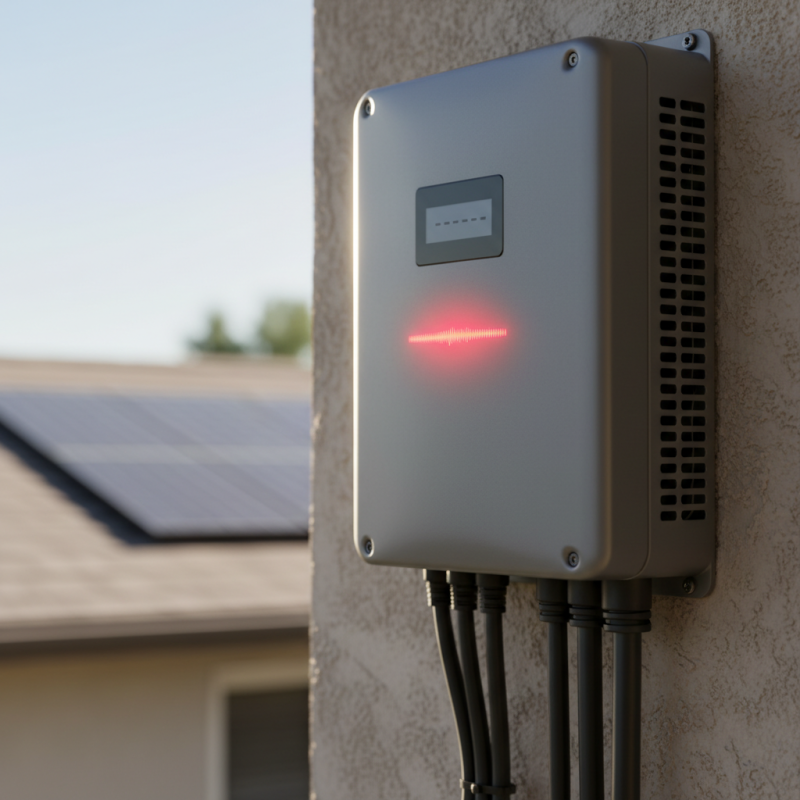
Solar inverters play a crucial role in converting the direct current (DC) generated by solar panels into alternating current (AC) for home use. Understanding how they work helps in troubleshooting issues. A solar inverter takes in DC electricity and modifies it to a waveform suitable for electrical appliances. This process is the backbone of any solar energy system.
When the inverter flashes a red light, it signals a problem. Common issues include overloading, grid failure, or overheating. Not all red signals indicate a severe fault. Sometimes, temporary conditions, like shading on panels, can cause the light to flash. It's important for homeowners to monitor these indicators and refer to the user manual. Routine maintenance checks may help catch minor problems early.
Inverters are not completely foolproof. They rely on electronic components, which can fail. External factors, like extreme weather, can also affect their performance. Learning about these potential pitfalls can save you time and money. Keeping an eye on the inverter's performance often uncovers small issues before they escalate. Regular inspections can enhance reliability but may also reveal unexpected challenges.
This chart illustrates the frequency of different issues indicated by a flashing red light on solar inverters. Most commonly, normal operation is indicated, while issues such as low voltage, over voltage, over temperature, and grid issues occur less frequently.
Flashing red lights on a solar inverter often indicate a problem that needs attention. Understanding the reasons behind these alerts can save time and resources. One common issue is a connection failure. Loose or corroded wiring can disrupt the power flow. Regular inspections can help identify these problems early.
Another frequent cause is overheating. Inverters can overheat due to insufficient ventilation or direct sunlight. Ensure your inverter is installed in a shaded, well-ventilated area. Dust buildup can also hinder performance, so cleaning is crucial.
Sometimes, a red light may signal a more complex issue, like grid faults. These can be linked to external factors, such as electrical surges. Knowing when to seek professional help is vital. Be proactive; a small oversight can lead to larger issues later. Reacting to a red light promptly ensures you maximize your solar system's efficiency.
Temperature plays a crucial role in the performance of solar inverters. As temperatures rise, the efficiency of solar panels can decline, leading to potential system faults. According to a report by the National Renewable Energy Laboratory, for every 1°C increase in temperature, solar panel output can drop by approximately 0.5%. This decline can cause inverters to overheat, leading to red flashing lights as a warning signal.
Moreover, inverters have temperature thresholds. Operating outside these limits can compromise their functionality. A study indicated that when ambient temperatures exceed 40°C, inverter efficiency can drop by more than 10%. This not only affects energy production but can also shorten the lifespan of the inverter. Observing these temperature effects is vital for system maintenance. Regular checks on inverter performance during heatwaves can prevent extended downtime.
It’s important to reflect on these factors regularly. Many users overlook inverter placement, which impacts cooling. Potential shading or thermal insulation effects can exacerbate issues during summer months. Poor ventilation can lead to further complications, resulting in unexpected costs. Noticing early warning signs, like red flashing lights, might save your system from costly repairs or replacements.
| Temperature Range (°C) | Inverter Performance (%) | Common Issues | Action Required |
|---|---|---|---|
| -10 to 0 | 85% | Reduced efficiency | Increase temperature or use weather protection |
| 1 to 15 | 90% | Flashing red light | Check connections and electronics |
| 16 to 25 | 95% | Optimal performance | Regular maintenance |
| 26 to 35 | 90% | Overheating risks | Ensure proper ventilation |
| 36 and above | 80% | Severe overheating, shutdown possible | Power down and cool down |
Experiencing a red light on your solar inverter can be alarming. This light often indicates system issues that require immediate attention. According to the Solar Energy Industries Association (SEIA), nearly 10% of solar installations experience inverter problems within the first five years. Understanding how to troubleshoot these notifications is crucial for effective maintenance.
Start by checking the inverter's installation environment. Is there adequate ventilation? Overheating can cause the inverter to shut down, resulting in a red light notification. Ensure the inverter is not blocked by debris or placed in direct sunlight, as high temperatures can hinder its performance. Additionally, inspect the electrical connections. Loose or corroded wires can disrupt power flow, prompting alarms.
Monitor your system's output using available monitoring software. This step can reveal discrepancies between expected and actual performance. The National Renewable Energy Laboratory (NREL) suggests that properly maintained systems can have a performance ratio of 75-90%. If the performance drops significantly, further investigation is warranted. Don't hesitate to consult a certified technician if issues persist, as ongoing problems can impact overall efficiency.
When encountering issues with your solar inverter, a flashing red light often signals a problem. According to the National Renewable Energy Laboratory (NREL), around 15% of solar systems experience significant inverter issues during their lifespan. These issues can stem from overheating, grid fluctuations, or component failures. The complexity of these systems makes amateur troubleshooting risky.
Seeking professional help is crucial when the inverter shows persistent red lights. Diagnostic tools and technical expertise are necessary for accurate assessment. A survey by the Solar Energy Industries Association (SEIA) found that 30% of solar users wait too long to address problems. Delayed action can lead to increased repair costs and system inefficiency.
Regular maintenance checks can help prevent issues before they escalate. A study indicated that routine inspections could enhance the lifespan of inverters by up to 20%. Professionals will check for dust buildup, electrical connections, and software issues. Understanding when to seek help is vital for maintaining optimal performance and safety.
: Higher temperatures can reduce solar panel efficiency. A 1°C rise may lower output by about 0.5%.
Inverter efficiency can drop by over 10%. This impacts energy production and can shorten inverter lifespan.
Poor placement can hinder cooling. Shading and insulation issues may worsen during the hottest months.
A flashing red light often indicates an issue. It’s important to address this promptly.
If red lights persist, seek help. Professionals have the tools for accurate assessments and diagnostics.
Regular checks are essential. They can enhance inverter lifespan by up to 20%.
Delayed maintenance can lead to costly repairs. It can also cause system inefficiency and downtime.
Amateur troubleshooting can be risky. Professional expertise is often necessary for complex issues.
Overheating, grid fluctuations, and component failures are common issues. Regular monitoring can help catch these early.
Ensure good ventilation and avoid shading. Regular inspections can spot potential issues before they escalate.
In this article, we explore the common question, "Why is my solar inverter showing a red light?" and delve into the fundamentals of solar inverters and their essential roles in converting solar energy into usable electricity. The text identifies several key reasons why an inverter might display a red light, such as grid failures, overloads, or faults in the photovoltaic system.
Additionally, we analyze how temperature variations can affect inverter performance, emphasizing the importance of maintaining optimal working conditions. The article also offers a step-by-step troubleshooting guide to help users address red light notifications effectively. Lastly, it discusses scenarios in which seeking professional help for inverter issues and routine maintenance becomes necessary, ensuring the longevity and efficiency of your solar energy system.

RayBoost Solar