When considering solar panel efficiency, one common question arises: "Does shade on one panel affect the whole string?" Experts like Dr. Emily Carson, a solar energy researcher, assert, "Even partial shading can significantly reduce the output of the entire system." This statement highlights a critical issue affecting solar panel systems.
When one panel in a string is shaded, it can create a bottleneck effect. The entire series of panels may suffer diminished performance. For example, imagine a solar array with six panels; one panel shaded leads to underperformance in all. This impacts both energy harvest and financial returns.
Moreover, the technology used in panel systems can exacerbate this effect. Many systems connect panels in series. If one fails or is less efficient due to shading, it reduces voltage output. This decrease affects the whole array, resulting in lower energy production. It's essential to understand these dynamics for effective solar panel management and maintenance.
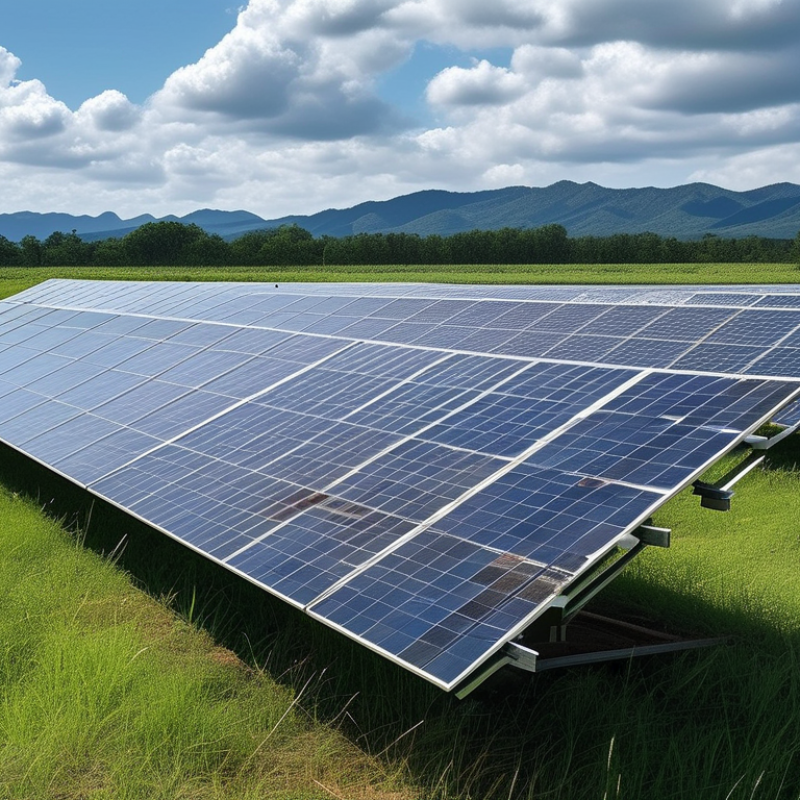
Shade on a solar panel can significantly alter the performance of an entire solar energy system. When one panel is shaded, its output decreases. This drop does not happen in isolation. The entire system's efficiency can suffer. This is due to how solar panels are connected, often in series. In series connections, the weakest link determines the output.
Consider a string of five panels. If one is shaded, the overall production may decline drastically. The shaded panel acts like a bottleneck. The resulting impact can be more pronounced in larger systems. In small setups, the effect might be manageable, but in expansive arrays, loss can accumulate.
The installation of bypass diodes can mitigate some of these issues. These diodes help to reroute the current around shaded panels. However, this solution is not perfect. The efficiency gains might not offset the loss from the shade entirely. Additionally, assessing the shading patterns over time can be complex. Variables like tree growth or nearby buildings can change. Monitoring these factors is essential for long-term performance. Understanding how shade affects individual panels can lead to better energy management.
Solar panel arrays work together to harness sunlight efficiently. When one panel is shaded, it can influence the entire system. In a typical array, the electrical output is often limited by the weakest panel. This is known as the "shadow effect."
A partially shaded solar panel may produce less energy. This reduction can lead to an overall decrease in energy production for the array. It's essential to position panels to minimize shading from trees, buildings, or other obstructions.
Tips: Regularly check your solar panels for debris or shading issues. Consider adjusting the installation angle to maximize sun exposure. Understanding the layout can enhance performance significantly.
Partial shading on solar panels is a common issue that can significantly impact energy production. Research shows that even a small amount of shade can reduce a panel’s output by up to 80%. This is because solar panels are often connected in series. If one panel is shaded, it can drag down the performance of the entire string.
A study published by the National Renewable Energy Laboratory indicates that shaded panels produce less energy, resulting in lower overall system efficiency. Specifically, the report noted that if 25% of a solar array is shaded, the energy production might drop to 50% or less of the expected output. This is crucial when considering the placement of panels. Proper orientation and avoidance of obstructions like trees and buildings are vital.
Moreover, shade effects vary depending on factors such as the time of day and seasonal changes. Keeping the panels clean and unobstructed is also essential. Tracking systems or micro-inverters can mitigate some shading issues, but they come with additional costs. Proper planning and awareness can lead to smarter solar investments. Balancing shading factors is key to maximizing energy yield from solar systems.
| Condition | Total Energy Output (kWh) | Affected Panel Output (kWh) | Percentage Drop | Overall System Efficiency (%) |
|---|---|---|---|---|
| No Shade | 500 | 100 | 0% | 100% |
| Light Shade | 480 | 90 | 10% | 96% |
| Moderate Shade | 450 | 70 | 30% | 90% |
| Heavy Shade | 350 | 40 | 60% | 70% |
| Complete Shade | 100 | 0 | 100% | 20% |
Shade on one solar panel can significantly impact the performance of the entire system. Research indicates that shading can reduce energy output by up to 50% in worst-case scenarios. This loss occurs due to the interconnected nature of solar panels in a series configuration. When one panel is shaded, it can act as a bottleneck for the others, limiting their efficiency.
To mitigate these effects, several solutions are available. One effective method is using microinverters or power optimizers. These devices optimize the output of each panel individually, allowing the system to maintain higher efficiency even when some panels are shaded. A report by the National Renewable Energy Laboratory (NREL) indicates that systems using microinverters can enhance overall performance by as much as 20%.
Another approach involves strategic panel placement. Conducting a shade analysis before installation can identify potential shading issues from surrounding trees or buildings. By adjusting the layout, it’s possible to minimize the shading impact. Regular maintenance is also crucial. Keeping panels clean and ensuring no new obstructions arise can help maintain optimal functionality. Discussions in industry journals emphasize how these adjustments can lead to improved long-term energy yields.
When it comes to solar panel systems, shading can significantly affect performance. Research indicates that even partial shading on one solar panel can reduce efficiency by 30% or more. This drop in energy production can hinder the overall system, as solar panels are interconnected. Thus, one shaded panel can bring down the output of others within the same circuit.
Proper placement is key. Install panels on an angled roof or an open area with consistent sunlight. Avoid locations near tall structures or trees that might block sunlight at different times of the day. Regular maintenance is equally important. Cleaning panels and inspecting for wear can help preserve their efficiency. A study from the Solar Energy Industries Association found that regular maintenance can improve output by up to 20%.
Tips:
- Assess potential shading sources before installation.
- Schedule regular cleanings, especially after storms.
- Monitor system performance, and address any drops quickly.
: Shade on one panel can decrease its output, affecting the entire system's efficiency due to series connections.
If one panel is shaded, it acts as a bottleneck, potentially lowering the overall production drastically.
Bypass diodes can reroute current and mitigate shade effects, but they don't completely overcome the losses.
Regularly check for shading from tree growth or new buildings, as these factors can change over time.
In worst-case scenarios, shading can cut energy output by up to 50%, affecting overall system performance.
Using microinverters or power optimizers can enhance the efficiency of individual panels, even when some are shaded.
Conducting shade analysis helps pinpoint potential issues, allowing for better panel placement and minimizing shading impact.
Keeping panels clean and removing obstructions ensures they operate at their best and maintain optimal functionality.
A well-planned layout can reduce shading impacts by considering surrounding obstacles during the initial setup.
No solution is perfect; best practices can reduce shading effects, but some losses may still occur.
The presence of shade on individual solar panels can significantly impact the performance of an entire solar array. This raises the question, "Does shade on one panel affect the whole string?" The answer is yes; when one panel is shaded, it can reduce the energy production of the entire string due to the series configuration of most solar panel systems. This can lead to inefficiencies, as the energy output is limited by the least performing panel, which is often affected by shading.
To mitigate the adverse effects of shading, understanding the functionality of solar panel arrays is crucial. Implementing solutions such as optimizing panel placement, using microinverters or power optimizers, and maintaining regular cleaning can enhance energy production. Best practices in solar panel maintenance and strategic installation can help ensure that shading does not unduly compromise the performance of the solar energy system, thereby maximizing overall efficiency.

RayBoost Solar