When it comes to solar power systems, a common concern arises: "Why is my solar battery not charging to 100%?" According to Dr. Emily Johnson, an expert in renewable energy systems, "Understanding battery behavior is crucial for maximizing solar efficiency." This statement emphasizes the complexity behind battery management.
Many users encounter limitations in their solar batteries, often feeling frustrated when they don't reach full charge. Factors such as temperature fluctuations, battery age, and charging cycles can affect performance. Users may also overlook the importance of proper installation. Each of these aspects plays a critical role in achieving optimal battery health.
A solar battery not charging fully can indicate larger issues. It may point to faults in the system or operational inefficiencies. Recognizing these details is vital. Engaging with professionals for evaluations can lead to better insights. Remember, understanding your solar battery's behavior is the first step towards optimal energy management.
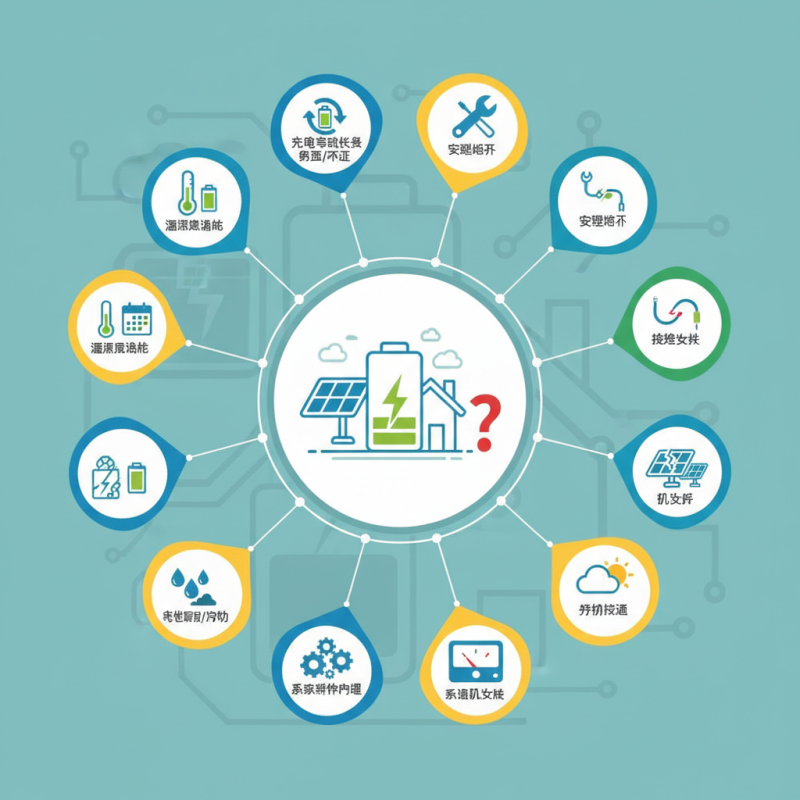
Incomplete charging of solar batteries can frustrate users. Numerous factors contribute to this issue. One critical aspect is temperature. Batteries function best within specific temperature ranges. High heat can lead to reduced efficiency. A study found that battery performance drops by approximately 1% for every degree Celsius above 25°C.
Another common cause is incorrect setup. Improper wiring can prevent batteries from receiving adequate power. Many users overlook this detail during installation. It is essential to follow specifications closely. Additionally, shading on solar panels can significantly affect energy production. Even minimal shading can yield a drop in efficiency of 20% or more.
Lastly, battery age plays a vital role. As batteries age, their ability to hold a charge diminishes. The cycle life of a lithium-ion battery, for example, decreases significantly after 500 cycles. Regular maintenance checks are crucial. Users should assess battery health periodically to ensure optimal charging performance.
Temperature plays a crucial role in the efficiency of solar batteries. Extreme heat or cold can impede their ability to charge fully. High temperatures can cause batteries to overheat, leading to reduced performance. Conversely, cold temperatures can slow down the chemical reactions within the battery, hindering its charge capabilities.
When temperatures drop, many users notice their battery does not reach 100%. This is often due to the battery's internal resistance increasing in the cold. If you live in an area with fluctuating temperatures, it’s vital to monitor the performance of your battery regularly. Consider installing your solar battery in a temperature-controlled environment to enhance its efficiency.
Tips: Ensure your battery is well-ventilated to avoid overheating. Keep it insulated from extreme cold. Regular maintenance checks help identify any issues early. Being proactive can extend your battery's lifespan and efficiency. If you notice issues with charging, reassess your battery's setup in relation to temperature fluctuations. Knowing how temperature impacts your solar battery can lead to better energy management.
Battery age significantly impacts charging capacity. As batteries age, their internal components degrade. This deterioration can reduce their ability to hold a full charge. A battery that once charged to 100% might struggle to exceed 80% later on.
Battery health is crucial for effective charging. Factors such as temperature and frequency of cycles influence battery performance. Frequent deep discharges can lead to capacity loss. Over time, the chemical reactions inside can slow down, making it challenging to achieve full charges.
Regular maintenance can help, yet some issues are unavoidable. Not all fluctuations indicate malfunction. Sometimes, an older battery simply reaches its limits. This can be a frustrating realization, highlighting the importance of monitoring battery performance over time. Understanding these dynamics is essential for optimizing solar battery use.
This chart illustrates the charging capacity issues of solar batteries based on various factors. The data represented analyzes the impact of battery age and health on the charging efficiency.
The size and efficiency of solar panels significantly impact the charging capacity of solar batteries. Larger solar panels can capture more sunlight, resulting in increased energy generation. Research from the National Renewable Energy Laboratory indicates that a solar panel's efficiency usually ranges between 15% to 22%. This efficiency directly affects how much energy is available to charge batteries. If your solar panels are underperforming, your battery may not reach its full potential.
Smaller or less efficient solar panels struggle during cloudy days or low sunlight conditions. This limitation can lead to insufficient charging, often leaving batteries at less than 100% capacity. Studies show that a 100W panel might generate only 50-60% of its rated output during these unfavorable conditions. Homeowners need to assess their solar panel setup regularly, ensuring optimal performance.
Battery health also plays a critical role. Aging batteries lose capacity over time. A battery that can hold 100Ah when new may only hold 80Ah or less after several years. If a solar panel does not generate enough energy to keep up with this decline, charging will be inadequate. Analyzing both panel efficiency and battery condition is essential for achieving optimal performance in your solar energy system.
| Reason | Description | Impact on Charging | Recommended Action |
|---|---|---|---|
| Inadequate Solar Panel Size | Insufficient surface area to capture enough sunlight. | Limits battery charging capacity. | Increase panel size or number of panels. |
| Poor Panel Efficiency | Low conversion rate of sunlight to electricity. | Extends charging time, may not reach 100%. | Upgrade to more efficient panels. |
| Battery Age | Older batteries lose capacity to hold charge. | Reduced maximum charge level. | Consider replacing the battery. |
| Temperature Extremes | High or low temperatures affect battery performance. | Can inhibit battery charging capability. | Ensure proper temperature conditions. |
| Incomplete Solar Charge Controller Setup | Improperly installed settings prevent full charging. | Mismanagement of battery charging cycles. | Review and configure the solar charge controller. |
| High Power Consumption | Using more energy than panels can replenish. | Batteries remain partially charged. | Reduce energy use during charging times. |
| Overcast Weather Conditions | Limited sunlight for extended periods. | Decreased solar energy generation. | Use backup energy sources during low sunlight. |
| Faulty Wiring | Poor connections can disrupt charging. | Leads to inefficiencies and charge loss. | Check and repair wiring connections. |
| Battery Management System Issues | Malfunctioning systems can misreport stats. | May inaccurately indicate state of charge. | Inspect and troubleshoot battery management systems. |
Proper wiring and connections play a crucial role in the efficiency of solar battery charging. According to research from the U.S. Department of Energy, improper connections can lead to a significant reduction in charging capacity. In fact, poorly connected systems can lose up to 30% of their potential energy. Ensuring that connections are secure can maximize charging, allowing batteries to reach full capacity more reliably.
A common oversight is the installation of mismatched wire sizes. Using incorrect gauge wires can result in electrical resistance, which affects charging speed. It's vital to use the correct wire size to minimize losses. Regular inspections of the wiring can prevent potential issues.
Tips: Check all connections monthly. Look for signs of corrosion or wear. Remember, a small issue can lead to bigger problems. Consider investing in a multimeter for quick diagnostics.
Additionally, the arrangement of wiring impacts energy flow. A well-organized setup can enhance the electrical performance of your solar system. Disorganized wiring may lead to confusion and, ultimately, inefficient charging. A tidier system not only looks better but also performs better.
: Extreme heat or cold can hinder a solar battery’s ability to charge fully.
Cold temperatures increase internal resistance, preventing batteries from reaching full charge.
As batteries age, their internal components degrade, reducing their charging ability over time.
Regular checks can identify issues early and extend the battery’s lifespan and efficiency.
Proper wiring ensures optimal charging, while poor connections can lead to a significant energy loss.
Monthly inspections for corrosion and wear can prevent potential charging problems.
Incorrect wire sizes create electrical resistance, negatively affecting the charging speed.
Installing batteries in temperature-controlled environments can enhance their performance.
Sometimes, older batteries may simply reach their limits and struggle to charge fully.
An unoptimized setup may lead to inefficient charging and reduced overall performance.
If you're wondering, "Why is my solar battery not charging to 100%?" there are several factors to consider. Common causes include incomplete charging due to insufficient sunlight, inefficiencies in the solar panel system, or improper wiring and connections. Temperature also plays a crucial role, as extreme heat or cold can affect the battery's ability to charge fully.
Additionally, the age and health of the battery can significantly impact its charging capacity; older batteries may not hold a charge as effectively. Lastly, the size and efficiency of your solar panels are vital components in the charging process. By understanding these factors, you can better troubleshoot and enhance the performance of your solar battery system.

RayBoost Solar