When people install solar panels, they expect peak performance, especially on sunny days. However, many face the puzzling situation of reduced energy output. This leads to the question: "Why is my solar power generation low on sunny days?" It seems counterintuitive. Solar technology should thrive under bright sunlight, yet various factors can hinder optimal performance.
One common reason for low solar generation is shading. Even a small obstruction, like a nearby tree or building, can dramatically reduce efficiency. Dust and dirt accumulation on solar panels also play a significant role. Many homeowners forget that solar panels need to be clean to function at their best. Additionally, temperature affects energy production. High heat can reduce efficiency, which surprises many users.
Understanding these factors is essential. Users might overlook simple maintenance routines or environmental changes. Reflecting on these aspects can help optimize solar power usage. It’s worth exploring all potential reasons for low output, even under perfect weather conditions. An informed approach will ensure optimal energy harnessing year-round.
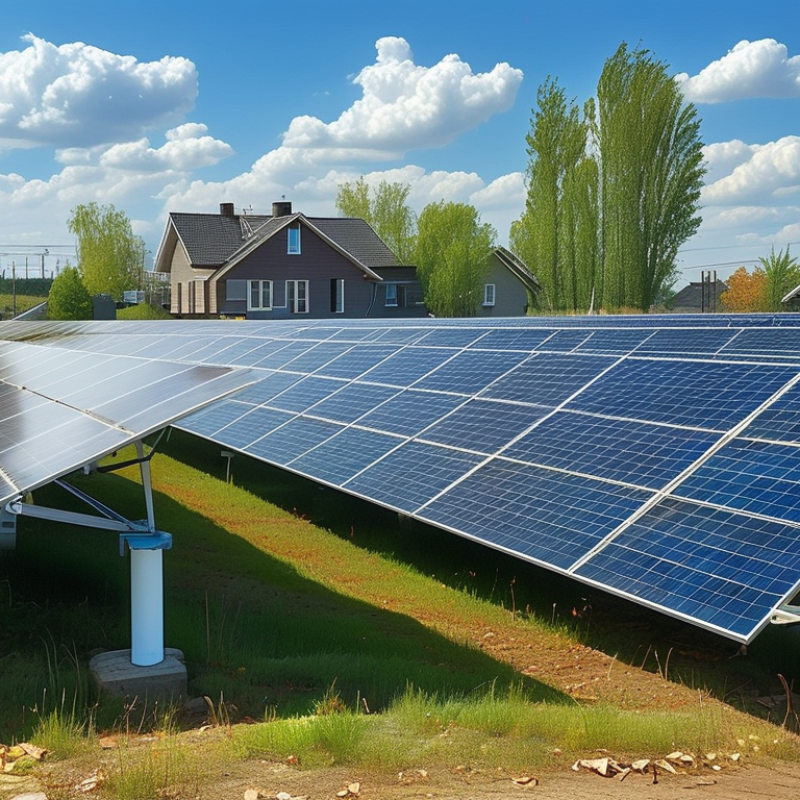
Solar power generation on sunny days can sometimes disappoint solar panel owners. Several factors influence the efficiency of these systems. Understanding these factors helps improve your overall energy generation.
One key factor is the angle and orientation of solar panels. If they are not aligned correctly with the sun, the solar energy captured will be less. Regularly check the panels and adjust their positioning if necessary.
Another aspect to consider is shading. Nearby trees, buildings, or even dirt can block sunlight. Over time, dust accumulates on the panels, reducing their effectiveness. Cleaning solar panels regularly enhances performance.
Tips: Regular maintenance is crucial. Make a schedule to inspect your system. Keep the panels clean and free from obstacles. Monitor your energy output for unexpected drops. Taking these steps ensures better efficiency and higher energy production.
Temperature plays a significant role in the performance of solar panels. While many assume that sunny days guarantee high energy output, this is not always true. In fact, as temperatures rise, the efficiency of solar panels can decrease. Most solar panels operate best at around 25 degrees Celsius. Beyond this temperature, their output can fall sharply.
Hot weather can affect the internal resistance of solar cells. This increased resistance leads to lower voltage output. When the temperature exceeds optimal conditions, solar panels may produce less energy than expected. For instance, on a particularly hot day, you might notice your solar generation is lower than on a cooler day, even with similar sunlight exposure.
It is essential to consider the cooling mechanisms in solar installations. Proper ventilation and panel positioning can help mitigate temperature effects. Additionally, investing in high-temperature tolerant panels may be beneficial. Being aware of these factors can assist in optimizing solar energy production, especially during those bright, hot days.
Shading from nearby objects can significantly impact solar power generation, even on sunny days. Trees, buildings, and other structures can create shadows on solar panels, reducing their efficiency. A study by the National Renewable Energy Laboratory found that even small amounts of shading can lead to a drop in output by up to 30%. This reduction directly translates to less energy harvested and lower potential savings for homeowners and businesses.
In some cases, shading can be inconsistent. A passing cloud might scatter sunlight, but a nearby tree or building casts a permanent shadow. For those using fixed solar systems, this shading issue can be even more problematic, as these systems cannot track the sun's movement. Regular assessments of nearby objects like tree growth or new construction are crucial. Homeowners may need to trim trees or adjust their setup to optimize solar energy capture.
Additionally, positioning your solar panels plays a crucial role. Panels tilted too low might receive less direct sunlight, exacerbating shading effects. According to the Solar Energy Industries Association, poorly positioned panels can reduce output by 20%. Understanding these factors is essential for anyone looking to maximize their solar energy investment. Therefore, it's vital to regularly evaluate the environment surrounding solar installations for optimal performance.
The chart above illustrates solar power generation at different times of the day on sunny days. Note the significant drop in power generation during the later hours, which may be affected by shading from nearby objects such as trees, buildings, or even installation angle. These factors can greatly influence efficiency.
When solar power generation does not meet expectations on sunny days, inverter efficiency plays a crucial role. Inverters transform the direct current (DC) from solar panels into usable alternating current (AC). This conversion isn’t perfect. Some energy gets lost during this process. Even high-quality inverters have inefficiencies that can affect overall output.
Several factors contribute to inverter efficiency. One significant element is the inverter's operating temperature. Excess heat can cause performance drops. If the inverter is in a hot location, its efficiency can decrease, leading to lower energy production. Additionally, shading on the panels or improper installation can impact the amount of power generated and subsequently converted.
It’s also worth considering that not all inverters handle variations in sunlight well. They may perform differently under cloudy conditions or sudden sunlight bursts. This unpredictability can frustrate users. Regular maintenance is key. Cleaning panels and checking electrical connections enhance performance. Understanding these nuances helps maximize solar energy generation on sunny days.
Dirt accumulation on solar panels can significantly reduce energy output, even on sunny days. Dust, bird droppings, and tree sap create a layer that blocks sunlight. This results in decreased efficiency. A study showed that unclean panels can lose up to 25% of their potential output.
Regular maintenance is essential to ensure optimal performance. Many users forget about cleaning their panels. A simple wash with water can restore their efficiency. It may seem trivial, but neglecting this can lead to higher energy costs.
Evaluating the angle and positioning of your solar panels is also important. Shadows from nearby trees or buildings can further reduce your power generation. Regular checks are necessary to see if growth or construction has changed the landscape. By being proactive, you can enhance your solar energy production significantly.
| Issue | Description | Impact on Energy Output (%) | Recommended Action |
|---|---|---|---|
| Dirt Accumulation | Dust and debris can reduce the amount of sunlight hitting the solar panels. | 20-30% | Regular cleaning of solar panels. |
| Shading | Shade from trees, buildings, or other structures can hinder performance. | 15-25% | Trim or relocate any obstruction causing shade. |
| Mechanical Issues | Malfunctioning inverters or other equipment can lead to reduced output. | 10-40% | Get professional maintenance for electrical components. |
| Age of Solar Panels | Older panels may naturally produce less energy due to wear. | 5-15% | Consider replacement with newer models. |
| Weather Conditions | Extreme heat or humidity can affect performance. | 5-10% | Monitor and adapt system settings as needed. |
: Key factors include the angle of solar panels and shading from nearby objects.
Panels should be aligned with the sun for maximum energy capture.
Trees, buildings, and dirt can block sunlight, reducing energy output.
Regular cleaning and inspection keep panels effective. Check for dirt and obstacles.
Solar panels perform best at around 25 degrees Celsius.
Higher temperatures increase internal resistance, causing lower voltage and energy output.
Yes, proper ventilation and panel positioning can help mitigate heat effects.
Regularly check your energy output and maintenance status to identify issues.
Investing in high-temperature tolerant panels can improve performance in hot weather.
Scheduled maintenance ensures better efficiency and higher energy production over time.
When considering the question "Why is my solar power generation low on sunny days?", several factors come into play that can significantly affect the efficiency of solar power generation. One of the primary aspects is the impact of temperature on solar panel performance; higher temperatures can reduce the output of solar panels despite clear skies. Additionally, shading from nearby objects like trees or buildings can obstruct sunlight, further diminishing energy harvesting.
Moreover, the efficiency of inverters, which convert solar energy into usable power, also plays a crucial role. Inverter performance can vary, impacting overall energy output. Lastly, maintenance issues, such as dirt accumulation on panels, can obstruct light absorption, leading to lower energy generation. Understanding these factors can help optimize solar energy production even on sunny days.

RayBoost Solar