How to Install Solar Panels Yourself to Save Money?

Time:2026-06-01 Author:Ethan
0%

Installing solar panels can be an appealing way to cut energy costs. Many homeowners wonder, "Can I install solar panels myself to save money?" The answer is not straightforward. There are significant factors to consider. These include technical skills, tools, and local regulations.

DIY solar installation can save you money upfront. However, it requires careful planning. You must assess your roof, the sun's path, and budget constraints. Mistakes can be costly. You might face unexpected challenges like wiring issues or permit complications.

Research is essential. Seek expert advice and read reliable sources. Local solar communities often share valuable experiences. These insights can help you avoid common pitfalls. Yet, weigh your options carefully. Professional installation can guarantee efficiency and safety. Ultimately, the decision to install solar panels yourself should balance cost savings and potential risks.
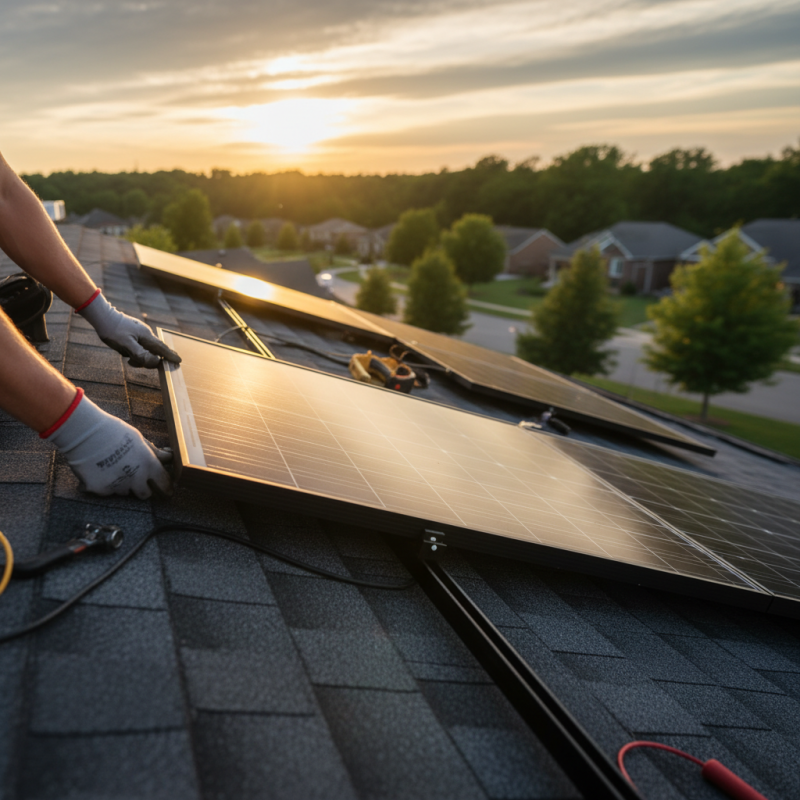
How to Install Solar Panels Yourself to Save Money?

Understanding the Basics of Solar Panel Installation

Installing solar panels can seem overwhelming, but understanding some basics makes it manageable. The first step is assessment. Examine your roof's condition and orientation. A south-facing roof typically captures the most sunlight. Ensure there are no obstructions like trees or chimneys that could cast shadows on your panels.


Next, familiarize yourself with the components. Solar panels, inverters, and mounting systems are essential. Learning about each part aids in understanding the installation process. You might need to research local regulations and permits. Each area has different requirements. This step can feel tedious but is crucial for a successful installation.


Take your time during the process. Mistakes can lead to inefficiencies. Ensure the panels are securely mounted and properly connected to avoid future issues. Testing the system after installation is essential. Monitor energy output to confirm everything functions as expected. Embrace the learning curve, and don't hesitate to reach out to online communities for support.

Gathering Necessary Tools and Materials for the Installation

Installing solar panels can be a rewarding yet intricate task. Gathering necessary tools and materials is the first vital step. Begin with safety gear: goggles and gloves are essential. You’ll also need a sturdy ladder to reach the roof. According to industry reports, over 50% of DIY solar projects fail due to improper installation techniques. Therefore, a well-organized toolkit is crucial.

Next, you should collect installation components. This includes solar panels, inverters, and mounting brackets. Research indicates that the average DIY installation can save homeowners about 20% compared to hiring professionals. However, securing quality materials is key. Not all solar panels are created equal. Opt for panels with a solid performance warranty, ideally over 25 years. Investigate local regulations to ensure compliance, as installation codes can vary.

Planning for the job site is equally important. Do you have enough space for the installation? Are trees or other structures blocking sunlight? A study by the National Renewable Energy Laboratory suggests that panel placement affects efficiency by as much as 30%. Reflect on these factors to avoid costly mistakes. Construction isn't always straightforward. Sometimes, unexpected challenges arise, like roof repairs or needing specialized brackets. Prepare yourself mentally for possible setbacks during the process.

Preparing Your Roof for Solar Panel Installation

Preparing your roof for solar panel installation involves several key steps. Start by inspecting your roof for any damage or weak spots. Look for missing shingles or signs of decay. This is essential because solar panels require a stable and durable surface. If your roof needs repairs, address them before proceeding. A solid foundation ensures longevity for your solar investment.

Next, clean the roof thoroughly. Remove debris, leaves, and dirt. Not only does this give a clear surface for installation, but it also prevents potential blockages for the solar panels. After cleaning, check the angle of your roof. Ideally, roofs with a southward tilt capture maximum sunlight. If your roof is flat, consider additional mounting systems to optimize sunlight exposure.

Lastly, ensure there is enough space for the solar panels. Measure the area where panels will be installed. Planning the layout ahead of time prevents difficulties and awkward positioning later. Remember that effective planning can prevent costly mistakes. Take your time to evaluate these aspects; rushing can lead to unforeseen complications during installation.

How to Install Solar Panels Yourself to Save Money? - Preparing Your Roof for Solar Panel Installation

Preparation Step Description Estimated Time Cost (Approx.)
Roof Inspection Check for damage and structural integrity to ensure it can support solar panels. 1-2 hours $0 - $300
Gathering Tools Collect necessary tools like a drill, ladder, and measuring tape. 30 minutes $0 - $150
Permits and Regulations Check local laws for permits needed to install solar panels. 1-2 days $50 - $500
Clearing the Roof Remove debris, branches, and any obstructions from the roof. 1 hour $0
Measuring Area Measure the roof area to determine how many panels can be installed. 1 hour $0

Step-by-Step Guide to Installing Solar Panels

Installing solar panels yourself can be a rewarding yet challenging task. A comprehensive step-by-step guide ensures you're equipped for success. Begin by assessing your roof's angle and sun exposure. Studies show that homes with optimal sun exposure can increase energy production by 40%. Use measuring tools to determine how many panels you can fit. Accurate measurements are crucial to avoid wasting valuable materials.

After planning, gather your tools and materials. You'll need solar panels, inverters, and mounting hardware. Consider the installation angle; a tilt of 15-30 degrees can maximize efficiency. Safety should always come first. Install panels in daylight, but avoid working during peak sun hours to prevent overheating. Pay attention to local regulations. Some areas require permits, while others may have incentives for solar energy use.

When wiring the system, follow safety protocols. Poor connections can lead to fire hazards. Industry reports indicate that improper installations account for over 30% of solar panel failures. Testing the system before full operation is essential. Make sure to monitor energy production regularly. Reflect on your installation experience; note what worked and what didn’t. This reflection can improve future installations.

Installation Costs of Solar Panels by Component

Connecting and Testing Your Solar System for Efficiency

Connecting and testing your solar system is a crucial step in your DIY installation journey. After mounting the solar panels, you need to connect them to an inverter. This device converts the sunlight captured into usable electricity. Use the correct gauge wires for your system's specifications to ensure safety and efficiency. Improper connections can lead to energy loss or even fire hazards. Double-check all connections before proceeding.


Once connected, it’s time to test your system for efficiency. First, measure the voltage coming from the solar panels using a multimeter. Ensure it matches the expected output. If the numbers aren’t what you anticipated, there may be an issue. Pay attention to any signs of overheating or abnormal sounds from the inverter. These are red flags that should not be ignored.


Document your findings and compare them to your expected performance. If you notice significant discrepancies, it may be worth revisiting your setup. Maybe a wire is loose, or there’s shading on the panels at certain times of the day. Reflect on every step taken; each small detail plays a role in how effective your system will be.

FAQS

: How do I prepare my roof for solar panel installation?

: Inspect your roof for damage, missing shingles, or decay. Ensure a stable surface for the panels.

Why is cleaning the roof important?

Cleaning removes debris and dirt. This gives a clear area for panels, preventing blockages.

What angle should my roof have for solar panels?

Ideally, a southward tilt maximizes sunlight capture. Flat roofs may need special mounting systems.

How can I ensure enough space for solar panels?

Measure the installation area carefully. Planning the layout prevents awkward positioning and mistakes.

What tools do I need for solar panel installation?

Gather solar panels, inverters, and mounting hardware. Ensure you have necessary measuring tools.

When is the best time to install solar panels?

Install during daylight but avoid peak sun hours. This prevents overheating during the process.

Why is safety important during installation?

Following safety protocols prevents hazards. Poor connections can cause fires and installation failures.

How can I test my solar panel system?

Test the system before full operation. Regularly monitor energy production to ensure efficiency.

What should I reflect on after installation?

Note what worked and what didn’t. This reflection can improve future installations for better results.

Conclusion

If you're contemplating the question, "Can I install solar panels myself to save money?" the answer is an enthusiastic yes, provided you approach the task with careful planning and the right tools. The installation process begins with understanding the basics of solar panel technology and its components. You will need to gather necessary tools and materials, which typically include mounting brackets, inverters, and solar panels themselves.

Next, preparing your roof is crucial—ensuring it's structurally sound and optimally angled for sunlight exposure. The step-by-step guide to installation involves positioning the panels, securing them, and connecting the system to your electrical setup. Finally, testing your solar system for efficiency guarantees that it operates correctly and meets your energy needs. By taking the initiative to install solar panels yourself, not only can you save significant money, but you also gain valuable knowledge about renewable energy systems.

Ethan

Ethan

Ethan is a seasoned marketing professional with a deep expertise in our company's innovative product line. With a passion for sharing knowledge and insights, he takes the lead in regularly updating our corporate blog, where he explores industry trends, product features, and effective marketing......