Installing a home solar system can significantly reduce energy costs. However, many homeowners overlook one crucial aspect: regular maintenance. Understanding "what maintenance does a home solar system require?" is key to ensuring longevity and efficiency. Solar panels are resilient, yet they are not completely maintenance-free.
Regular inspections and cleaning are vital to keep the system operating at peak performance. Dirt, dust, and debris can accumulate, blocking sunlight and affecting energy production. Additionally, it’s essential to check for any shading from trees or buildings. A seemingly minor issue can lead to reduced system efficiency over time.
Homeowners may feel overwhelmed by the maintenance process. Simple tasks can often be forgotten, leading to costly repairs down the line. Seeking professional help for in-depth inspections is a wise choice. By staying proactive with maintenance, you ensure your solar investment continues to pay off for years to come.
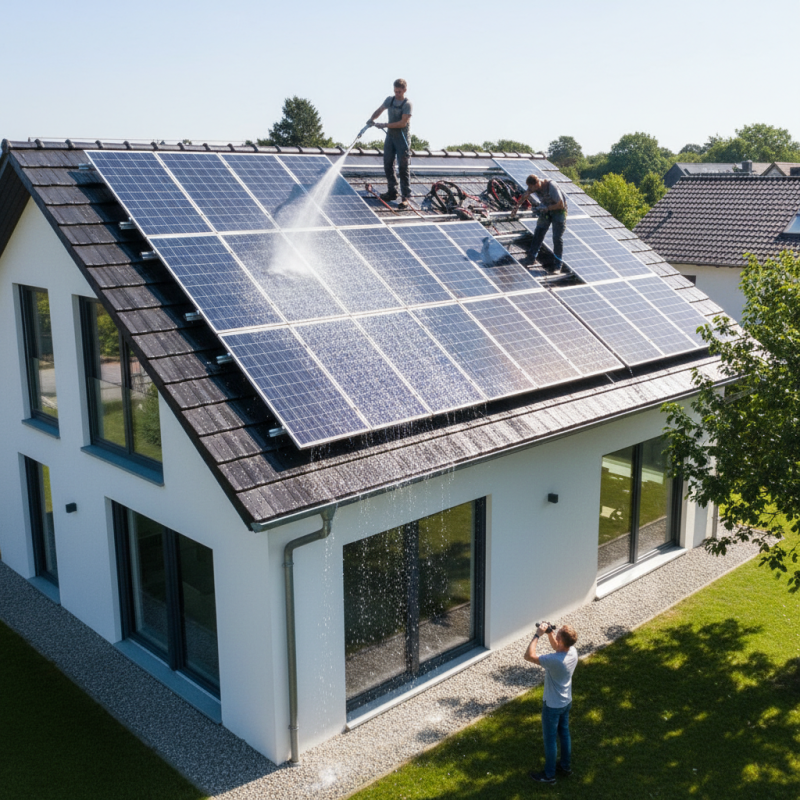
Home solar systems require regular maintenance to ensure optimal performance. Typical maintenance includes visual inspections, cleaning, and monitoring system performance. Regular cleaning removes dirt and debris that can obstruct sunlight. Studies indicate that dirty panels can reduce energy output by up to 20%.
In addition, checking the inverter and wiring is crucial for safety. Inverters typically last 5 to 10 years, requiring occasional replacements. Faulty wiring can lead to inefficiencies or safety hazards. A study from the National Renewable Energy Laboratory emphasizes that about 15% of solar systems experience performance issues due to inadequate maintenance. Addressing these issues promptly is essential for maximizing energy production.
Monitoring performance through software tools helps identify problems early. Data shows that homes with regular maintenance see a 25% improvement in energy efficiency compared to those that don’t. While maintenance can seem daunting, simple tasks can have significant long-term benefits. Regular checks and cleaning become necessary but can often be neglected.
Routine inspections are vital for maintaining a home solar system. Regular checks help identify issues before they escalate. A thorough inspection can reveal dirt on panels or wear on wiring. Keeping panels clean can boost efficiency. This is why monitoring is so critical.
Frequency of inspections can vary. Ideally, homeowners should check their systems at least twice a year. After severe weather, an inspection is essential. Damages can happen during storms or heavy winds, affecting performance. Even small issues can lead to larger problems.
While many homeowners feel confident conducting basic inspections, professional evaluations are often necessary. Experts can spot unseen issues. Their insights can guide necessary repairs. Neglecting routine checks could mean missed opportunities for optimization. This is an area that deserves attention for improved functionality and longevity.
Cleaning solar panels is crucial for maintaining their efficiency. Dust, dirt, and debris can accumulate, reducing energy production by up to 25%, according to the National Renewable Energy Laboratory (NREL). Regular cleaning helps ensure optimal performance. The best practice is to clean panels at least twice a year, depending on local environmental conditions. If your area has heavy rainfall, this may reduce the need for frequent cleaning.
Techniques for cleaning vary. A soft brush, along with a hose or bucket of water, works well for most panels. Avoid harsh chemicals or abrasive materials that can scratch surfaces. For stubborn grime, a mixture of mild soap and water can be effective. Monitoring the weather is vital; cleaning during cooler parts of the day can prevent streaks from drying quickly on hot panels.
Professional cleaning services are available and should be considered for large installations. Safety should always come first, especially when using ladders or accessing rooftops. While cleaning seems simple, overlooking these details can lead to long-term inefficiencies. Regular maintenance not only enhances energy production but also prolongs the lifespan of your solar system.
| Maintenance Task | Frequency | Best Practices | Recommended Tools |
|---|---|---|---|
| Cleaning Solar Panels | Every 6 months | Use soft brushes and squeegees; avoid abrasive materials | Soft brush, squeegee, hose |
| Inspecting Wiring and Connections | Annually | Check for frays or damage; ensure tight connections | Multimeter, screwdriver |
| Checking Inverter Performance | Quarterly | Monitor output; reset if necessary | Inverter monitoring software |
| Trimming Surrounding Vegetation | As needed | Ensure no shading on panels | Loppers, hedge trimmers |
| Monitoring Energy Production | Monthly | Review performance graphs | Smartphone app, computer |
Monitoring the performance of a home solar system is essential for optimal energy production. Using advanced tools can help track how much energy is generated. These tools analyze various metrics, offering insights into system efficiency. Monitoring solar output daily or weekly can reveal patterns in energy production. It can also help identify any significant drop in performance.
Key metrics include energy output, efficiency ratios, and system availability. Keeping an eye on these figures provides a clearer picture of how well the system is performing. Unexpected changes often signal potential issues. For instance, if the energy output drops significantly, it may indicate a need for maintenance or adjustment. It’s crucial to conduct regular checks, especially after extreme weather events.
Visual data representation is helpful. Graphs showcasing solar production can simplify tracking. These visuals highlight performance trends over time. However, it’s important to recognize shortcomings in the monitoring process. Some tools may not provide the most accurate readings. Regularly reevaluating the chosen tools ensures reliable data. Staying informed about technology improvements can also enhance monitoring practices.
Maintaining a home solar system is crucial for optimal performance. One common issue is debris accumulation on solar panels. Dust, leaves, and bird droppings can block sunlight. This leads to reduced energy production. Regular cleaning is necessary for efficiency. A simple rinse with water often suffices.
Another issue arises from shading caused by nearby trees or structures. Over time, branches may grow, casting shadows on the panels. This not only affects energy output but can also cause damage. It’s important to monitor the surrounding area and trim any obstructive branches periodically.
Electrical problems can also occur. Inverter failures or wiring issues may go unnoticed. Frequent system checks can help identify these concerns. It’s advisable to consult with a professional if any irregularities arise. Regular maintenance helps ensure your solar panels operate effectively and last longer.
: They help identify issues early and maintain system efficiency.
Ideally, twice a year. After severe weather, inspect immediately.
Debris buildup, like dust and leaves, can block sunlight.
A simple rinse with water usually suffices for cleaning.
Yes, nearby trees or structures can reduce energy output.
Consult a professional to check for inverter or wiring issues.
You might miss chances to optimize performance and functionality.
Basic checks are fine, but experts can spot hidden issues.
Any blockage can significantly reduce efficiency and output.
Monitor and trim branches regularly to ensure sunlight access.
What maintenance does a home solar system require? Regular upkeep is essential for ensuring optimal performance and longevity of solar panels. Maintenance typically includes routine inspections to assess the system's condition, usually recommended at least once or twice a year. This helps identify any potential issues early on.
Additionally, cleaning solar panels is crucial to maximize their efficiency. Best practices involve using non-abrasive tools and ensuring that panels are free from debris and dirt. Monitoring system performance through various tools and metrics allows homeowners to track energy production and spot discrepancies. Finally, being proactive in identifying and addressing common problems, such as shading or wiring issues, can prevent costly repairs and ensure the system operates at its best.

RayBoost Solar