The adoption of solar energy has surged in recent years. This growth has prompted many to ask, "How much energy does a solar panel produce per day?" According to the U.S. Department of Energy, a typical solar panel can generate between 250 to 400 watts under optimal conditions. This translates to approximately 1 to 2 kilowatt-hours (kWh) daily, depending on factors such as sunlight exposure and panel efficiency.
Expert John Perlin, a prominent figure in the solar industry, states, "Understanding daily energy production is key to maximizing solar panel investments." As more homeowners and businesses turn to solar, it's essential to grasp the variables affecting energy output. Efficiency ratings, local climate, and installation angles all play crucial roles in determining actual energy yield.
Yet, each system is unique. What works for one installation may not apply to another. As such, constantly refining our understanding will enhance solar energy's potential. Exploring the question of "How much energy does a solar panel produce per day?" is not just about numbers; it's about sustainability and smarter energy solutions.
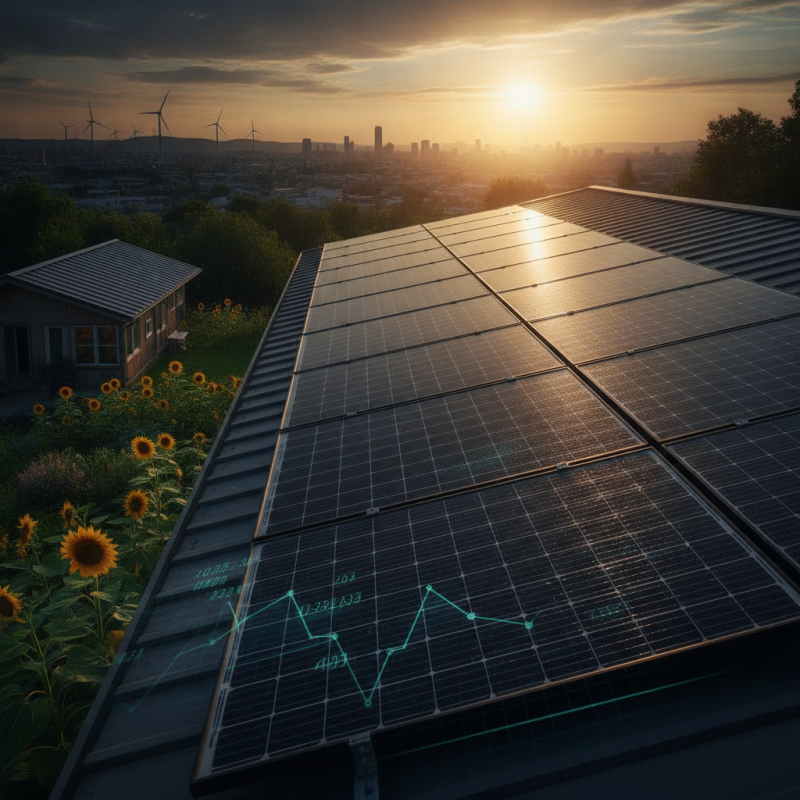
Solar panels convert sunlight into electricity, but their energy production varies. Many factors influence this output. The most significant factor is sunlight exposure. Each panel's efficiency relies on its location and weather conditions. For instance, a panel in a sunny region will generate more energy than one in a cloudy area.
Temperature also plays a crucial role. Higher temperatures can reduce efficiency, which may seem counterintuitive. This means that ideal production occurs not on scorching days but when temperatures are mild and sunny. Regular maintenance is essential. Dust and debris can accumulate, blocking sunlight and affecting output.
Understanding these dynamics helps homeowners and businesses optimize their solar energy systems. Many people underestimate the complexities involved in solar energy production. They often expect constant high outputs without considering weather, geography, or maintenance. Each user should plan accordingly, as energy generation is not always predictable.
Solar panels are not one-size-fits-all when it comes to energy production. Several factors impact their daily output. Understanding these factors can help homeowners and businesses optimize their energy use.
Sunlight exposure is the most critical aspect. The location determines how much sun a panel receives. For instance, a panel in Arizona may generate up to 600 kWh per year, while one in Seattle may only produce around 300 kWh annually. Seasonal changes also affect sunlight availability, with shorter days in winter leading to reduced energy production.
Temperature is another significant factor. Solar panels typically perform best between 15°C and 35°C. Excessive heat can reduce efficiency by over 10%. Shade from trees or buildings can cut energy output dramatically. Even partial shading can create "hot spots," leading to damage over time.
The quality and angle of installation play key roles as well. Proper tilt maximizes solar exposure throughout the year. Regular maintenance is essential. Dirt or snow build-up can obstruct sunlight, decreasing efficiency. These nuances highlight the need to evaluate solar installations regularly for peak performance.
| Location | Panel Size (kW) | Daily Sunlight Hours | Energy Output (kWh) |
|---|---|---|---|
| California | 300 | 5 | 1.5 |
| Arizona | 300 | 6 | 1.8 |
| New York | 300 | 4 | 1.2 |
| Florida | 300 | 5.5 | 1.65 |
| Texas | 300 | 5 | 1.5 |
When considering solar panels, energy output varies significantly. Different panel types have distinct efficiencies and designs. Standard monocrystalline panels typically generate about 250 to 400 watts per day. Meanwhile, polycrystalline panels often yield slightly lower outputs, roughly 200 to 350 watts each day.
Thin-film solar panels have another approach. They are lighter and more flexible but produce around 100 to 200 watts daily. This range can be quite limiting for larger energy needs. However, their adaptability makes them suitable for specific applications, such as rooftops with unique shapes. Weather and location also play crucial roles in daily energy generation.
For example, a sunny area will consistently outperform a cloudy region. It's essential to consider these factors when planning solar energy systems. While solar panels hold great potential, their varying outputs mean careful planning is necessary. Take note of your energy requirements and the conditions in your area. Adjusting your expectations based on realistic generation metrics will be beneficial.
When calculating daily energy production from solar panels, sunlight exposure is key. On average, a typical solar panel generates about 250 to 400 watts of energy per hour under ideal conditions. However, this number can fluctuate significantly based on geographical location and weather factors.
In regions with ample sunlight, panels may receive up to 6 hours of effective sunlight daily. This means a 300-watt panel can produce around 1.8 kWh per day. Conversely, in cloudy regions, this production might drop to as low as 1 kWh or even less. These variances affect overall energy production and planning for solar installations.
**Tip:** Consider your local climate when estimating energy output. Tools like solar calculators help provide a more tailored estimate. Also, regular maintenance can keep panels functioning efficiently, ensuring optimal performance year-round.
Understanding the balance between intended energy output and actual performance leads to better energy planning. Reflect on seasonal changes too. During winter months, less sunlight may lead to reduced energy generation, a factor to consider in your energy budget.
This chart illustrates the estimated daily energy production of a single solar panel based on varying sunlight exposure (in hours). The values are based on an average solar panel with an output of 300W under optimal conditions.
Maximizing energy efficiency in solar panel installations is essential for homeowners and businesses alike. Studies indicate that a typical solar panel produces about 250 to 400 watts per hour under optimal conditions. This means daily production can range, depending on sunlight and panel orientation. To ensure maximum output, proper installation location plays a crucial role. Panels should ideally be placed at a 30-degree angle, facing true south in the Northern Hemisphere.
Moreover, regular maintenance is key to sustaining energy efficiency. According to the National Renewable Energy Laboratory, keeping panels clean can enhance energy output by 20%. Dirt and debris can obstruct sunlight. Furthermore, energy storage solutions like batteries help utilize this power effectively. Battery systems allow for energy use during non-sunny periods, yet they can be costly. Investing in high-quality inverters is also significant. These devices convert direct current to alternating current. A poorly performing inverter can reduce overall efficiency by up to 20%.
Delving into system design can reveal improvements. Evaluating shading from nearby trees and structures can optimize performance. Even small adjustments can yield better results. This approach demands an ongoing commitment to learning and adapting new strategies in solar technology. Continued research is necessary to further capitalize on solar energy’s potential.
: Sunlight exposure is crucial for energy production. Panels in sunny areas generate more energy than those in cloudy regions.
Higher temperatures can reduce panel efficiency. Optimal production often occurs on mild, sunny days instead of very hot ones.
Regular maintenance prevents dust and debris accumulation. This blockage can significantly affect solar energy output.
Different panels have distinct outputs. Monocrystalline panels yield 250 to 400 watts, while thin-film panels range from 100 to 200 watts daily.
Proper installation and panel orientation, ideally at a 30-degree angle facing south, are key to maximizing energy production.
Energy storage systems like batteries help store power for use during non-sunny periods, improving overall energy efficiency.
Inverters convert direct current to alternating current, and poor performance can reduce efficiency by up to 20%.
Shading can significantly decrease panel output. Evaluating surrounding elements helps optimize solar performance.
Many underestimate the complexities of energy generation, expecting constant high outputs without considering weather and maintenance.
A commitment to ongoing learning and adaptation is vital. Adjusting expectations based on realistic generation metrics is crucial.
Solar panels are a vital source of renewable energy, but understanding their daily energy production can be complex. The key question is, "How much energy does a solar panel produce per day?" This figure varies based on several factors, including the type of solar panel, sunlight exposure, and installation angle. Generally, most solar panels can generate between 250 to 400 watts per panel on a good sunny day, translating to around one to two kilowatt-hours per day, depending on the local climate and weather patterns.
To maximize energy efficiency from solar panel installations, it's essential to consider these dynamics. Factors such as geographical location, seasonal variations, and shading from nearby structures play significant roles in determining daily output. By optimizing installation conditions and understanding these variables, homeowners and businesses can better estimate and enhance their solar energy production, ultimately leading to more sustainable energy consumption.

RayBoost Solar