When considering how to protect solar panels from hail damage, experts emphasize the importance of proper precautions. Dr. Emily Foster, a leader in renewable energy research, states, “Investing in protective measures is essential to prolong the life of solar technology.” Hail can cause significant harm to solar panels, potentially leading to costly repairs. Therefore, understanding protective methods is crucial.
Effective strategies include the use of protective covers and choosing high-impact-resistant panels. These actions can greatly reduce vulnerability to hail. Homeowners should also assess their local weather patterns and consider additional installations, such as a carport or roof overhang, to shield panels during storms.
Despite these measures, no solution is entirely foolproof. Unexpected weather events may still occur, and constant monitoring is necessary. Evaluating the effectiveness of chosen strategies after a storm can provide insight for future improvements. By staying informed and proactive, one can effectively manage risks while maximizing the efficiency of solar energy systems.
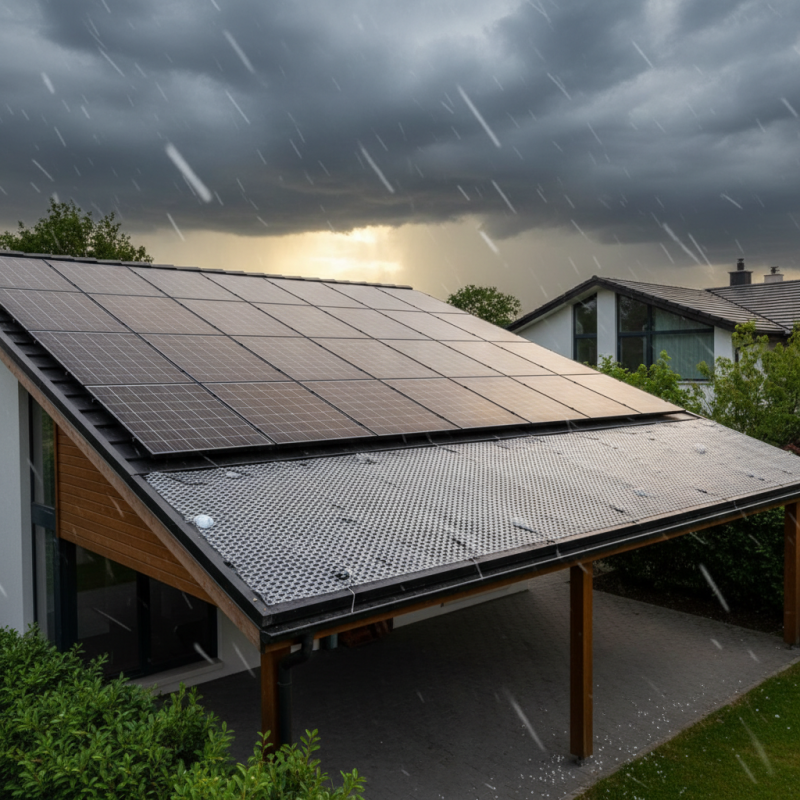
Understanding the Risks of Hail Damage to Solar Panels
Hail damage poses a significant threat to solar panels. In regions where hailstorms are common, the implications can be severe and costly. According to a report by the National Renewable Energy Laboratory, solar panels can sustain critical damage during hail events, leading to performance losses of up to 30%. This reality underscores the need for effective protective measures.
To mitigate hail risks, consider these tips. First, choose panels designed with impact-resistant materials. Some manufacturers offer products tested against hailstones up to 1.75 inches. This feature can enhance durability and longevity.
Additionally, installing protective screens or structures can shield panels from severe weather. Research indicates that such barriers can reduce hail damage by up to 50%. However, installation costs and aesthetic considerations must be weighed.
Despite these strategies, some panels may still be vulnerable. Regular inspections after storms can help identify hidden damages early. This proactive approach can maintain efficiency and prolong the lifespan of solar energy systems.
Materials and Design Features That Enhance Hail Resistance
When it comes to protecting solar panels from hail damage, selecting the right materials is crucial.
Tempered glass is a preferred choice for its durability. It is designed to withstand impact better than standard glass.
Panels built with this material can endure hailstones up to a certain size. However, it doesn't guarantee complete protection.
Consider the frame materials as well. Anodized aluminum provides strength and helps resist bending.
It also withstands corrosion, ensuring longevity. Some manufacturers even implement reinforced edges for extra protection.
Choosing designs with these features can enhance resilience.
Tip: Regular maintenance and inspections are essential. Look for signs of wear or damage after storms.
Ensure the mounting systems are secure and able to handle severe weather. Being proactive can save you from costly repairs down the line.
Another point to think about is the installation angle.
Installing panels at a slight tilt can allow debris, including hail, to slide off more easily. This method minimizes the risk of collecting damaging impacts directly.
Tip: Always seek expert guidance for installation.
Professionals can advise you on the best design features tailored to your local weather conditions. They understand what enhances hail resistance effectively.
Preventative Measures to Safeguard Solar Panels from Hail
Hail can severely damage solar panels. To minimize risks, adopting preventative measures is crucial. One effective strategy is installing protective screens. These can absorb impacts and shield panels from hailstones. Ensure that the screens are made from durable materials that withstand harsh weather conditions. Regular inspection and maintenance are also necessary. Check for wear and tear in the protective layers.
Another option is using specialized hail-resistant panels. These panels are engineered to withstand extreme weather events. They often feature tougher glass and better sealing. However, the cost can be higher, and not all designs suit every installation. Carefully consider your options based on local climate conditions and budget.
Finally, landscaping can play a role. Planting trees or shrubs around the installation site can provide natural barriers against hail. However, this may introduce other maintenance challenges. Regularly assess your landscape for growth that could interfere with solar performance. Balancing protection with functionality is key.
Installation Best Practices for Hail-Prone Areas
When installing solar panels in hail-prone areas, proper techniques can make a significant difference. Experts recommend using tempered glass for panels. This glass type can withstand impacts better than standard glass, reducing the risk of damage. A report from the Solar Energy Industries Association indicates that panels with this glass can endure hailstones of up to 1.75 inches in diameter.
Mounting systems also play a crucial role. Roof installations should use durable frames and secure fasteners. These components should be rated for high wind and storm conditions. A reliable installation can lower damage rates significantly. According to the National Renewable Energy Laboratory, well-installed systems in hail-prone regions can see damage rates drop by over 60%.
Consider the angle of installation. Steeper angles can help prevent hail accumulation and direct debris away from the panel surface. However, regular maintenance is essential. Inspect installations periodically to identify signs of wear or vulnerability. A proactive approach can mitigate issues before they lead to costly repairs. Investing time in both installation and ongoing checks enhances the longevity and reliability of solar systems in these challenging environments.
Hail Impact Resistance of Solar Panels by Installation Method
Routine Maintenance and Inspection for Damage Prevention
Routine maintenance and inspection are vital for protecting solar panels from hail damage. Regularly examining your panels can help identify vulnerabilities. Look for cracks, loose mounts, or any signs of wear. Early detection can save you from costly repairs later. Checking panels after severe weather events is a good practice.
Cleaning debris off panels is equally important. Leaves and dirt can accumulate, leading to decreased efficiency. If not cleaned, they might hide underlying damage that needs attention. The use of a soft brush or a gentle rinse is recommended for cleaning. Avoid harsh chemicals or abrasive materials that might scratch the panels.
Also, consider the surrounding environment. Tree branches might pose a risk during storms. Trim them back to prevent potential hail impact. Be mindful of changes in local weather patterns, as hail frequency may vary. Regular inspections can help you adapt your maintenance routine accordingly. While no method is foolproof, a proactive approach minimizes risks and extends the lifespan of your solar panels.
How to Effectively Protect Solar Panels from Hail Damage
| Maintenance Activity |
Frequency |
Purpose |
Recommended Tools |
| Visual Inspection |
Monthly |
Identify physical damage or debris |
Binoculars, ladder |
| Cleaning Panels |
Every 3 months |
Remove dirt and debris to maintain efficiency |
Soft cloth, squeegee, hose |
| Hail Protection Assessment |
Before hail season |
Ensure panels are ready for hail conditions |
Protective covers, impact-resistant materials |
| Professional Inspection |
Annually |
Comprehensive check of panels and systems |
Professional tools, inspection reports |
Conclusion
When considering how to protect solar panels from hail damage, it is essential to understand the risks associated with hail and its potential impact on panel integrity. Solar panels are vulnerable to breakage and performance issues due to severe weather conditions, particularly in hail-prone regions. Utilizing materials and design features that enhance hail resistance, such as tempered glass and reinforced frames, can significantly mitigate damage risks.
In addition to choosing robust materials, implementing preventative measures is crucial. This includes proper installation techniques tailored to local climatic conditions, ensuring panels are securely mounted, and positioned optimally to minimize direct exposure to hail. Regular maintenance and thorough inspections can help identify and address any vulnerabilities before they lead to significant damage, securing the longevity and efficiency of solar panel systems in the face of hailstorms. By following these guidelines, users can effectively protect their solar investments from the threat of hail damage.

 RayBoost Solar