Monitoring solar production on a smartphone has become increasingly essential for solar panel users. Experts emphasize the significance of this capability. John Green, a solar technology expert, states, "The ability to track your solar energy generation in real-time empowers users to optimize their systems." This statement highlights the practical benefits of smartphone monitoring.
With the rise of smart devices, homeowners can conveniently keep an eye on their solar energy production. The real-time data allows users to adjust their energy consumption according to the solar output. Some applications offer detailed insights into daily and monthly production trends.
However, not every monitoring solution is user-friendly. Some applications may have complex interfaces or lack helpful features. Users often find themselves overwhelmed by the options available. It's essential to choose an intuitive app that suits individual needs. Understanding how to monitor solar production on a smartphone can transform the solar energy experience into something more manageable and efficient.
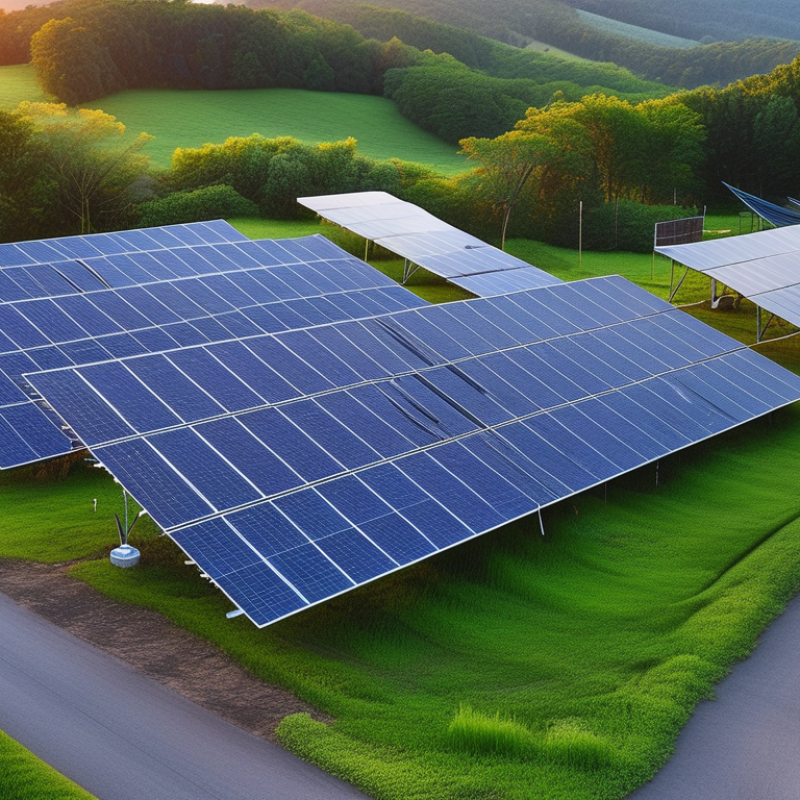
Understanding solar production monitoring is essential for anyone using solar energy. Tracking how much energy your panels produce helps evaluate their effectiveness. You can gain insights on consumption and savings. This awareness supports informed decisions regarding energy use.
Monitoring solar production often involves using mobile apps. These apps allow users to view real-time data on energy output from their smartphones. Users can check daily, weekly, or monthly performance. Most applications provide simple interfaces to understand. Visual data, such as graphs, can help clarify trends. While many find these features helpful, some struggle with data interpretation.
Inexperience may lead to frustration. Users should remember that not all systems produce the same results. Variations can occur based on location and weather conditions. It’s crucial to reflect on performance differences over time. Analyzing energy data may reveal patterns you weren't aware of. Taking time to understand these details can enhance your solar experience significantly.
Monitoring solar production is essential for homeowners who invest in renewable energy. Understanding how much energy their solar panels produce can lead to better financial decisions. By tracking solar production data, homeowners can evaluate the efficiency of their system. This helps determine if their investment is yielding expected returns.
Knowing solar production data also enables homeowners to make necessary adjustments. For instance, if production drops, it might signal a need for maintenance or cleaning. Regular monitoring fosters a sense of responsibility regarding energy use. Homeowners should not overlook these details.
Tracking production on a smartphone adds convenience. Users can check data anywhere and anytime. This accessibility may encourage greater energy conservation efforts. Small changes, like reducing usage during low production hours, can be impactful. Homeowners can also compare their solar output with neighbors to see where improvements are needed. The importance of solar production data is clear — in making informed choices and optimizing energy use.
Monitoring solar production is now easier than ever thanks to advances in smartphone technology. Many apps are available that allow homeowners to track their solar energy generation in real time. These apps provide detailed insights, such as energy output, weather conditions, and system performance. Users can quickly see how much energy they generate each day and how it compares to previous periods.
Some features to look for include performance graphs and notifications for any issues. Real-time data is crucial for understanding the efficiency of your solar panels. However, not all apps are user-friendly or reliable. It's important to choose an app that is intuitive and well-reviewed by other users. Some may require frequent updates, which can be frustrating.
Regularly checking your solar production is valuable, but it’s also essential to reflect on what the data means. For example, one may notice lower production during certain months. Understanding these patterns can help optimize energy use. The goal is to maximize the benefits of your solar investment. Ultimately, a reliable smartphone app can enhance your experience and assist in making informed decisions.
Monitoring your solar production on a smartphone can enhance your understanding of solar energy efficiency. Solar production statistics show how much energy your system generates. Key measurements include energy output, peak production times, and overall efficiency. Understanding these figures can help you optimize your energy usage.
Interpreting data can sometimes feel overwhelming. Don't stress if you find it challenging. Start with basic metrics like kilowatt-hours produced per day. Next, look at trends over time to see how seasonality affects your production. Tracking daily production can highlight peak sunny days, while cloudy weather will show reduced output.
Tips: Regularly check your app for updates. Examine data patterns weekly. If production drops unexpectedly, investigate system performance.
Remember, not all days will be sunny. Understanding variations in production can improve your system's long-term performance. Make adjustments in energy use based on your findings. Embracing the learning curve can lead to a more efficient solar experience. Be open to interpreting the unexpected. Each detail offers insights into maximizing your solar investment.
Monitoring solar production effectively requires the right metrics and tools. Solar systems generate data about energy production and consumption. Understanding this data can help homeowners maximize efficiency. According to the National Renewable Energy Laboratory, accurate performance monitoring can improve energy output by up to 20%.
Key metrics include kilowatt-hours (kWh) produced, system efficiency, and energy consumption. Tracking these numbers allows users to identify issues early. Performance ratios can reveal how much energy is lost due to shading or equipment failure. This understanding can guide timely maintenance decisions.
Tools for monitoring range from smartphone apps to web-based platforms. They offer real-time updates and detailed analytics. However, many users report feeling overwhelmed by the data. Not all apps present information clearly, leading to confusion. It's essential to choose tools that balance comprehensive data with user-friendly interfaces. Simplified visuals can make complex data more accessible, enhancing user engagement.
This chart displays the solar energy production over a week. The data represents the daily production in kilowatt-hours (kWh) for a typical residential solar system.
: Monitoring helps evaluate energy panel effectiveness and supports informed energy use decisions.
Most users utilize smartphone apps for real-time data on energy output and performance.
Look for performance graphs, issue notifications, and ease of use for effective monitoring.
Yes, variations in weather can lead to different energy output based on location and conditions.
Key metrics include kilowatt-hours produced, system efficiency, and performance ratios.
Some apps are not user-friendly or require frequent updates, causing potential frustration for users.
Regular reflection on patterns, like seasonal variations, can help optimize energy use and decision-making.
Tools range from smartphone apps to web-based platforms, offering both real-time updates and analytics.
Understanding performance data allows users to identify issues early and guide timely maintenance decisions.
Users often feel overwhelmed by complex data and unclear presentations in some applications.
In the quest to understand how to monitor solar production on a smartphone, homeowners must first grasp the basics of solar production monitoring. This understanding is crucial as it highlights the importance of keeping track of solar energy data, empowering homeowners to make informed decisions about their energy consumption and efficiency.
Smartphone apps have revolutionized real-time solar energy monitoring, providing users with convenient access to their solar production statistics. By interpreting these statistics, users can gain insights into system performance and spot any potential issues. Additionally, various metrics and tools are available for comparing the performance of solar systems, enabling users to optimize their setups effectively. Overall, this blend of technology and data aids homeowners in maximizing the benefits of their solar investments.

RayBoost Solar