The photovoltaic industry has seen rapid advancements over the past two decades, especially regarding solar panel technology. A key question arises: "What is the difference between monocrystalline and polycrystalline?" Monocrystalline panels are made from a single crystal structure, offering higher efficiency rates of around 20% to 22%. In contrast, polycrystalline panels, constructed from multiple crystal fragments, often yield efficiencies between 15% and 17%.
According to solar energy analyst Dr. Emily Harper, "The choice between monocrystalline and polycrystalline can influence both cost and performance." In her recent report on solar energy trends, she noted that while monocrystalline panels typically cost more upfront, their longevity can lead to better long-term savings. This trade-off is crucial for consumers looking to maximize both efficiency and cost-effectiveness in their solar investments.
As solar technology evolves, understanding these differences helps consumers make informed decisions. With an increasing number of manufacturers, the market becomes overloaded with options. Each choice carries unique implications. Thus, exploring the characteristics of both types of solar panels is essential for any prospective solar adopter, particularly when weighing their long-term benefits and challenges.
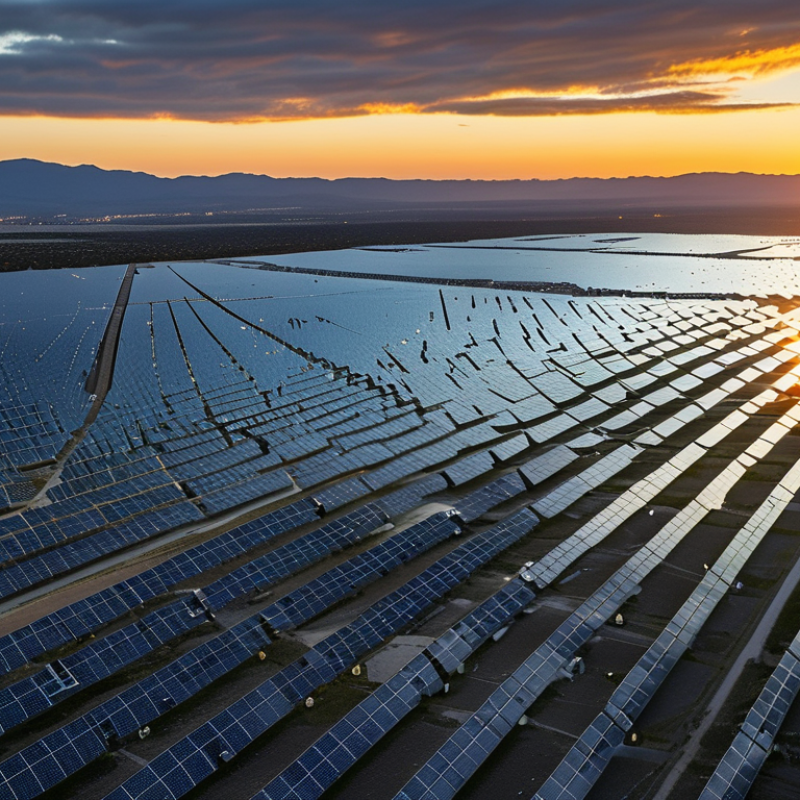
Definition of Monocrystalline Solar Cells
Monocrystalline solar cells are a popular type of photovoltaic technology. They are made from a single, continuous crystal structure of silicon. This purity allows them to achieve higher efficiencies, often over 20%. As a result, they can convert more sunlight into electricity than other types, making them effective in limited space.
One of the main characteristics of monocrystalline cells is their uniform appearance. They typically have a darker shade and rounded edges, which many people find visually appealing. However, manufacturing them is more intricate and costly. This higher production cost can sometimes reflect in the pricing of solar panels.
While monocrystalline panels have strong performance, they can also present challenges. For instance, their efficiency decreases at higher temperatures. Additionally, if one part of the panel is shaded, it can impact overall energy output significantly. It’s important for potential users to weigh these factors carefully.
Characteristics of Monocrystalline Solar Cells
Monocrystalline solar cells are made from a single crystal structure. This gives them high efficiency and long lifespan. They usually have a uniform look with rounded edges. Because of their purity, they generate more electricity in limited space. This makes them ideal for residential roofs or small installations.
One notable characteristic of monocrystalline cells is their performance in low-light conditions. They can still produce energy even on cloudy days. However, they tend to be more expensive than polycrystalline options. This price reflects their advanced manufacturing process and higher efficiency. Some buyers often overlook this detail.
Tips: When considering solar panels, think about your available space. Monocrystalline panels might be costlier upfront but can save money in the long run. Evaluate your energy needs carefully. Sometimes, the cheapest option isn’t the best investment.
What is the difference between monocrystalline and polycrystalline? - Characteristics of Monocrystalline Solar Cells
| Characteristic |
Monocrystalline |
Polycrystalline |
| Efficiency |
15% - 22% |
13% - 17% |
| Cost |
Higher |
Lower |
| Lifespan |
25+ years |
20-25 years |
| Temperature Coefficient |
Better performance in high temperatures |
Less efficient in high temperatures |
| Appearance |
Uniform black color |
Bluish color with a speckled look |
| Waste Material |
Less waste in manufacturing |
More silicon waste |
Definition of Polycrystalline Solar Cells
Polycrystalline solar cells are a popular choice in the renewable energy sector. They are made from multiple silicon crystals, creating a mosaic-like structure. This results in a lower production cost compared to monocrystalline cells. Polycrystalline cells typically have an efficiency of around 15-20%, according to recent industry reports. This efficiency level can impact energy output, especially in areas with limited sunlight.
The manufacturing process of polycrystalline solar cells uses less energy than their monocrystalline counterparts. This is beneficial to the environment. However, the trade-off is often lower efficiency and space constraints. As solar technology evolves, polycrystalline cells may face challenges in maximizing energy output. The industry must continuously adapt to improve this technology.
Polycrystalline solar panels represent about 50-60% of the global solar market. This statistic reflects their affordability and widespread availability. Consumers often prioritize cost-effectiveness, but efficiency remains a pivotal factor. Balancing these aspects can be complex, and ongoing research is essential for future advancements.
Characteristics of Polycrystalline Solar Cells
Polycrystalline solar cells are made from multiple silicon crystals. This production process leads to unique characteristics. The manufacturing involves melting raw silicon and letting it cool, forming smaller crystals. This method is typically less expensive than creating monocrystalline cells. However, the efficiency tends to be lower, averaging around 15-20%.
The look of polycrystalline cells is distinct. They exhibit a bluish hue and a speckled pattern. This visual difference arises from the multiple crystalline structures within each cell. While they may not perform as efficiently as their monocrystalline counterparts, polycrystalline cells are still a viable option for many solar applications. Their lower costs make them a popular choice for large-scale installations.
However, there are downsides to consider. Polycrystalline cells are often less efficient in low light conditions. Temperature increases can also affect their performance significantly. Some users find this to be a critical aspect of their energy needs. These factors highlight the importance of assessing specific needs before choosing polycrystalline solar cells. Understanding these characteristics can help in making informed decisions for solar energy systems.
Comparison of Efficiency and Cost between Both Types
When comparing monocrystalline and polycrystalline solar panels, efficiency and cost are crucial factors. Monocrystalline solar panels are often more efficient. They typically have an efficiency rate of 15% to 22%. The higher efficiency comes from their pure silicon structure. This means they can generate more electricity per square meter. However, this efficiency comes at a price. Monocrystalline panels are usually more expensive to manufacture.
Polycrystalline panels have a lower efficiency, usually around 13% to 16%. While less efficient, they are cheaper to produce. Their structure consists of multiple silicon crystals, which makes them less efficient. However, they perform well in larger installations where space is not a major concern. Some may find that the lower upfront cost of polycrystalline panels can offset their efficiency disadvantage over time.
It's essential to consider the installation location too. In areas with limited sunlight, higher efficiency panels may be more beneficial. This trade-off between cost and efficiency requires careful consideration. Each option has its pros and cons, making it important for consumers to evaluate their specific needs. Factors like budget, space, and energy requirements should be weighed before making a decision.
Conclusion
In exploring the question, "What is the difference between monocrystalline and polycrystalline?", it is essential to understand the distinct definitions and characteristics of both types of solar cells. Monocrystalline solar cells are made from a single crystal structure, allowing them to have high efficiency and occupy less space due to their uniform composition. Conversely, polycrystalline solar cells consist of multiple crystal structures, often resulting in a lower efficiency but typically at a more affordable cost.
When comparing efficiency and cost, monocrystalline cells generally outperform their polycrystalline counterparts in energy conversion rates, making them suitable for applications where space is a premium. However, the lower cost of polycrystalline cells can make them an attractive option for larger installations where budget constraints play a more significant role. Understanding these differences is crucial for those looking to invest in solar energy solutions.

 RayBoost Solar