When considering solar panel efficiency in winter, one crucial question arises: "What is the best angle for solar panels in winter?" According to solar energy expert Dr. Emily Green, “Adjusting the angle of panels can significantly enhance their winter performance.” This insight emphasizes the importance of optimizing solar panel orientation during the colder months.
Winter poses unique challenges for solar energy production. Snow cover and lower sun angles can diminish efficiency. It's vital to find a balance in tilt to maximize sun exposure. Many homeowners underestimate the impact of angle adjustments. In fact, a slight tilt change can capture more sunlight, especially when the sun is lower in the sky.
Determining the optimal angle involves understanding your geographic location. In northern regions, a steeper angle may be needed. However, some may fail to consider seasonal changes. Relying solely on fixed angles can lead to less energy output. Reflecting on these details can make a notable difference. Understanding the question, “What is the best angle for solar panels in winter?” is a step towards better solar energy utilization.
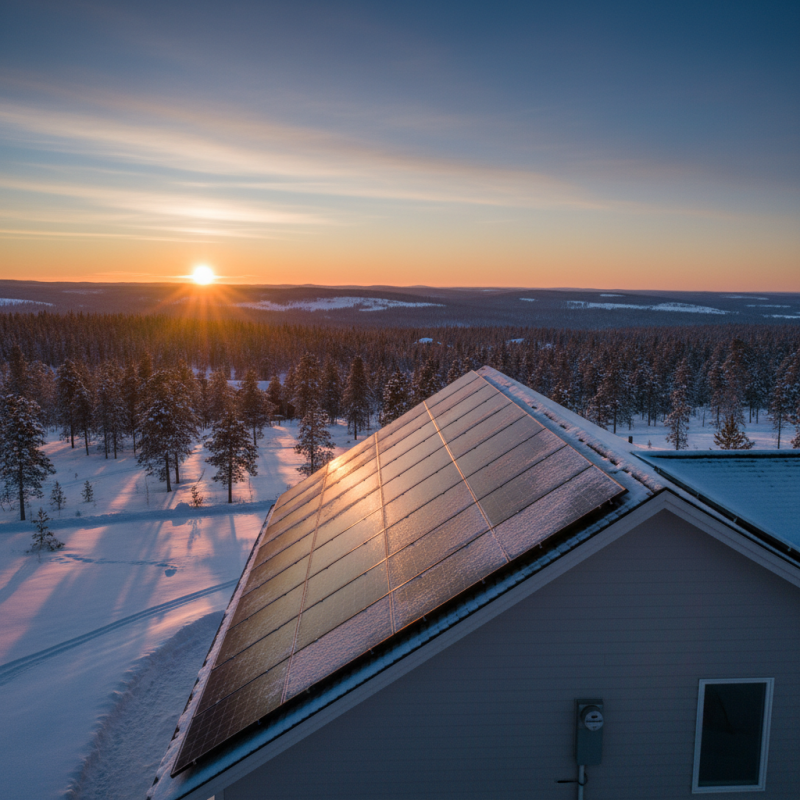
Understanding the angle of solar panels is crucial during winter months. As the sun's position changes, optimizing angles can significantly boost energy production. Studies show that adjusting panels to a tilt between 30 to 45 degrees captures more sunlight in winter. This is due to the sun's lower trajectory in the sky, affecting how efficiently sunlight hits the panels.
Data from the National Renewable Energy Laboratory indicates that solar panels can be up to 25% more effective when angled properly in winter. However, not all locations benefit the same way. Factors like geographical location and weather patterns play a role. For instance, snowy areas may require different adjustments compared to sunnier, southern regions.
Many homeowners overlook these seasonal changes. Panels set at a fixed angle often miss out on potential energy gains in winter. This can lead to disappointment when energy bills arrive. Awareness of solar panel angles is essential. Regular assessments can ensure maximum efficiency, particularly when the days are shorter and the sunlight is weaker. Balancing angle adjustments with other performance factors is key to effective solar energy use.
When considering the optimal angle for solar panels in winter, several factors come into play. The sun's lower position in the sky affects solar energy production. A common recommendation is to tilt solar panels at an angle equal to the latitude of your location plus 15 degrees. This adjustment allows for better sunlight capture during the winter months.
Snow accumulation on panels can hinder performance. A steeper angle can help shed snow more effectively. Studies show that panels with a 30-degree angle could increase winter energy output by up to 30%. Yet, finding the right balance is essential. If the angle is too steep, it may capture less sunlight during the shorter days.
**Tip:** Regularly clean your solar panels. Dust and debris can also block sunlight. Winter maintenance checks are crucial to ensure efficiency.
Orientation is another aspect to consider. Panels facing true south generally perform best during winter. However, local geography can also impact sunlight exposure. Nearby trees or buildings may create shade. Keep these factors in mind when deciding on your installation.
**Tip:** Use solar pathfinders to analyze sunlight patterns. These tools can help determine optimal placements and angles for maximum energy efficiency.
| Location | Optimal Angle (Degrees) | Average Winter Sun Elevation (Degrees) | Average Snowfall (Inches) |
|---|---|---|---|
| New York City, NY | 45 | 25 | 30 |
| Chicago, IL | 50 | 20 | 36 |
| Denver, CO | 40 | 30 | 25 |
| Seattle, WA | 35 | 15 | 5 |
| Los Angeles, CA | 30 | 40 | 0 |
Understanding the ideal tilt for solar panels in winter is crucial. The angle impacts energy production significantly. The sun's position changes, and it's lower in the sky during winter months. Thus, effective calculations are vital for optimal performance.
One method for determining the best angle is to consider your geographical location. A simple rule is to adjust the angle by adding 15 degrees to your latitude. This adjustment helps accommodate the sun’s lower trajectory. For example, if you're at a latitude of 40 degrees, set your panels at 55 degrees. This tactic may maximize your solar gains.
Tips: Keep in mind snow accumulation. If snow builds on your panels, it can block sunlight. A steeper angle helps snow slide off more easily. Additionally, check your local weather patterns. In some regions, a flat angle may work better. Observing your specific conditions is crucial for successful energy production.
Winter presents unique challenges for solar panel efficiency. Adjusting the orientation of solar panels becomes crucial during this season. The angle of installation should ideally match the latitude of your location. Studies suggest that tilting panels at an angle approximately equal to your latitude can enhance sun exposure.
In winter, the sun's path shifts lower in the sky. Adjusting your solar panels to a steeper angle can capture more sunlight. For example, if you live at a latitude of 40 degrees, tilting your panels to about 65 degrees may improve energy collection significantly. Reports indicate that a 15-degree adjustment can boost energy yield by 10-20% in winter months.
Cleaning snow and debris also plays a vital role in maximizing exposure. Snow accumulation can block sunlight. Regular maintenance ensures optimal performance. Research indicates that neglected panels can lose up to 25% of their efficiency during snowy conditions. Engaging with experts can provide tailored adjustments based on specific environmental factors, enhancing reliability in energy production.
When installing solar panels in winter, avoiding common mistakes is crucial. One frequent error is not adjusting the angle of the panels. Many homeowners keep their panels at a fixed angle year-round, missing out on winter sunlight. In winter, the sun is lower in the sky. A steeper angle can optimize sunlight absorption. Testing different angles may enhance energy capture significantly.
Another common mistake is neglecting to clear snow. Accumulated snow or ice on panels blocks sunlight. Regularly removing snow can improve efficiency. However, be cautious—using sharp tools can damage the panels. A soft brush or cloth is safer and often effective. Also, consider the panel's location. Trees or buildings nearby can cast shadows. Make sure your installation area is unobstructed.
Focusing solely on winter performance can lead to other oversights. Regular maintenance is essential year-round. Clean the panels and check for damage. This vigilance ensures that panels work efficiently, minimizing surprises. Winter conditions can challenge solar energy systems, but with careful planning, you can enhance their performance.
: The angle maximizes sunlight capture, significantly boosting energy production during colder months.
A tilt of 30 to 45 degrees usually works best to capture more sunlight.
They can be up to 25% more effective when positioned correctly.
Yes, different locations and weather patterns influence the efficiency of angle adjustments.
Snow accumulation can block sunlight, so a steeper angle helps it slide off easily.
Many set their panels at a fixed angle, overlooking seasonal adjustments.
Add 15 degrees to your latitude for optimal solar panel positioning.
They often miss valuable energy opportunities in winter, leading to disappointment.
Yes, ensuring optimal efficiency requires a balance of both factors throughout the seasons.
Absolutely, regular checks help maintain maximum efficiency during shorter days and weaker sunlight.
Determining the optimal angle for solar panels in winter is crucial for maximizing energy production. The best angle for solar panels in winter typically differs from that in summer due to the lower position of the sun in the sky. Factors such as your geographical location, local weather conditions, and the tilt of your roof can all influence this ideal angle.
To achieve maximum winter sun exposure, it is essential to adjust the solar panel orientation accordingly and calculate the tilt by considering the sun's altitude during winter months. Common mistakes, such as improper alignment or neglecting local weather patterns, can hinder the efficiency of solar panels. By understanding these aspects and applying the correct methods, homeowners can significantly improve the performance of their solar energy systems during the colder months.

RayBoost Solar