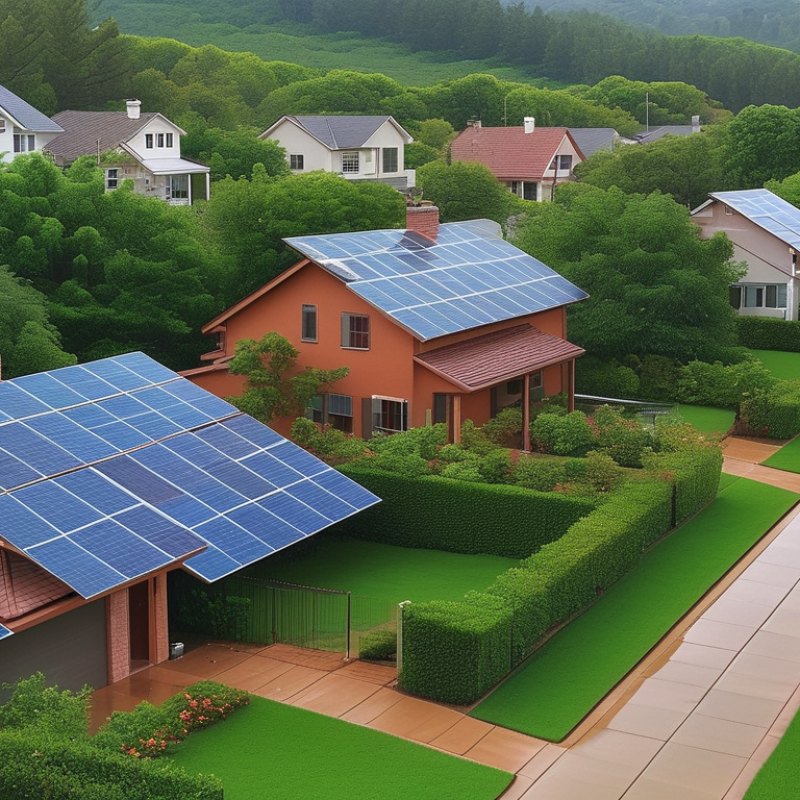
How to Calculate the Number of Solar Panels Needed?

Time:2026-05-11 Author:Madeline
0%

As the world shifts toward sustainable energy, understanding how to calculate how many solar panels I need becomes vital. According to the National Renewable Energy Laboratory, average households require between 20 to 25 solar panels to meet their energy needs. However, this number can vary significantly based on several factors, including geographic location, energy consumption, and roof space.

When calculating the number of solar panels required, one must consider the average sunlight available in a specific area. A report from the Solar Energy Industries Association mentions that regions with ample sunlight can generate more energy with fewer panels. Additionally, one’s electricity bill will provide insights into consumption patterns. This complexity reveals that there is no one-size-fits-all answer.

Inaccurate estimates can result in excess expenditure or insufficient energy generation. Many often overlook these variables. Seeking guidance from professionals or utilizing online calculators can provide clarity. This process is essential for making informed decisions that align with personal energy goals and budgets.

How to Calculate the Number of Solar Panels Needed?

Understanding Your Energy Needs

Understanding your energy needs is essential when considering solar panels. Begin by evaluating your monthly electricity consumption. Check your utility bills to find out how much energy you use in kilowatt-hours (kWh). This number forms the foundation of your calculations. Knowing your average usage helps you determine how much energy you'll need from your solar panels.

Next, consider future energy changes. If you're planning to expand your home or buy electric vehicles, factor in those additional needs. This could mean needing more panels. Evaluate local sunlight conditions as well. The amount of sun you receive affects how much energy your panels will produce. A sunny location may allow you to use fewer panels to meet your energy goals.

Finally, remember solar panel efficiency can vary. Different panels perform better in certain conditions. Use reliable online resources or consult with professionals to get accurate estimates. Sustainable energy decisions require careful planning, so reflect on your choices regularly. It’s okay if your understanding evolves over time; research is ongoing.

How to Calculate the Number of Solar Panels Needed? - Understanding Your Energy Needs

Household Monthly Energy Consumption (kWh) Solar Panel Output (kWh per panel per month) Number of Solar Panels Needed
300 30 10
500 30 17
700 30 23
900 30 30
1100 30 37

Evaluating the Solar Panel Output

Evaluating the solar panel output is crucial in determining how many panels you need. The output depends on several factors, including panel efficiency, sunlight exposure, and location. Each solar panel has a rated capacity, typically measured in watts. For example, a panel rated at 300 watts will produce a maximum of 300 watts under ideal conditions. However, real-world conditions vary.

To calculate the total output, consider your daily energy consumption. Look at your electricity bill for reference. Divide your monthly usage by 30 to get daily needs. Then, factor in the average sunlight hours in your area. Generally, a location with six hours of sunlight will yield more energy than one with only four. Multiply your daily energy needs by the number of sunlight hours.

Not all calculations yield precise results. Various variables like shading or panel degradation can affect output over time. It’s wise to plan for these inconsistencies. Additionally, if you cover a rooftop with panels, check for any obstructions. These could significantly impact energy production. Be mindful of these factors to ensure you accurately estimate your solar energy needs.

Calculating Roof Space for Solar Panels

When determining the number of solar panels required for your home, assessing roof space is crucial. Measuring usable area is a vital first step. Count only the sections that receive direct sunlight. Shade from trees or buildings can significantly reduce panel efficiency.

Consider the direction of your roof. South-facing roofs typically receive the most sunlight throughout the day. Not every roof is ideal for solar panels. If your roof has obstructions, you may need fewer panels than expected.

Tips: Measure your roof's dimensions carefully. Aim for at least 60-80 square feet per panel for optimal performance.

Don’t forget to examine local regulations or homeowners association rules. Some areas have specific installation guidelines. Reflect on your energy needs. If your household energy consumption is high, you may need more panels. Optimizing the use of your roof space will lead to better energy savings, but ensure you’re making informed choices.

Determining the Local Sunshine Hours

Determining local sunshine hours is crucial for calculating the number of solar panels necessary for a given location. The sunshine hours can vastly differ based on geography. For instance, regions near the equator often receive more consistent solar exposure than areas further north or south. It is not uncommon for sunny locales to have over 300 sunny days a year, while some areas might only accumulate around 100.

To estimate the required solar panels, you must first understand the average peak sunlight hours in your area. According to the National Renewable Energy Laboratory (NREL), the average peak sunlight hours in the United States range from 3 to 7 hours daily. For a home requiring a 6 kW solar system, one would require about 420-840 square feet of space depending on the local sunlight conditions.

Yet, relying solely on average figures can be misleading. Seasonal changes and weather patterns can affect actual sunlight availability. It's essential to assess local weather data to create a more accurate projection. Tools like solar calculators can incorporate your specific geographic data, improving reliability. Analyzing local sunshine trends can also reveal unexpected patterns. These nuances ensure a tailored approach to meet energy needs effectively.

Solar Panels Required Based on Sunshine Hours

Assessing Budget and Installation Factors

When planning to install solar panels, assessing your budget and installation factors is crucial. The average cost of solar panels in the U.S. ranges from $15,000 to $25,000 before tax credits. This price includes equipment and installation costs. It varies based on the type of solar technology you choose and the complexity of the installation.

When considering your budget, factor in local incentives. According to the Solar Energy Industries Association, some states offer rebates or tax credits that can significantly reduce upfront costs. Understand that installation factors like roof orientation and shading will also impact system efficiency. For instance, a south-facing roof typically receives optimal sunlight. This can enhance energy production.

Tips: Study local regulations regarding solar installations. Some areas have specific codes that may influence your project's budget. Consider engaging with local solar installers for customized estimates. They can provide insights based on previous installations in your area. Think about your energy needs. You may start with a smaller system and expand it later as your budget allows. Adjusting your expectations can lead to a more feasible project.

FAQS

: How do I understand my energy needs for solar panels?

: Evaluate your monthly electricity consumption from utility bills in kilowatt-hours (kWh). This is essential.

What factors should I consider for future energy needs?

Consider any home expansions or electric vehicle purchases. These will increase your energy requirements, possibly needing more panels.

How does sunlight impact solar panel energy production?

Local sunlight conditions significantly affect energy production. More sun typically means fewer panels are needed for your energy goals.

What is the importance of solar panel efficiency?

Solar panel efficiency varies. Different panels perform better in specific conditions, impacting overall energy output.

How should I evaluate my solar panel output?

Calculate total output by assessing panel efficiency, sunlight exposure, and your daily energy consumption. Real-world conditions differ.

What should I consider when measuring roof space for solar panels?

Measure usable roof areas that receive direct sunlight. Shade from trees or buildings cuts down panel efficiency.

How can I ensure I have enough roof space for solar panels?

Aim for at least 60-80 square feet per panel for optimal performance. Obstructions may reduce the number of panels you can install.

What should I keep in mind about local regulations?

Local regulations or homeowners association rules may outline specific installation guidelines. Always check these before planning.

Can shading affect my solar panel output?

Yes, shading from trees or buildings can significantly reduce panel efficiency. It is crucial to consider this while planning.

How often should I reflect on my solar energy choices?

Regular reflection is important as your understanding may evolve. Ongoing research can help you make informed decisions.

Conclusion

When considering solar energy, one pivotal question arises: "How to calculate how many solar panels I need?" To answer this, it's essential first to understand your energy needs by reviewing your typical energy consumption. Next, evaluate the output of solar panels, which varies based on their efficiency and sunlight exposure.

Once you have this information, measure the available roof space for installation, as this dictates how many panels you can feasibly install. Additionally, determining local sunshine hours will provide insight into the effective energy generation potential of your panels. Lastly, it's crucial to assess your budget and installation factors, as these will influence the overall feasibility and scale of your solar power system. By taking these steps, you can accurately calculate the number of solar panels required to meet your energy needs.

Madeline

Madeline

Madeline is a dedicated marketing professional with a wealth of expertise in our company's core offerings. With a keen understanding of the industry, she brings a unique perspective to her role, consistently delivering high-quality content that highlights the superior aspects of our products. As......