Are portable solar panels worth it for camping? The answer depends on your power needs, campsite conditions, and tolerance for waiting. A compact panel can quietly recharge a phone beside a tent. It can also keep a GPS device, headlamp, or small power bank ready for another day outdoors.
Solar educator Will Prowse states, “A solar panel only makes power when the sun is shining.” That simple warning matters. Even a high-rated 100-watt panel may produce much less energy under clouds, tree cover, or poor positioning. Real-world output often falls below the number printed on the packaging. This is where many buyers feel disappointed.
China-made portable solar panels can offer practical value, especially when they use efficient cells, strong folding hinges, and reliable connectors. However, low prices should not replace careful testing. Check the panel’s measured output, weather resistance, weight, warranty, and compatibility with your power station. A heavy panel may become frustrating during a long hike. A tiny panel may recharge too slowly for several devices.
From camping experience, solar works best as a supplement, not a guaranteed power source. Place the panel in direct sunlight, adjust it during the day, and keep cables protected from rain. Still, expectations need honesty. If you only charge a phone, solar may be worthwhile. If you expect fast cooking, heating, or overnight electricity, a larger battery remains necessary. The answer is useful, but not universal.
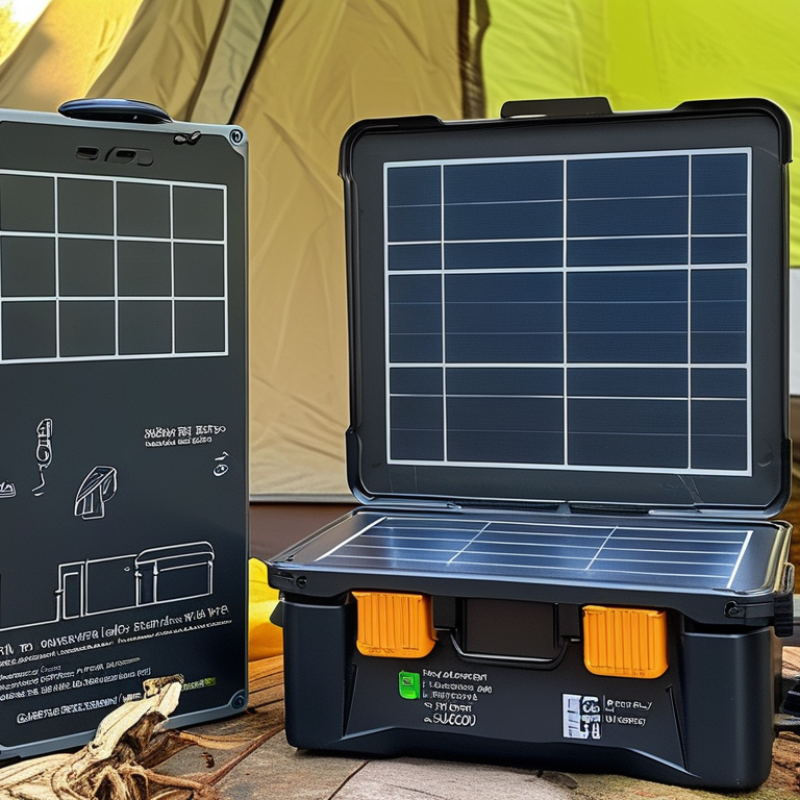
Portable solar panels from China now cover a practical range for camping, from compact 50W folders to larger 400W systems. The smaller panels usually suit phones, lamps, cameras, and small power banks. A 100W or 200W foldable panel offers more useful capacity for weekend trips. It can support a portable power station during daylight. The 400W class is heavier and needs more ground space. It makes better sense for longer stays or several devices.
Foldable models use hinged sections with protective surfaces and adjustable stands. They pack neatly, but hinges and cable connections deserve careful inspection. Blanket models are lighter to spread across a vehicle roof or campsite table. They usually store easily in a soft case. However, wind can move them quickly. I once placed a blanket panel beside a tent and lost several charging hours after its angle changed.
Actual output rarely matches the printed wattage. Clouds, heat, dust, and poor positioning reduce performance. In field use, a 200W panel may deliver much less during changing weather. Check the connector type, open-circuit voltage, folded size, and water-resistance rating before buying. A reliable panel should include clear electrical specifications and basic safety instructions. I would also test its output before a trip, because one loose cable can ruin a carefully planned charging schedule. Some choices still require compromise. Lightweight panels are convenient, but they may sacrifice durability.
: A 50W panel can charge phones, lamps, cameras, and small power banks. A 100W or 200W model offers more useful capacity. The 400W class needs more space and feels heavier.
Foldable panels use hinged sections, protective surfaces, and adjustable stands. They pack neatly, but hinges need regular inspection. Blanket panels are lighter and store in soft cases. Wind can move them quickly.
Four to six peak sun hours suggest 400–600 watt-hours. Real output may fall to about 280–510 watt-hours. Clouds, heat, dust, angles, and cables reduce production. The printed rating is optimistic.
Yes, during suitable daylight conditions. A 500Wh power station may need roughly one to two sunny days. Charging limits and battery protection can extend the time. Do not expect constant 100W output.
It suits phones, lights, cameras, and modest battery banks. It may struggle with heating devices or large coolers. Small devices are easier. That matters outdoors.
Check the connector type, open-circuit voltage, folded size, and cable length. Review the water-resistance rating and electrical specifications. Confirm that the controller accepts the panel’s input. One loose cable can waste a sunny afternoon.
IP65 protects against dust and low-pressure water jets. It does not permit immersion or exposure to strong, wind-driven rain. Keep connectors above wet ground. Dry them before storage.
Face the panel toward direct sunlight and reposition it every few hours. Keep cables clear of shade and inspect connections before use. Record actual wattage during early trips. My original estimate was too high.
Choosing the right portable solar panel in China can make camping more convenient, especially when reliable grid power is unavailable. Available options commonly range from 50W to 400W, including foldable and blanket-style designs. A module efficiency of 20–25% can improve energy collection, but actual output still depends on sunlight, temperature, panel angle, and shading. Weight, folded size, durability, and an IP65 rating are also important when carrying equipment on off-grid trips.
A 100W panel may generate roughly 400–600Wh during four to six peak sun hours under favorable conditions, although real-world performance is usually lower. Comparing cost per watt, warranty coverage, construction quality, and testing to standards such as IEC 61215 can help identify better value. Are portable solar panels worth it for camping? They are often worthwhile for charging batteries, phones, lights, and small appliances, provided users choose a suitable power rating and have realistic expectations about weather and daily energy production.

 RayBoost Solar