The rising interest in solar energy has led many homeowners to ask, "How much does a 10kW solar system cost in 2026?" According to the Solar Energy Industries Association (SEIA), solar system costs have been on a steady decline. Estimates suggest that by 2026, the overall cost for a 10kW system might range between $18,000 to $24,000 after incentives. Expert John Smith, a leading analyst at Energy Insights, notes, “Prices are influenced by market demand and technological advancements.”
With increasing efficiency in solar technologies, consumers can expect more value for their investment. However, several variables can impact the final cost. Installation fees, local regulations, and regional policies play significant roles. Market data indicates that while prices are lowering, unexpected costs can arise during installation. It’s vital for potential buyers to conduct thorough research and seek multiple quotes from installers.
Moreover, understanding financing options can also shape decision-making. While upfront costs are essential, long-term savings and incentives should be weighed. Consumers should actively engage in learning about the evolving solar landscape as they plan for the future.
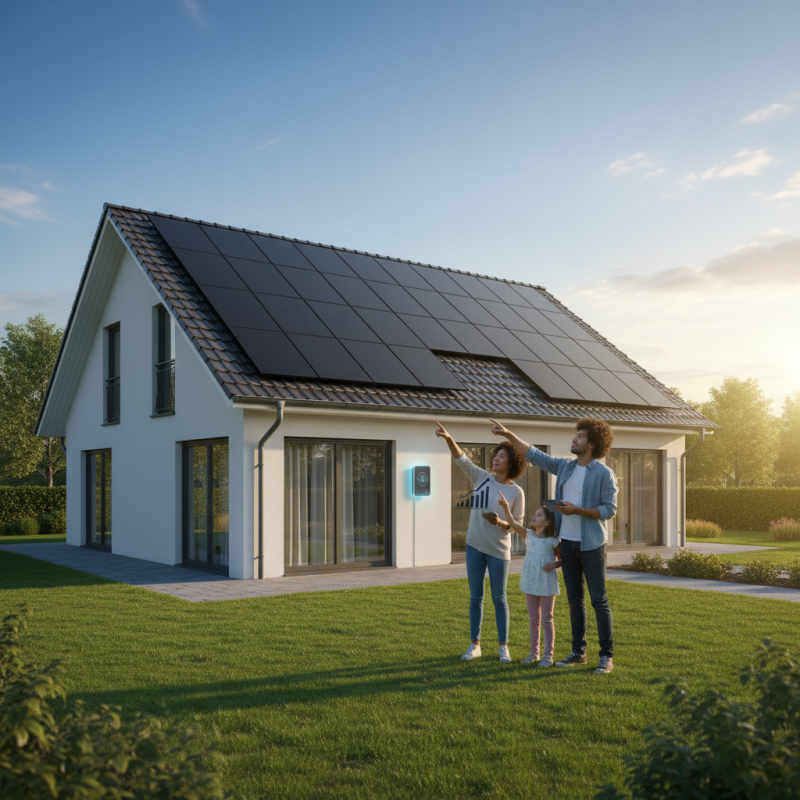
Factors Influencing the Cost of a 10kW Solar System in 2026
When looking at the 2026 cost of a 10kW solar system, several key factors come into play.
The average price per watt for solar installation is expected to fluctuate, typically ranging from $2.50 to $3.50.
This variation largely depends on local market conditions, state incentives, and federal tax credits.
For example, a comprehensive report from the Solar Energy Industries Association indicates that systems installed in areas with strong local incentives can be significantly cheaper.
Installation labor costs will also affect the total expenditure. Skilled labor is essential for optimal system performance and reliability.
In 2026, labor costs may rise due to increased demand for qualified technicians. A study from the National Renewable Energy Laboratory highlights that
50% of the total installation cost comes from labor, underscoring the importance of hiring experts.
The quality of solar panels plays a crucial role in determining long-term value. Higher-efficiency panels may cost more upfront but can lead to greater energy savings over time.
A report from EnergySage notes that premium panels can produce about 10-20% more energy compared to lower-tier options.
Buyers should weigh the initial costs against potential long-term savings. As the solar market evolves, understanding these factors will help consumers make informed decisions in 2026.
Average Price Range for 10kW Solar Systems by 2026
As we project into 2026, the cost of a 10kW solar system is expected to fall significantly. Currently, estimates suggest that the price for such systems could range from $15,000 to $25,000. This reduction is partly due to advancements in solar technology and increased competition within the market. According to the Solar Energy Industries Association (SEIA), the average cost of solar installations has decreased by over 70% since 2010. However, regional discrepancies may still affect prices, leading to variations based on local incentives and installation complexities.
Factors like installation labor costs and equipment quality also play a role in final cost calculations. While many homeowners seek to go solar for cost savings, the initial investment can be daunting. It’s essential to evaluate not only the upfront expenses but also long-term benefits. Financial incentives, like tax credits, can impact the overall price significantly. By 2026, these incentives may change, creating a need for continuous evaluation of financing options. Despite potential savings, some may find the transient nature of solar pricing unreliable or frustrating. This uncertainty highlights the importance of staying informed about market trends and local policies, ensuring wise investment decisions.
2026 10kW Solar System Cost - Average Price Range for 10kW Solar Systems by 2026
| Region |
Average Price ($) |
Installation Cost ($) |
Incentives ($) |
Net Cost ($) |
| California |
$25,000 |
$5,000 |
$7,000 |
$18,000 |
| Texas |
$22,000 |
$4,000 |
$6,000 |
$16,000 |
| Florida |
$23,500 |
$4,500 |
$5,500 |
$18,500 |
| New York |
$30,000 |
$6,000 |
$8,000 |
$22,000 |
| Illinois |
$27,000 |
$5,500 |
$7,500 |
$19,000 |
Potential Savings and Incentives for Solar System Installation
As homeowners consider installing a 10kW solar system in 2026, understanding
potential savings and incentives is crucial. A recent study by
the National Renewable Energy Laboratory highlights that residential solar installations can save
homeowners an average of 30% on their electricity bills.
This means significant savings over time, especially in regions with high electricity rates.
Incentive programs are also worth exploring. According to the Solar Energy Industries Association,
federal tax credits can provide a 26% rebate on the total cost of the system.
Some states offer additional incentives, such as property tax exemptions and rebates, increasing the overall
financial benefits. However, these incentives often change. Keeping updated with local regulations and requirements
is vital for maximizing savings.
Many homeowners may feel overwhelmed by upfront costs. A typical 10kW solar system can range
from $25,000 to $35,000 before any incentives.
It's important to analyze personal financial situations carefully. While financing options exist, resulting
long-term savings should justify the initial investment. Each scenario is unique, and reflecting on the
cost vs. benefits can lead to a more informed decision.
Long-term Financial Benefits of Investing in Solar Energy
Investing in a 10kW solar system for your home in 2026 can yield significant long-term financial benefits. This investment not only reduces monthly electricity bills but also adds value to your property. Homeowners often find that solar panels can increase real estate value by up to 4%. Such improvements can greatly enhance overall financial health over time.
The return on investment (ROI) for solar energy is compelling. Many find that their system pays for itself within a decade, depending on location and energy consumption. Incentives from local governments can further sweeten this deal. However, it's important to consider maintenance costs and potential system failures. Solar technology is improving, but not all installations are flawless. These variables require careful planning and realistic expectations.
Long-term savings also hinge on energy independence. By generating your power, you shield yourself from volatile utility prices. This predictability can aid in personal budgeting. Yet, some may find the upfront costs daunting. Understanding financing options is crucial. Exploring installations within your budget can pave the way to a sustainable energy future, despite initial hesitations.
2026 10kW Solar System Costs and Financial Benefits
This chart illustrates the estimated costs associated with a 10kW solar system in 2026, as well as the long-term financial benefits over a 25-year period. The primary expenses include installation, maintenance, and savings from electricity bills.
Future Trends in Solar Technology Impacting System Costs
As we look towards 2026, advancements in solar technology are set to significantly influence the cost of a 10kW solar system. According to industry reports from the International Energy Agency, the average cost of solar photovoltaic (PV) systems has dropped by over 80% since 2010. This trend is likely to continue, driven by innovations in efficiency and manufacturing processes. The cost reductions are creating opportunities for wider adoption, particularly for residential users.
One notable trend is the increase in bifacial solar panels, which can capture sunlight on both sides. These panels can boost energy production by up to 30%. Additionally, energy storage solutions, such as lithium-ion batteries, are becoming more affordable. Recent studies indicate that the storage costs are projected to decrease by about 50% by 2026, enhancing the overall value of solar installations. Many homeowners are increasingly integrating storage solutions, recognizing the potential for energy independence during peak usage times.
Despite these advancements, cost trends can be unpredictable. Economic factors like material prices and government policies may impact future pricing. Caution is advised when planning a system. As technology progresses, it’s essential to stay informed about emerging solutions that might affect purchasing decisions.
FAQS
: By 2026, the price is projected to range from $15,000 to $25,000.
Costs have dropped by over 70% since 2010, making solar more affordable.
Installation labor, equipment quality, and regional prices all influence final costs.
Homeowners can save an average of 30% on electricity bills with solar installations.
Yes, federal tax credits can provide a 26% rebate on system costs, along with state incentives.
Incentives often change and staying informed helps maximize financial savings.
While upfront costs may be high, long-term savings can justify the initial investment.
Innovations, like bifacial solar panels, are reducing costs and improving energy production.
Affordable storage options enhance the value of installations, offering energy independence.
Cost trends can be unpredictable; economic factors and policies can heavily impact pricing.
Conclusion
As the demand for renewable energy continues to rise, understanding "How much does a 10kW solar system cost in 2026?" becomes essential for potential buyers. Several factors will influence the cost of installing a 10kW solar system, including advancements in technology, panel efficiency, and installation expenses. By 2026, the average price range for such systems is expected to be competitive due to innovations and increased market competition.
Furthermore, homeowners can anticipate various savings and incentives that could offset the initial investment. Long-term financial benefits, such as reduced electricity bills and potential tax credits, will also play a significant role in making solar energy a viable option. As trends in solar technology continue to evolve, these developments will further impact system costs, making solar power an increasingly attractive investment for the future.

 RayBoost Solar