The solar energy market continues to evolve, with significant implications for homeowners considering solar installations. A crucial question arises: "How much does a 10kW solar system cost in 2026?" According to the Solar Energy Industries Association (SEIA), residential solar costs have decreased over 70% since 2010. However, future price trends may vary due to material costs and market dynamics.
As we look ahead to 2026, it is essential to recognize the factors that influence pricing. The Energy Information Administration (EIA) predicts that prices may stabilize, influenced by regulatory changes and technological advancements. Understanding these dynamics can help potential buyers make informed decisions about their investments in solar technology.
Amidst this evolving landscape, identifying strategies to lower costs becomes critical. Incentives, such as federal tax credits, play an essential role. However, these benefits can shift, affecting overall affordability. Homeowners must remain vigilant and consider various financing options to optimize their investment. The journey to solar sustainability is complex and requires careful planning and awareness.
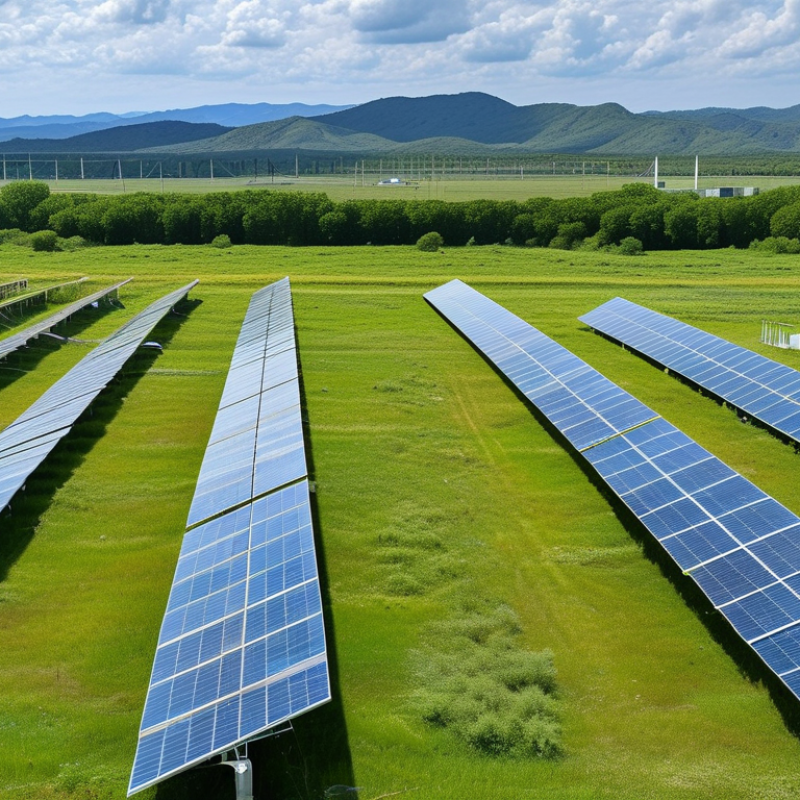
Overview of 10kW Solar System Costs in 2026
In 2026, the cost of a 10kW solar system is projected to range between
$22,000 to $34,000. This estimate incorporates various factors, including equipment prices, installation labor,
and regional incentives. Notably, the National Renewable Energy Laboratory (NREL) suggests that the average cost per watt will decline,
which may lead to lower overall costs. However, fluctuating material prices and labor shortages could impact pricing as well.
A 10kW system typically covers the energy needs of a medium-sized household. It can produce about
12,000 to 15,000 kWh annually, depending on location and sunlight exposure. In states with generous sunlight,
homeowners may see more significant savings. The cost of electricity is projected to rise, making solar a more viable long-term investment.
According to the Solar Energy Industries Association (SEIA), many homeowners can save up to
70% on their electricity bills using solar energy.
While initial costs may seem high, financing options are improving. Leasing and power purchase agreements provide alternatives to upfront payments.
Nevertheless, not everyone qualifies for these options. Research suggests that future legislation may enhance incentives, but uncertainties persist.
Homeowners should thoroughly assess their financial situation and explore various options to maximize savings when investing in solar energy.
Factors Influencing the Price of Solar Systems
When considering the cost of a 10kW solar system in 2026, several factors play a crucial role. Market trends can greatly influence prices. For instance, according to a report from the International Renewable Energy Agency, the global average cost of solar photovoltaics decreased by 82% from 2010 to 2019. However, fluctuations in raw material costs, like silicon, may reverse this trend. Prices can vary significantly based on these inputs.
Installation expenses are another vital component. Labor costs differ by region, affecting the total price of installation significantly. In the U.S., for example, labor represents about 30% of total solar costs, as stated by the National Renewable Energy Laboratory. Technological advancements can also impact pricing. Innovations can lead to more efficient panels and thus lower overall system costs. Yet, older systems might not offer the same benefits, leading to potential regrets regarding outdated technology.
Incentives and rebates can further complicate pricing dynamics. Government programs may provide financial support, yet changes in policies can create uncertainty. Some states offer generous incentives, while others fall short. A report from the Solar Energy Industries Association highlighted that the average price for a residential solar system was around $2.81 per watt in early 2023. In 2026, understanding these variables will be essential for making informed decisions about solar investments.
Comparing Solar System Prices: Installation and Equipment Costs
When analyzing the costs of a 10kW solar system in 2026, it's crucial to look at installation and equipment expenses. Based on industry reports, installation costs are projected to range from $15,000 to $25,000. These estimates depend on factors like location and labor rates. For example, urban areas usually face higher costs due to labor and permits.
On the equipment side, the solar panels themselves constitute a significant expense. High-efficiency modules can cost between $0.60 and $1.20 per watt. This means the panels alone could cost between $6,000 and $12,000 for a 10kW system. Leveraging incentives and rebates can help reduce these numbers. Reports indicate that over 80% of homeowners are unaware of state and federal incentives that may cover a portion of these costs.
Adopting energy storage could further influence prices. Battery systems, for instance, add about $7,000 to $15,000 to the total cost. Homeowners should weigh whether this investment aligns with their energy needs and budget. Although transitioning to solar shows promise, fluctuations in material costs and installation demand merit careful planning and consideration.
Tips for Reducing Costs When Installing a 10kW Solar System
Installing a 10kW solar system can be a substantial investment. In 2026, the average cost is projected to be around $25,000 to $35,000. However, there are effective strategies to minimize expenses. One approach involves comparing quotes from multiple installers. Often, prices can vary significantly based on location and competition. A thorough review of these options can lead to considerable savings.
Utilizing federal and state incentives can also notably reduce costs. The U.S. government offers a solar investment tax credit (ITC), which allows homeowners to deduct a percentage of their solar installation costs from their federal taxes. This percentage has been reported to stand at about 26% in 2026. Additional state-level incentives are available in many regions, which can further boost savings. Ensure you research local programs.
Another cost-reduction method is to choose the right financing. Many homeowners opt for solar loans or leases. These can result in lower upfront costs. However, it’s crucial to analyze the long-term financial impacts. In some cases, a higher monthly payment might lead to lower overall savings. Balancing initial costs with future savings requires careful thought. By approaching the installation with these considerations in mind, homeowners can better navigate their solar investment.
Financing Options and Incentives for Solar Energy in 2026
In 2026, solar energy financing options have expanded significantly. Homeowners can now choose from various plans. For instance, many states offer solar rebates. These rebates can reduce installation costs by over 20%. Moreover, the federal tax credit remains a vital incentive. As of 2026, it stands at 26% of the system's total cost. This credit can save homeowners thousands of dollars upfront.
Solar loans are another popular option. Many financial institutions provide loans with low interest rates. Data shows that the average loan term is around 10-20 years. This allows homeowners to spread costs over time. Even lease agreements are available. With leases, users pay a fixed monthly rate, avoiding hefty upfront fees. However, some find these arrangements lack flexibility.
Utility companies are also stepping in. Many offer programs that help finance solar installations. They sometimes buy excess energy generated, which can lead to additional savings. However, understanding these contracts is essential. Homeowners should be cautious about terms that may seem beneficial but complicate ownership. As the market evolves, exploring all available options is crucial for finding the best fit for solar energy investment.
Conclusion
In 2026, understanding "How much does a 10kW solar system cost in 2026?" becomes essential for homeowners considering solar energy. The costs of a 10kW solar system are influenced by several factors such as equipment quality, installation complexity, and regional market trends. Notably, prices for installation and equipment are expected to fluctuate, making it crucial for potential buyers to stay informed.
To mitigate expenses when installing a 10kW solar system, consumers can explore various tips, including comparing quotes from different installers and utilizing available financing options and incentives. By leveraging these strategies, homeowners can significantly lower their upfront costs while contributing to a sustainable energy future. Understanding these elements will help in making an informed decision regarding solar energy investments in 2026.

 RayBoost Solar